North Goa vs South Goa
So when traveller are planning this sort of coastal escape to India’s super recognizable tropical pocket, there’s this big, sort of repeating, real-life question people end up asking almost immediately: North Goa vs South Goa. And yes, they do share one long Arabian Sea coastline, but honestly the vibe feels like it’s coming from two separate worlds. Knowing what’s different about each side, the mood, and those smaller pockets of areas inside the regions, kind of matters a lot if traveller want an itinerary that actually fits what traveller are chasing.
1. At a Glance: Understanding the Great Coastal Divide
Goa is split up by a network of rivers, and that split basically sets the stage, historically and geographically, for two separate zones.
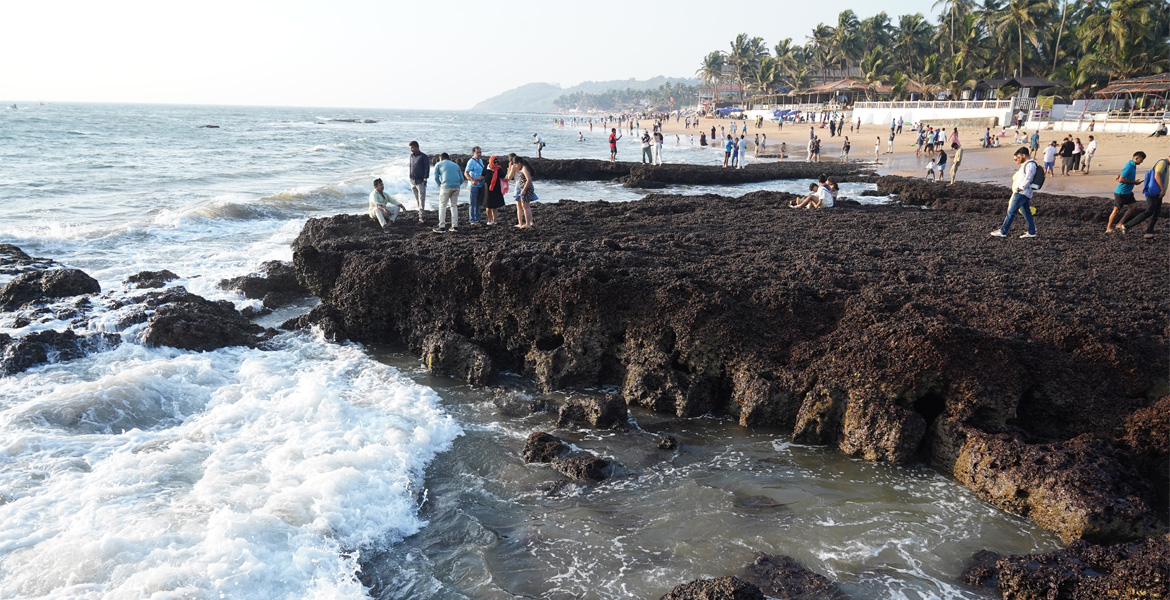
North Goa is the high-voltage side of things. It’s known for lively beach clubs, thicker commercial lanes, crowded bazaars, and those old coastal fortifications that look extra dramatic at sunset. Then travellers have an actual nightlife engine, always running. If travellers want people, food experiments, and an itinerary that stays busy, this is usually the better match.
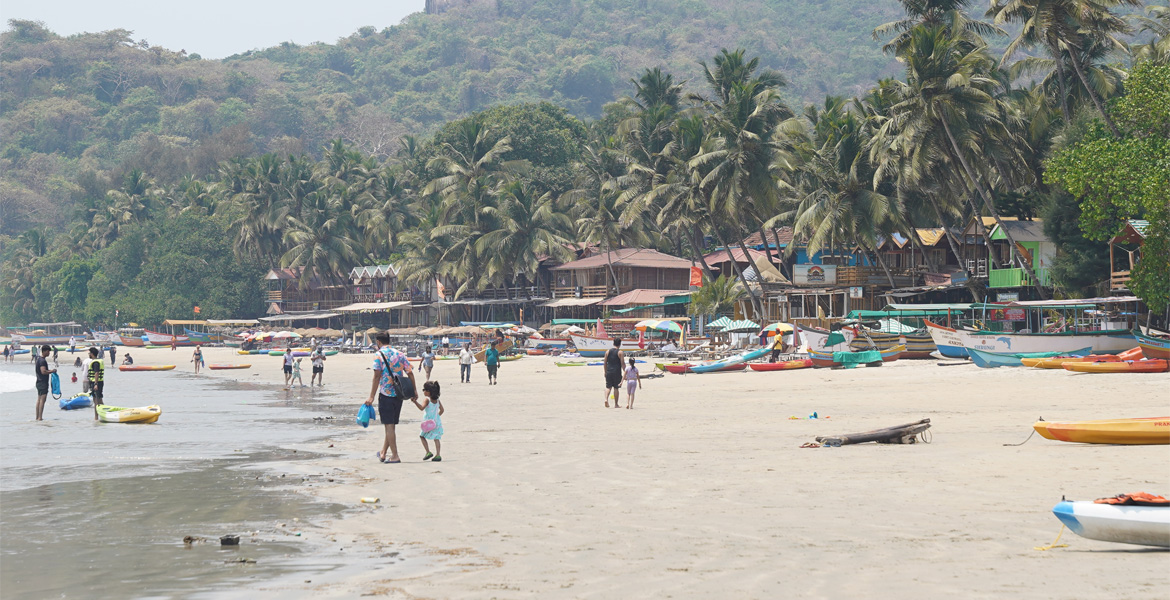
South Goa feels more like the “slow it down” philosophy. Here traveller will find broader stretches of sand, roomy luxury legacy resorts, Portuguese-style heritage mansions, and calmer coastal villages. It’s for travellers who care about privacy, wellness, and relaxing without the constant rush.
2. Deep Dive: North Goa’s Vibrant Ecosystem
North Goa gets the most spotlights in films and glossy travel reels. It runs from the capital area of Panaji toward Maharashtra, and along the way it wraps up legendary beaches plus some creative inland zones.
The Atmosphere and Energy
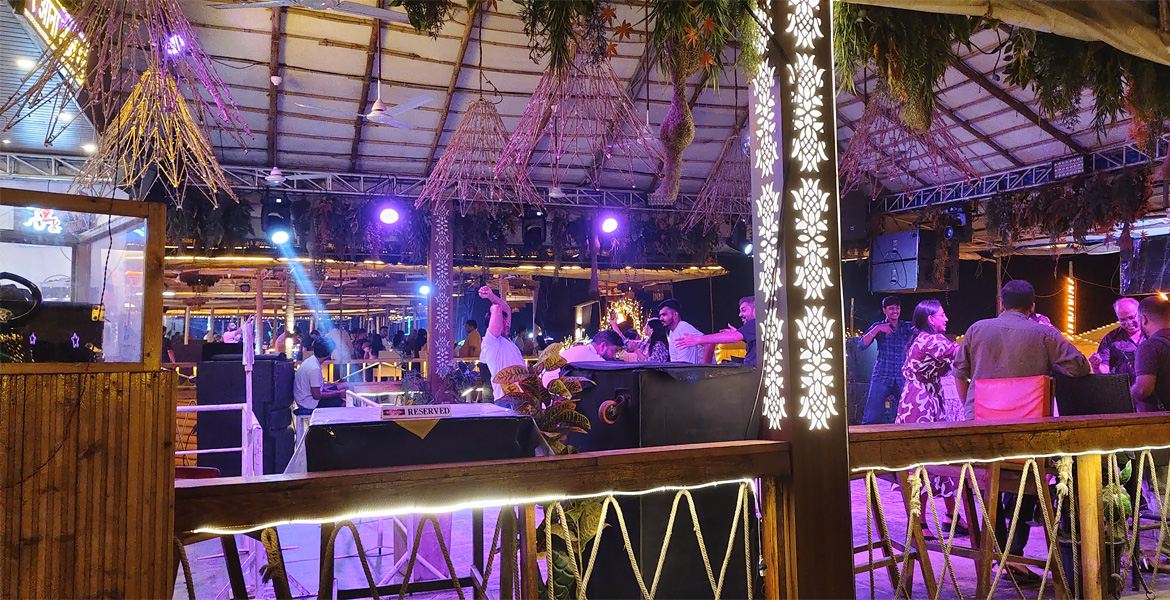
The energy is quick, social, and pretty much always on. Mornings slide from beach-shack chilling straight into water sports and then it flips into sunset hangs at Cliffside cafes. Later it becomes late-night dancing, like, the kind traveller only see in well-known party scenes and clubs.
Key Hotspots and Micro-Regions
- Baga and Calangute: Together these Baga and Calangute beaches are basically the commercial tourism heartbeat. Traveller get nonstop lines of beach shacks, vendor stalls that never fully disappear, and high-energy water sports like parasailing, jet skiing, and more.
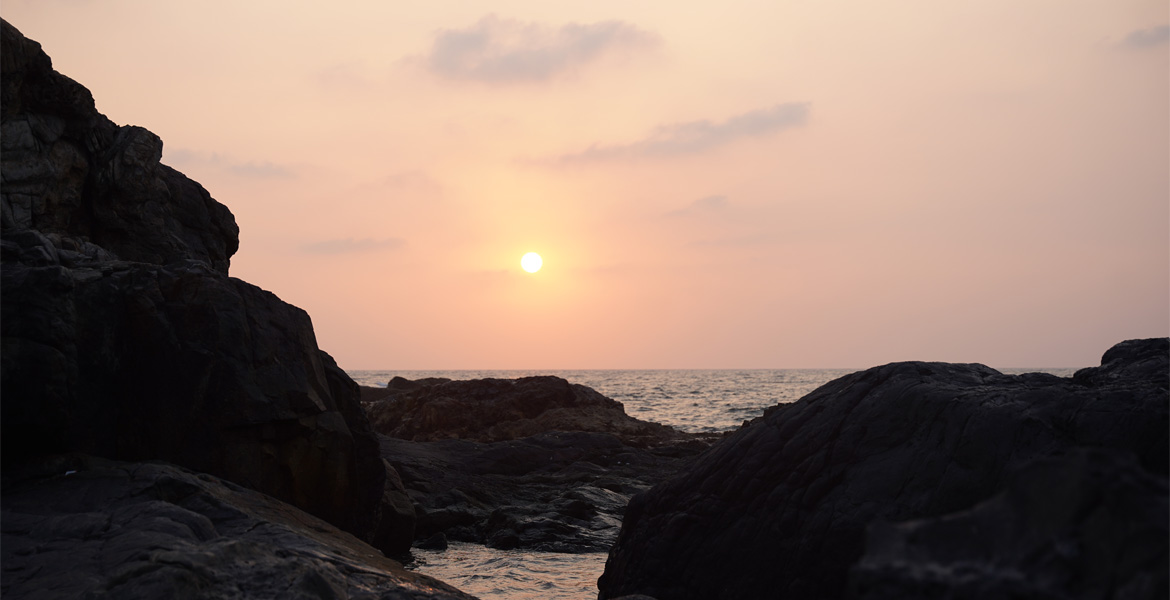
- Anjuna and Vagator: These are known for sharp red cliffs, rocky little coves, and alternative communities. Anjuna is the one people mention for the Wednesday Flea Market. Vagator works like a gathering anchor, with sunset meetups, plus techno-leaning nightlife that keeps things humming.
- Assagao and Siolim: A bit more inland, Assagao and Siolim are greener and feel more elevated. They’ve turned into lifestyle enclaves with boutique shopping, art corners, and some of the country’s best experimental fine-dining spots.
- Morjim, Ashwem, and Mandrem: Moving further north, these beaches feel a little more polished and less packed. Morjim is famous as a nesting zone for Olive Ridley turtles, and it draws travellers who want boutique luxury, but without the heavy crowd pressure traveller associate with central Baga.
- Arambol: This one is a bohemian nook favoured by long-stay travellers, musicians, and yoga folks. It also has a freshwater lake where it meets the sea, which honestly makes the landscape feel extra special.
Cultural and Historical Landmarks
And it’s not only about sand. North Goa also carries real historical depth. Fort Aguada, a 17th-century Portuguese fortress with an ancient lighthouse, gives broad views over Sinquerim Beach. Plus, traces of colonial-era architecture show up along roads and pathways, mixing into modern creative studios like they were always part of the same story.
3. Deep Dive: South Goa’s Tranquil Sanctuary
South Goa stretches south from Bogmalo down toward the Karnataka border, and it runs on a totally different rhythm—more room, more quiet, and a stronger pull toward nature.
The Atmosphere and Energy
Here the pace is almost meditative. Roads feel calmer, tree cover is thick, and the coast line opens up with wide, spacious stretches. There’s less commercial mess, so the landscape—coconut palms, winding backwaters, and spotless shorelines—becomes the main character.
Key Hotspots and Micro-Regions
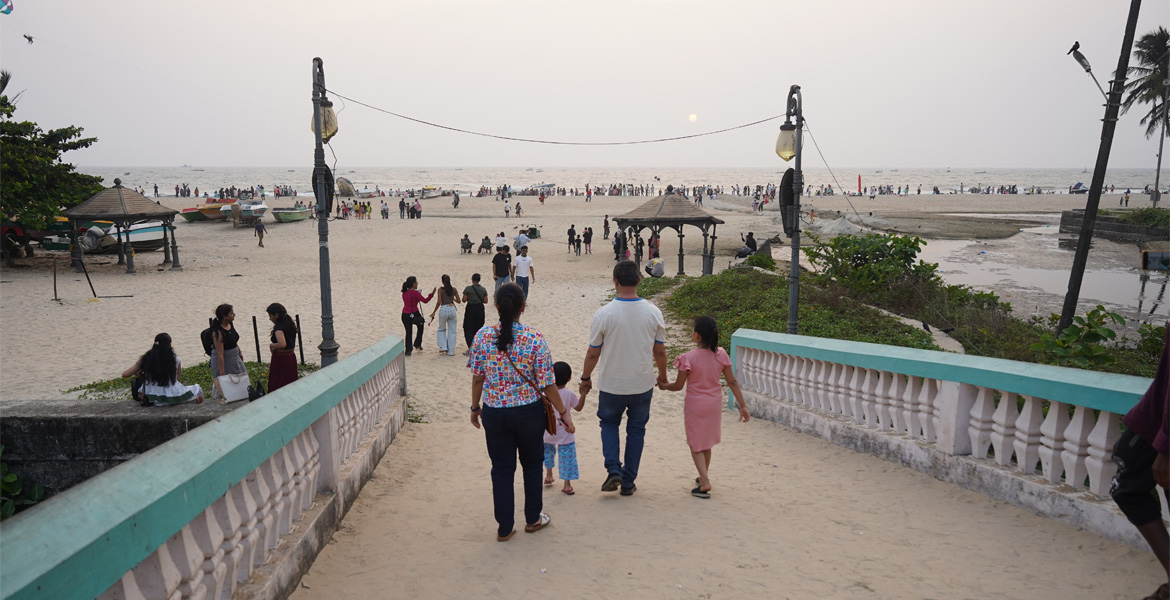
- Colva and Benaulim: These popular southern beaches have wide golden sands, family-friendly infrastructure, and a range of mid-to-high tier stays without that intense party noise traveller often get in the north.
- Varca and Cavelossim: Where traveller will find some of the state’s most exclusive five-star international resorts and gated properties. The beaches are usually very clean, noticeably quieter, and perfect for long, uninterrupted coastal walks.
- Palolem and Agonda: In the Deep South, these crescent shaped bays are known for dramatic scenery. Agonda is remarkably peaceful with low crowds, and turtles often come to hatch. Palolem has pretty island outcrops, calm swimming waters, and small-scale beach huts that feel charming instead of crowded.
Cultural and Historical Landmarks
South Goa is strongly tied to heritage tourism. Traveller can explore big historic sites like the Se Cathedral and the Basilica of Bom Jesus in Old Goa. Then there are deeper south highlights too, like the Rachol Seminary, and the Indo-Portuguese ancestral mansions in Loutolim. These places give traveller a window into the colonial past, with preserved antique furniture and traditional courtyards that feel lived-in, not staged.
4. Head-to-Head Comparison: Key Travel Factors
Primary Vibe
- North Goa: Energetic, social, fast paced
- South Goa: Calm, scenic, relaxation-focused
Beach Experience
- North Goa: Lively, crowded, heavily commercialized shacks
- South Goa: Wide, pristine, uncrowned and peaceful
Nightlife & Parties
- North Goa: High-energy clubs, beach parties, live music venues
- South Goa: Quiet lounge evenings, acoustic sessions, early closures
Culinary Scene
- North Goa: Global fusion, trendy cafes, experimental fine dining
- South Goa: Fresh seafood, traditional Goan thalis, resort dining
Accommodation
- North Goa: Hostels, boutique villas, mid-range hotels
- South Goa: Sprawling 5-star luxury resorts, private villas
Water Sports & Adventure
- North Goa: Abundant (parasailing, jet-skiing, banana boats)
- South Goa: Minimal to none, more nature walks and boat trips
5. Gastronomy and Nightlife: Flavour Versus Frenzy
The Culinary Landscape
- North Goa feels like a melting pot for international gastronomy. Traveller can move from authentic Goan fish curry rice to Israeli, Italian, continental, and pan-Asian cuisines in a short hop distance. Areas like Assagao and Candolim basically host concept restaurants managed by well-known chefs.
- South Goa leans more toward freshness and authenticity, not so much the experimental variety. The dining rhythm here is tied to the daily catch from local fishermen. Coastal shacks and heritage restaurants dish out time tested favourites like Goan-Prawn Curry, Recheado masala fish, and classic sweets such as Bebinca, served in a way that’s slow and easy.
The Entertainment Divide
Nightlife is probably the biggest contrast between the two sides.
- North Goa wins on the nocturnal game. Famous venues around Baga, Anjuna, and Vagator bring in world-class DJs, energetic beach raves, and multi-level nightclubs that keep going until dawn.
- South Goa keeps a subdued night-time vibe. Most of the entertainment stays within upscale resort lounges, quiet acoustic performances at a few beach shacks, or smaller local scenes like the Silent Noise headphone party in Palolem. If travellers want high tempo clubbing, the south is mostly inactive after 10:00 PM.
6. Budget Considerations and Travel Costs
Financial planning for a Goan holiday kind of shifts depending on which zone traveller pick, but honestly both regions can work with flexible budgets if traveller plan a bit, like not last minute or anything.
- Budget and Backpacking: North Goa is usually more hospitable for budget-minded travellers and backpacking folks. Travellers get a lot of low-cost hostels, simple guesthouses, and those cheap-to-bite street snacks that just keep appearing everywhere. Still, daily spending can rise fast if travellers are the type who keeps hopping into expensive nightlife, pay-for-entry clubs, or pricey motorized water sports.
- Luxury and Premium Stays: North Goa also has upscale boutique stays around places like Morjim, but South Goa is more traditionally tied to big, expansive luxury resort chains. In Cavelossim and Varca, guests often pay extra for larger property layout, easier private beach access, and a sense of isolation that feels very deliberate. Oddly enough, for travellers who want mid-range comfort and not the full luxury resort vibe, South Goa day-to-day costs can sometimes even out, because there are fewer constant “temptations” that quietly add extra spend every day.
7. Tailoring the Choice: Who Should Visit Which Region?
- First-Time Visitors: North Goa is often suggested for first-timers because its attractions, markets, and social focal points are pretty close together, so it feels like a full classic Goan tour without too much travel hassle.
- Friend Groups and Bachelor Parties: If traveller is rolling with a crew, North Goa is usually the main pick. Think lively beach club energy, nightlife lanes that do not really slow down, and villa rentals that work well for groups.
- Families with Children: South Goa tends to fit families better. The waters are calmer and generally shallower, crowd levels stay lower, and resort campuses can feel roomy so traveller get a calmer rhythm away from the loud party crowd. (And yeah, families who still prefer North Goa often gravitate toward quieter corners like Candolim or Sinquerim).
- Couples and Honeymooners: For romance, South Goa is a strong contender. It leans into quieter, intimate sunsets on uncrowned beaches and a higher degree of privacy. Still, couples who actually like evening cafe-hopping, plus live music nights sometimes choose North Goa, especially its boutique-style lifestyle pockets.
8. Combining Both Worlds
In the end, neither North nor South Goa is “better” in a factual way. They just suit different travel moods. If travellers are doing a longer itinerary, say six days or more, a hybrid plan is becoming more popular. Traveller can start by spending the first half in North Goa—cafes, craft-like markets, and that social pulse—then ease south for a slower wellness reset, which ends up feeling like a complete, balanced way to experience India’s top coastal destination.