Email Us

Bookings and Support


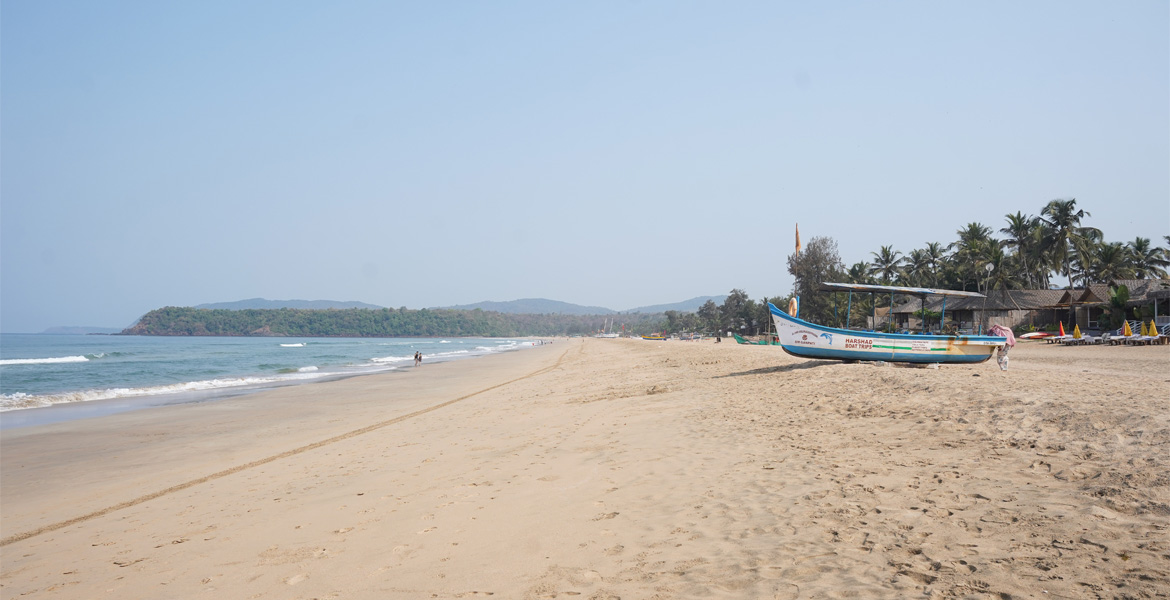
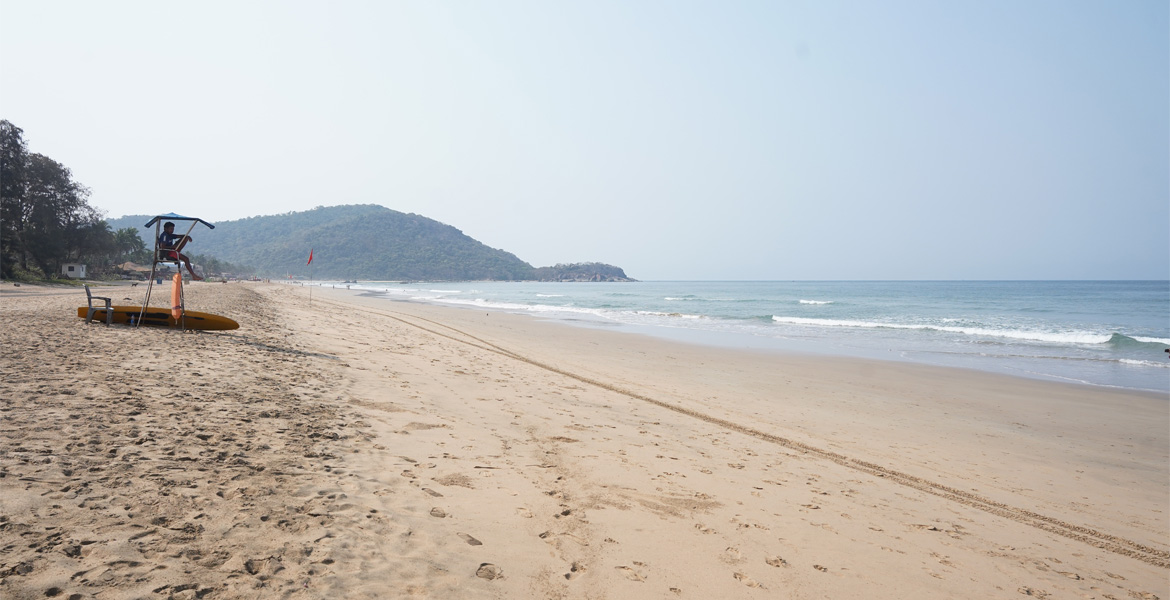
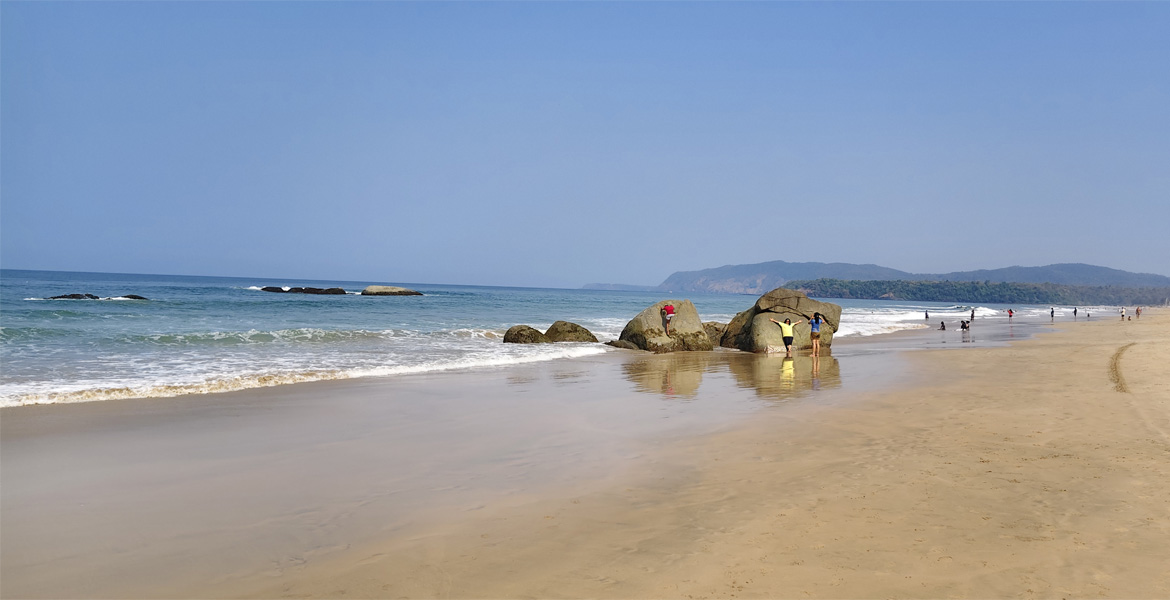
Agonda Beach sits in the calmer, southern bit of Goa and it still feels like one of those places traveller come to when traveller are tired of the nonstop hustle from the usual tourist spots. It’s about a three-kilometre stretch of pale, white sand, with palm trees and casuarina groves doing that natural framing, so the whole area stays serene. And yeah, compared with the busier beaches up north, Agonda keeps more of a laid-back, sus egad kind of mood, which makes it a nice little reset zone for relaxation, wellness and that simpler, real connection with the Arabian Sea.
What really makes Agonda stand out is how it doesn’t try too hard. The vibe is quiet, almost gentle and if traveller like wide open coastlines with few people around, this is a solid choice over the crowd scenes traveller will find in North Goa. Traveller can hear the ocean doing its steady rhythm, plus the hills in the background look dramatic in a way that just slows traveller down. Morning yoga on the sand is a thing, and so are slow sunset walks where traveller doesn’t feel rushed, like the place itself is guiding traveller.
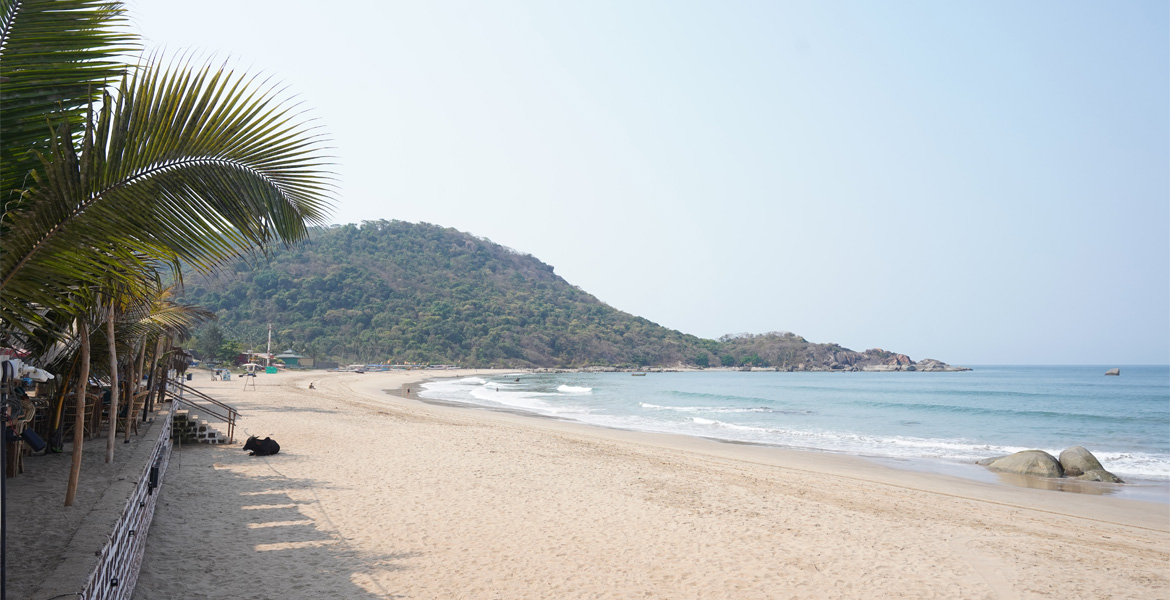
Even though the beach is basically the main character here, the surrounding area gives traveller more options so traveller don’t feel stuck doing only one thing.
Local fishermen often run early boat trips, so traveller can watch dolphins out in their own environment. The water tends to be calmer early in the day and the views along the coast are really pretty too.
At the northern end, there are quieter backwaters, and that’s where traveller can do a more peaceful kind of exploring. If travellers are into bird watching, there are small-scale tours traveller can join; they’re a good way to catch a glimpse of the local ecosystem without the heavy tourist vibe.
If traveller wants more contexts, Cabo de Rama Fort is not far and it gives traveller a bold setting with deep cultural links to the Hindu epic, the Ramayana. Also, Cola Beach is a short drive away and it has this lagoon-style mood where freshwater blends into the sea, with dense greenery around it.
Agonda itself is more for swimming, lounging and chilling. Still, nearby areas like Palolem and some adjacent coves can be a better match if traveller wants seasonal options—things like kayaking or boat cruises. Usually, the best time is between October and April, when conditions feel more reliable.
The culinary scene in Agonda reflects its laid-back nature, focusing on fresh, local ingredients and varied international cuisines. Dining options are often situated directly on the beachfront, allowing for seamless ocean views during meals.
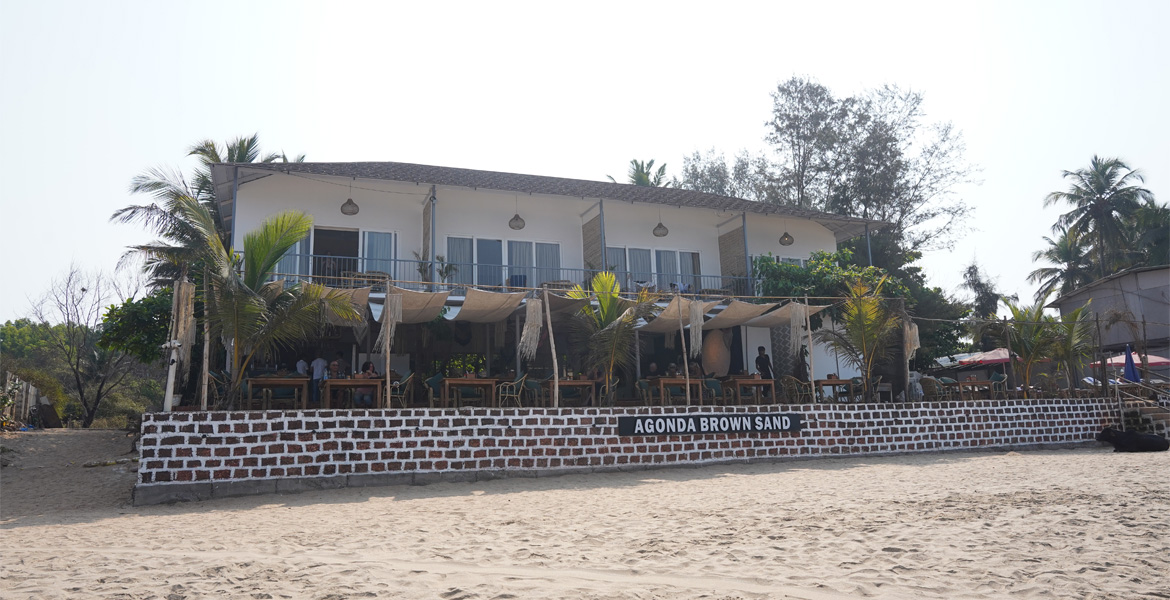
Food here matches the overall tone: relaxed, ingredient-forward and not overly complicated. Many places are set right along the beachfront, so travellers are basically eating with ocean views without effort.
Fatima’s Corner is a commonly mentioned stop, and for a reason. It has dependable variety, from Goan-style fish curry to international favourites like pancakes and momos. Treetop Tava also gets attention, mostly because it sits with an elevated view from the north end, so the meal feels a little more scenic. Sea Breeze is another option, especially if travellers want a coastal-inspired menu, with traditional fish curry as a highlight.
Agonda leans into low-key evenings, kind of more sophisticated and calm. Leopard Valley, which is in a more forested zone nearby, tends to be one of the main spots for electronic music and organized dance events. For something quieter, people also go to beach-facing shacks where traveller can hear local spirits with international tracks, but it stays respectful of the area’s tranquil reputation.
Accommodation in Agonda has grown, but it hasn’t completely changed the character. Traveller can find budget-friendly beach huts, plus more private, modern villa options.
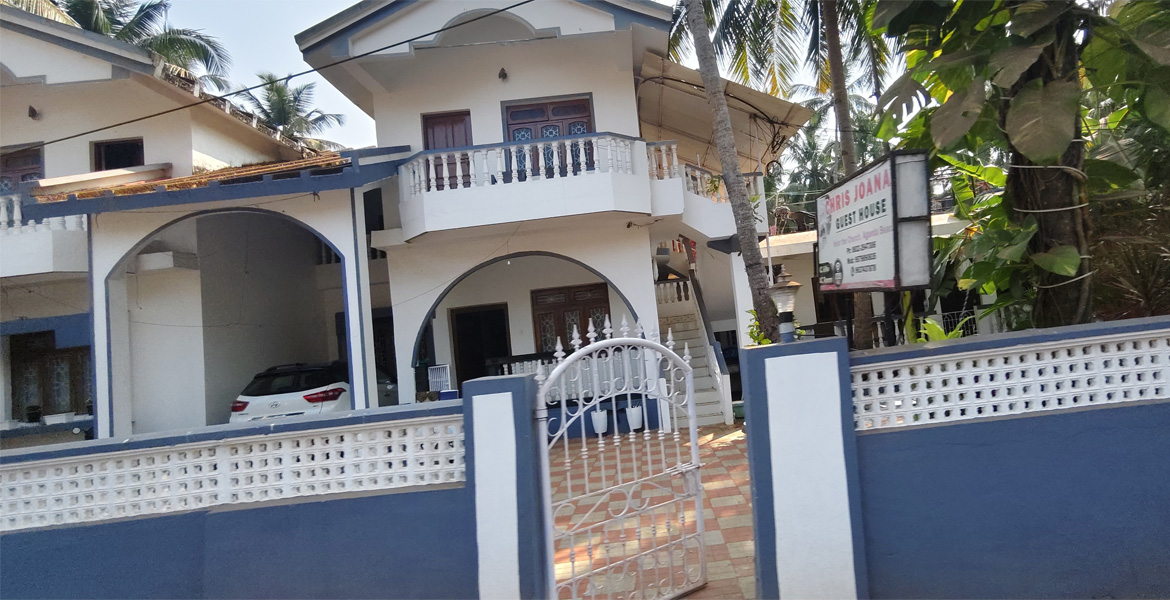
The wooden beach huts are still the choice for many visitors. They give traveller direct access to the shore, so traveller stay feels natural and immersive, not separated from the landscape. Places like DucknChill and various smaller local shacks (names vary) are known for these intimate, eco-conscious setups.
If traveller are traveling with a group, or traveller simply want more privacy, there are modern 1BHK and 3BHK villas around too. A lot of them are tucked away in palm groves, or up along the rolling Palolem–Agonda road hills. Typical amenities traveller will see include fast Wi-Fi, a dedicated work space, private pools and small kitchenettes. So it works both for longer stays and for people doing a kind of workation.
Staying along the Palolem–Agonda road makes it easier to shift between nearby beaches in South Goa. So traveller can keep the calm of Agonda while still being able to step into Palolem’s slightly more active mood when traveller wants to.
To get the most out of Agonda, a few planning points help.
The sweet spot is October through April. Weather stays generally comfortable and most beach shacks and services are running properly.
Renting a scooter or motorbike is usually the most convenient way to move around. It lets traveller do independent trips to other beaches, viewpoints and local markets. If travellers don’t want to ride traveller self, local rickshaws are an affordable and efficient alternative.
Even though Agonda feels quiet, services are there. Traveller will find local dental and medical clinics, plus general health centres on Canacona, which helps a lot if travellers are staying longer and want peace of mind.
Agonda Beach is one of those essential South Goa stops for the mindful traveller—seclusion plus natural beauty, with hospitality that’s modern but not intrusive. It’s a place that encourages slowing down, so it can become a balanced coastal holiday without the usual rush.