
Email Us

Bookings and Support


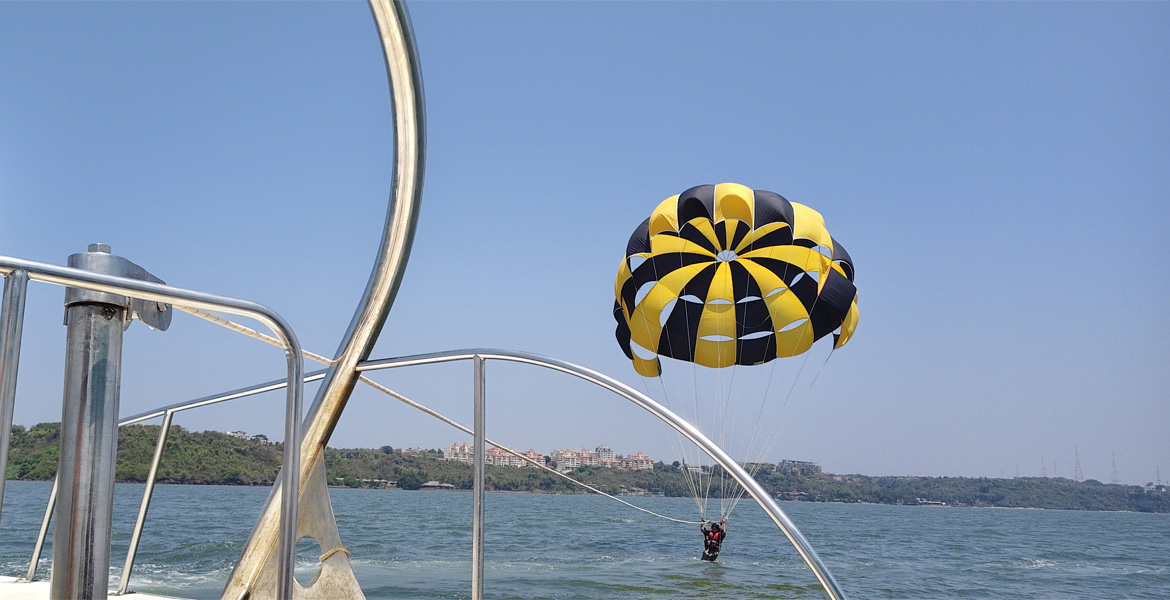
Goa is kind of like a crown jewel in the whole beach world, with sun-kissed shorelines, loud culture, and a super-rich marine life. Beyond the chill beach shacks and that nonstop night buzz, the place also turns into a major centre for fast, high-energy water sports. And yeah, among all those sea activities, parasailing in Goa really feels like the one “must do” thing. People also call it para-ascending, and it really connects sky and sea in a way that’s hard to explain. From up there travellers get this bird’s-eye view of the Arabian Sea coastline that just stays with travellers.
If traveller’s the type who wants adrenaline but also wants those peaceful-looking visuals, riding high above the wave’s gives travellers an unforgettable angle, like the ocean is laid out in front of travellers. In this guide, travellers will find what most traveller’s actually need, like where to go in Goa for parasailing, typical pricing, safety guidelines, and the best time windows when operators tend to run smoothly.
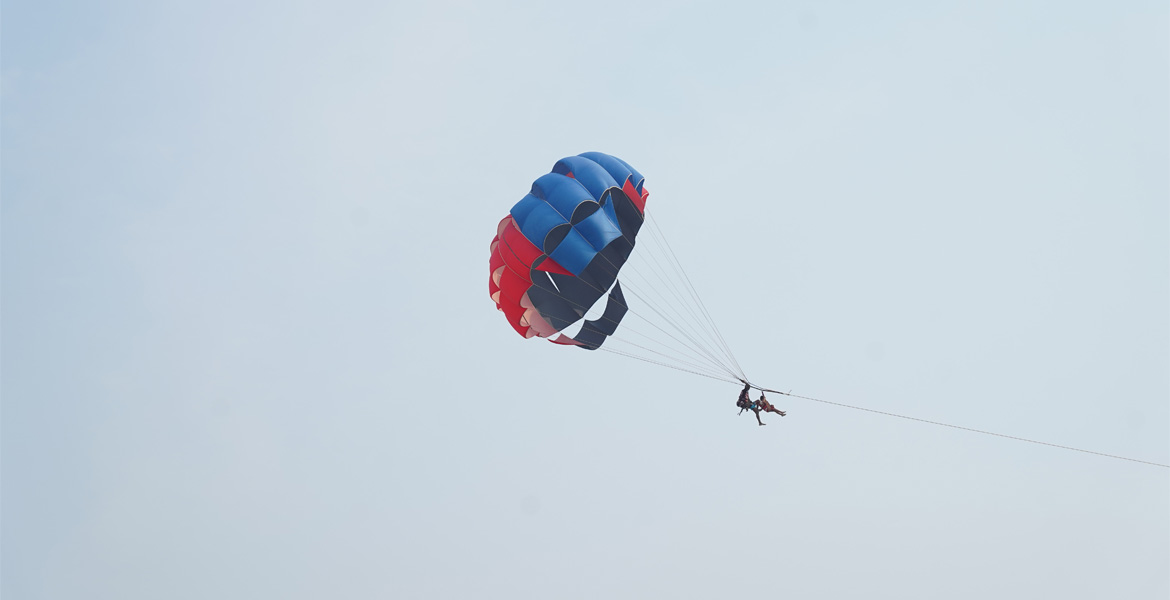
Parasailing is basically a water-to-sky setup, using two main pieces: a canopy wing (that parasail fabric) and a fast speedboat. The rider wears a harness, and that harness is attached to a tow rope—usually about 200 to 300 feet long, which gets fixed to the back side of the motorboat.
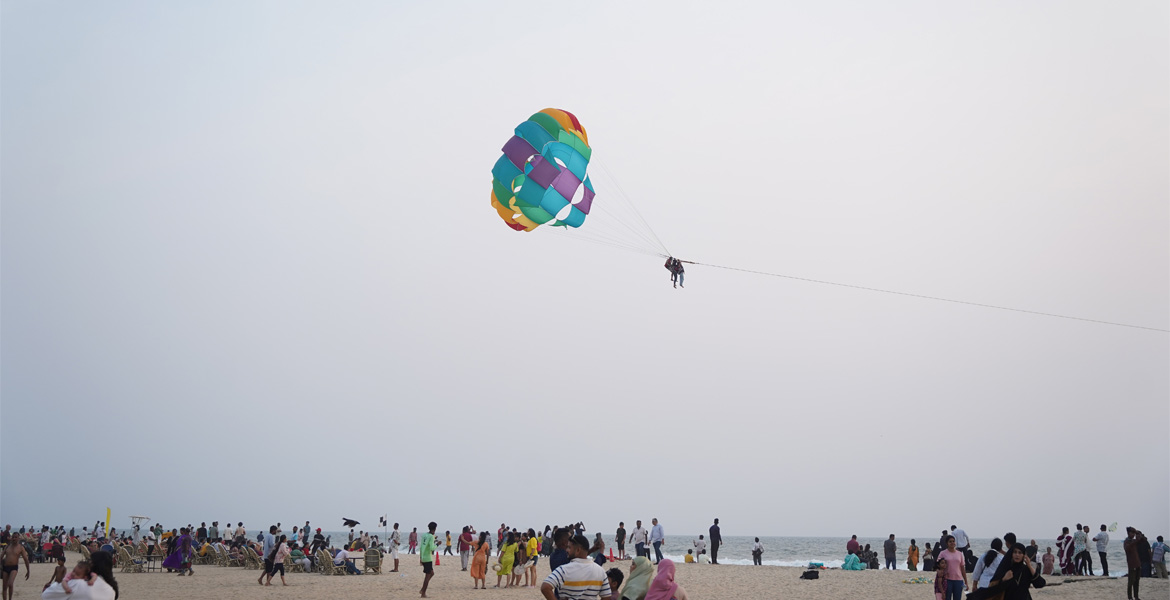
As the boat picks up speed across open water, the canopy catches the airflow, lifting the rider in a steady, smooth way. Riders commonly reach heights around 300 to 320 feet above sea level, so it feels like traveller’s floating. From that altitude travellers can take in golden sand stretches, coastal dunes that roll out like waves, and shoreline landmarks that look almost painted. Sometimes the view is so wide it feels unreal, like traveller’s watching a postcard become real.
Goa’s coastline has multiple spots where water sports are usually coordinated, especially around the North Goa and South Goa regions. Both areas are great, but the scenery and the overall vibe can feel different depending on where travellers launch from.
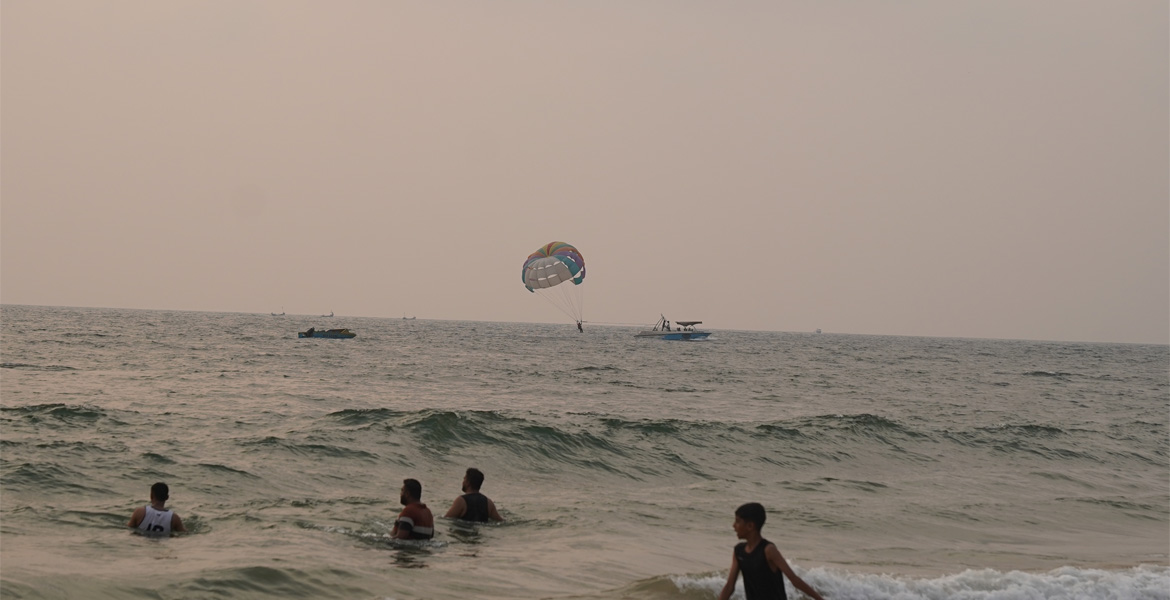
Calangute Beach is often described as a kind of activity capital, lots happening, and open skies that help with stable winds. It’s commonly recommended for first-timers because operations tend to be smooth and predictable. While travellers’ up in the air, travellers can sometimes see Fort Aguada in the distance, which adds a historical touch to the whole trip.
Right next to Calangute, Baga Beach is more direct for thrill-seekers and people who want that energetic atmosphere. Launching off Baga’s shore is extremely popular and travellers will notice operators dealing with bigger crowds, so the process can feel fast, but equipment is generally kept in working order.
Candolim is a little more laid-back compared to Baga. Travellers will see more dunes with a cleaner, textured look and the flight path can feel aesthetically balanced. The contrast of green vegetation, bright golden sand, and deep blue water makes the airborne experience feel extra vivid.
For anyone who wants a noticeably different view, Anjuna Beach delivers. When travellers soar above it, travellers get sightlines to rocky coastline sections and older, distinctive rock formations that are typical for the Anjuna side of Goa. It’s not the same flat-sand scene travellers see elsewhere, so the whole perspective is more dramatic.
South Goa travellers’ often choose Majorda and Dona Paula for quieter moments. The waters here tend to be calmer, crowd levels usually feel lower, and views become more relaxed—like travellers can spot local landmarks, distant heritage-style structures, and gentle river-to-sea meeting points in the background.
If traveller’s planning a trip, it helps to understand the usual commercial setup, since pricing and schedules can vary slightly between providers. Still, most operators follow common local association standards so the range is fairly consistent.
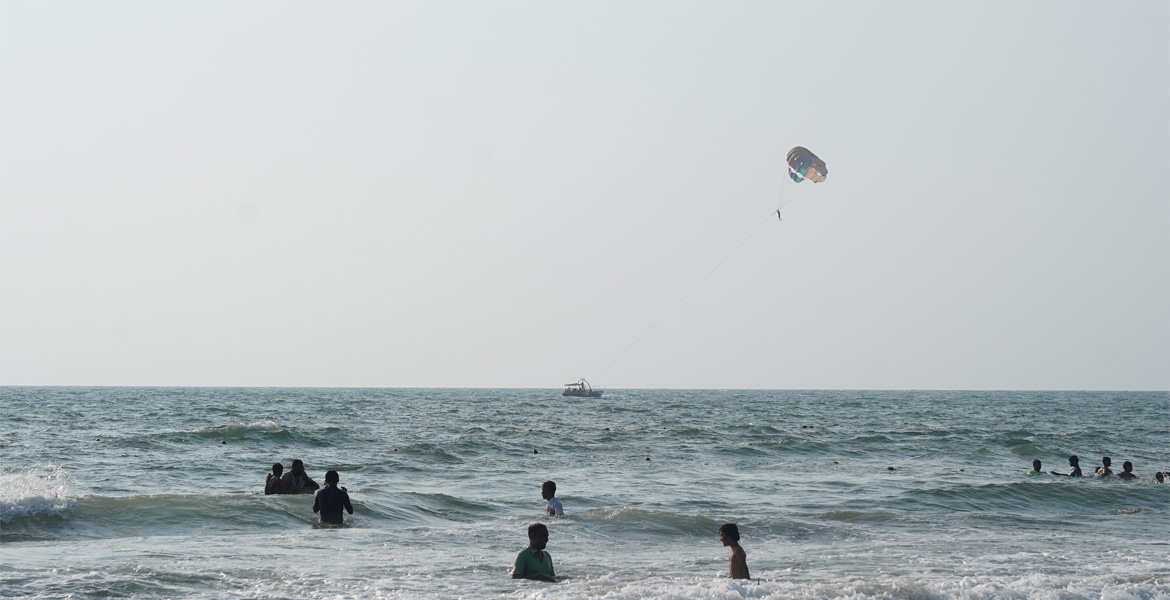
Parasailing activities are generally available daily, from 10:00 AM to 5:00 PM. That said, operators only run when wind conditions are favourable and visibility on the water looks good, so day-to-day timing can shift depending on weather.
Even though modern commercial parasailing is built with safety in mind, operators still get strict about physical, and weather related rules to reduce risk.
How well and how safe it feels on the coast really depends on seasonal meteorology. Travellers know that sky mood thing.
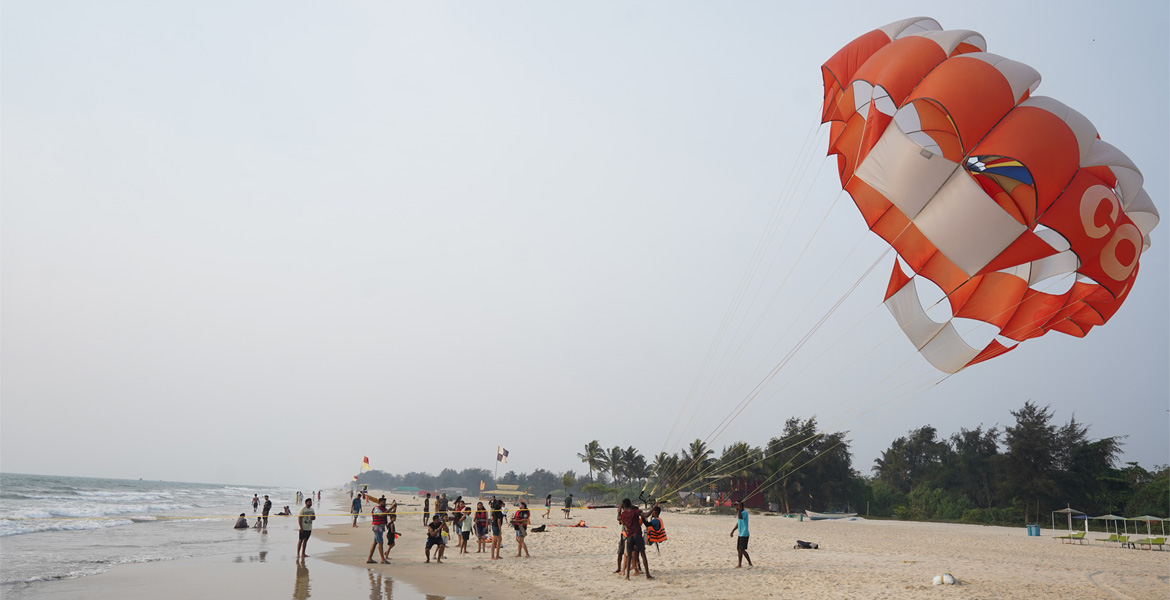
Doing aerial water sports off the western coast of India can totally turn a normal beach vacation into something more like a real adventure. With that sky-high rush mixed with the dramatic coastal scenery, parasailing feels like a kind of roaming escape. Whether traveller’s taking off from the lively sands of Calangute or from the quieter stretch of South Goa, once someone is clipped into a harness, the experience tends to stick with them, like a souvenir that won’t fade.