Email Us

Bookings and Support


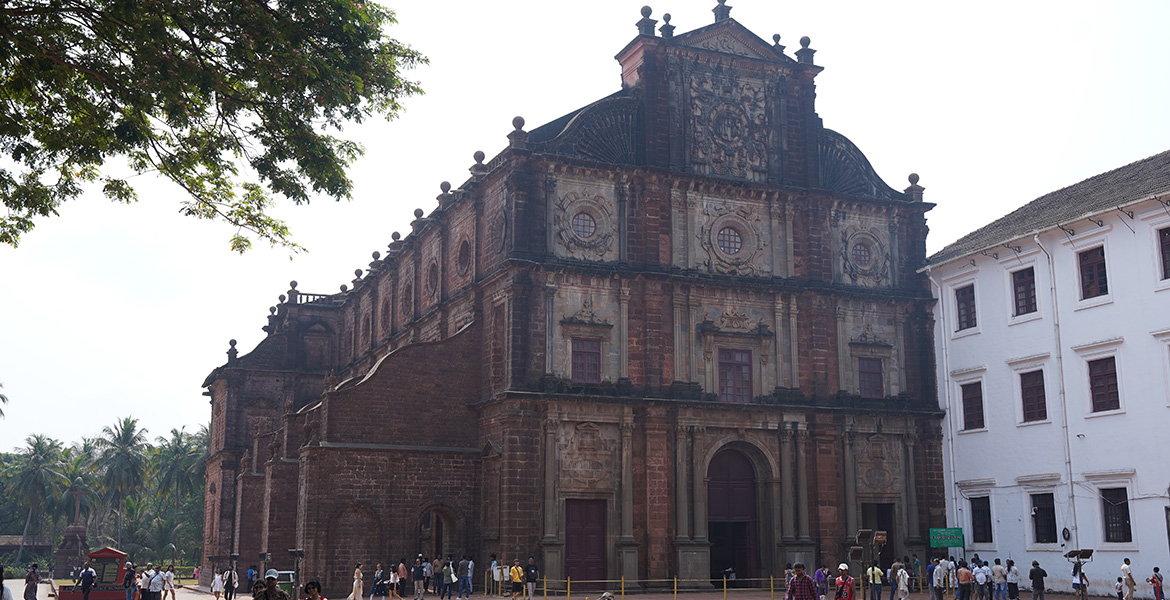
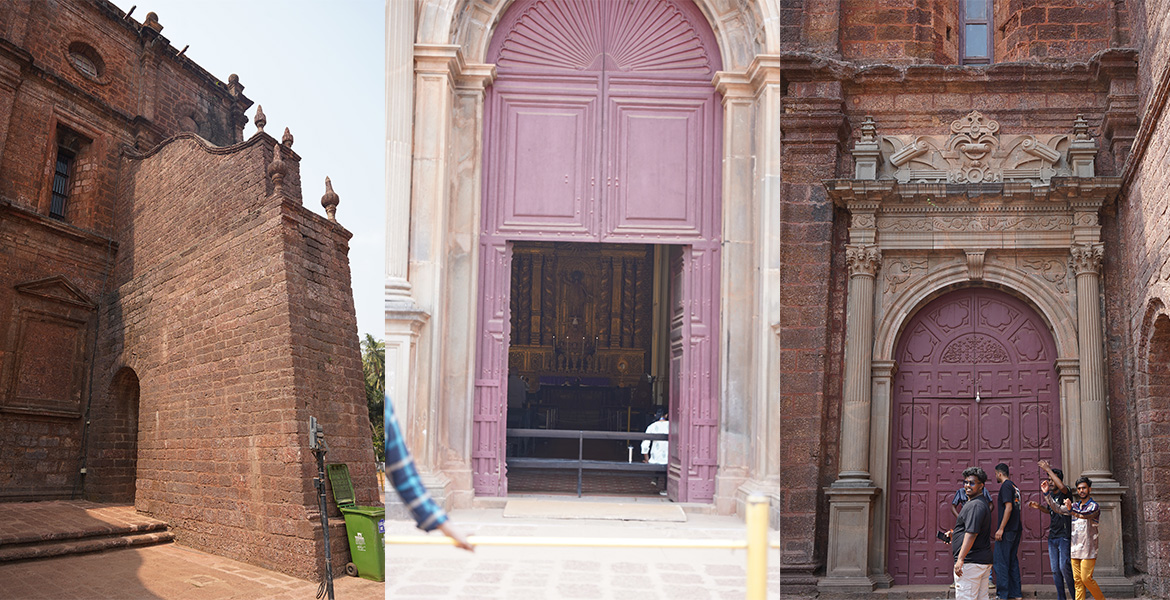
The Basilica of Bom Jesus in Goa sort of feels like one of those places traveller hear about first, then they finally see it for their self. It sits in Old Goa and it is widely considered one of the most celebrated religious landmarks in India. As a UNESCO World Heritage Site, it pulls in travellers for the Baroque architecture, the deep historical weight and a spiritual atmosphere that can feel surprisingly quiet even when the crowds are there. The basilica was built in the late 16th century and it is famous for housing the mortal remains of St. Francis Xavier, so people come for pilgrimage too but also for plain old sightseeing.
Around it traveller have got colonial streets, riverside views, lively nightlife quarters and of course, plenty of luxury accommodation choices. Because of that, the Basilica of Bom Jesus is also a solid launch point for a villa holiday in Goa. If traveller stay in nearby places like Old Goa, Panaji, Ribandar, Candolim or Nerul, traveller get practical access to heritage attractions while still having modern comfort and that nicer, private villa vibe.
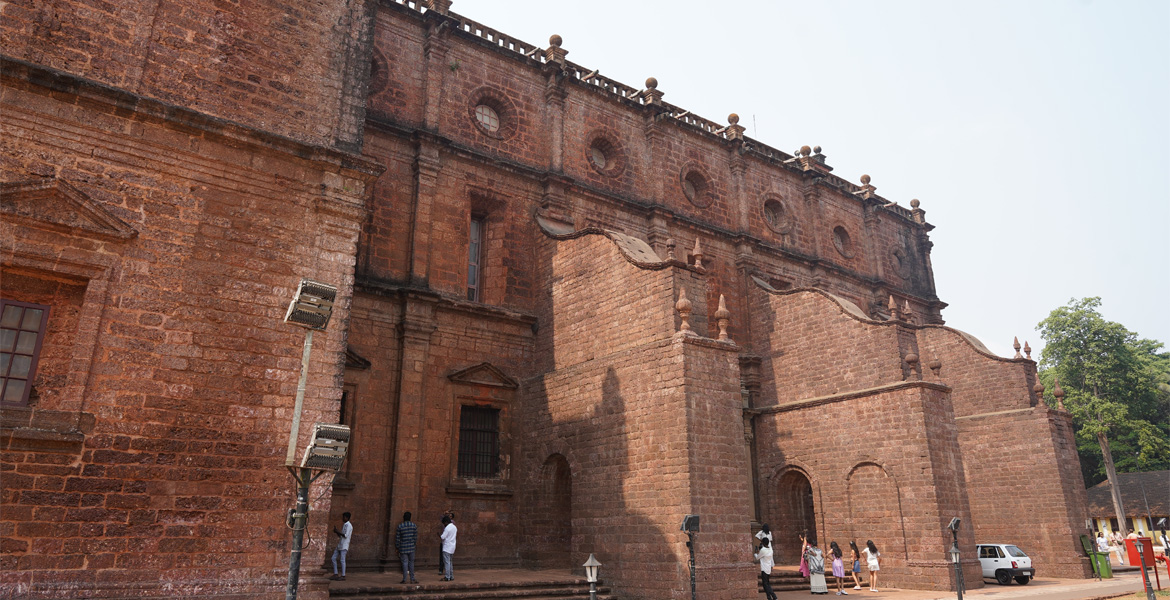
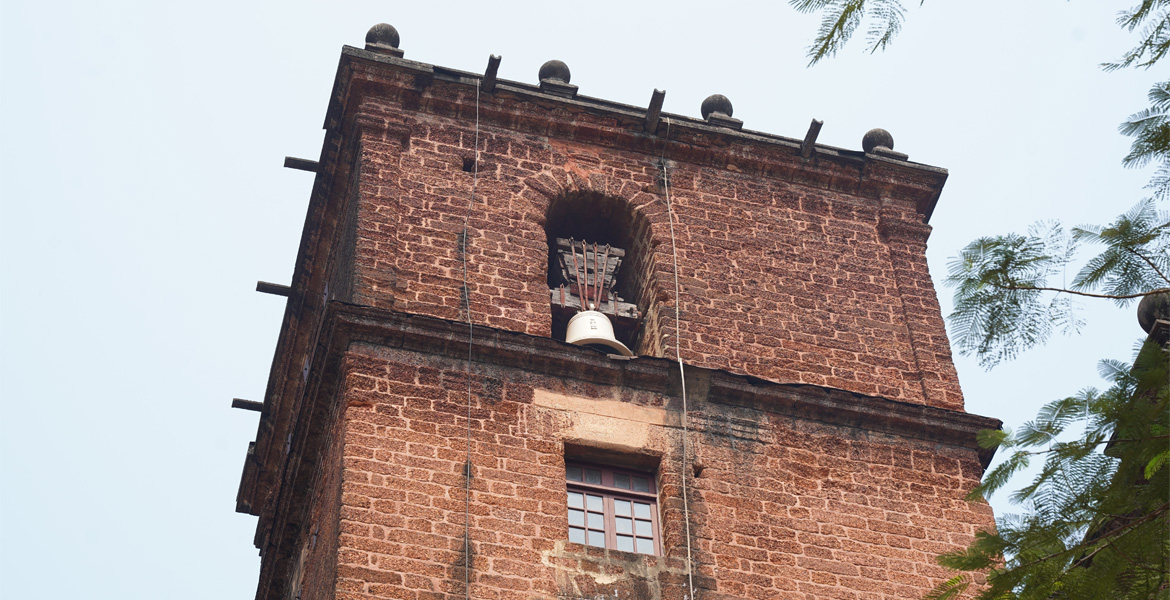
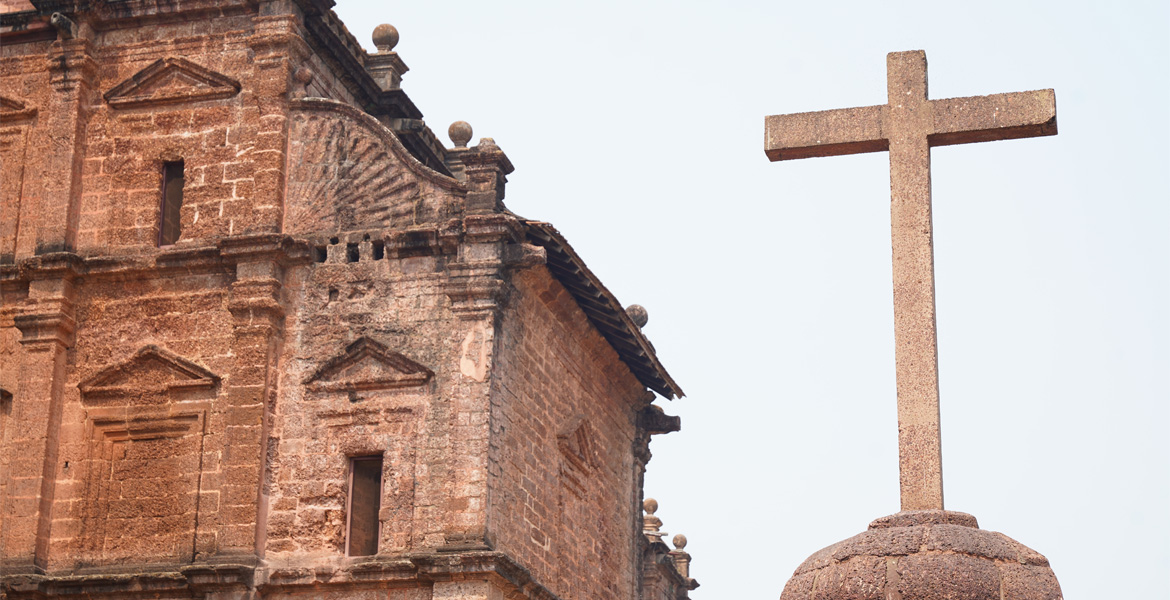
The Basilica of Bom Jesus was consecrated in 1605 and it keeps standing as one of the oldest churches in Goa. It was made using laterite stone and the whole structure leans hard into classic Baroque style. Think intricate detailing, big altars, marble flooring and decorative carvings that just keep catching traveller eye. Even after centuries, the façade has stayed mostly intact, so there’s this authentic historical appeal that doesn’t feel staged.
Inside, the main altar is richly decorated and it is dedicated to Infant Jesus. There’s also a silver casket that contains the relics of St. Francis Xavier and visitors come from faraway, especially when the public exposition is held from time to time in Goa.
Even though it’s one of Goa’s busiest heritage attractions, the church complex can feel calm, reflective, almost like it has its own pacing. Photography, guided tours and informal heritage walks are something many people do around the premises, casually.
A bunch of big attractions sit close by the basilica, so visitors kind of can see Goa’s cultural, historical vibe in one trip, not too much stress.
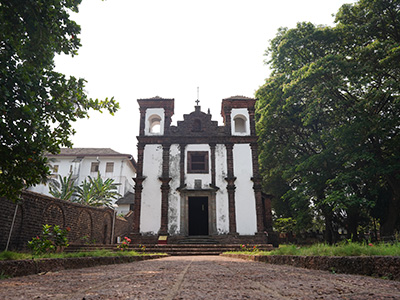
Right opposite the Basilica of Bom Jesus, Se Cathedral is among the largest churches in Asia. It has Portuguese-Gothic architecture, fancy chapels and calm prayer halls, the kind traveller just, pause for a bit.
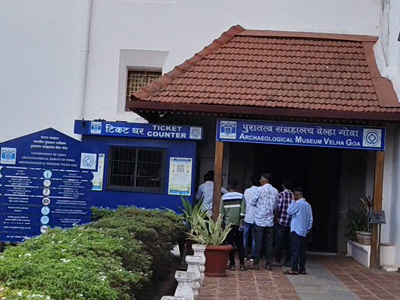
Near Old Goa, the Archaeological Museum shows Portuguese belongings, sculptures, portraits and curated displays tied to Goa’s colonial past. It’s basically like walking through pages that don’t want to stay flat.
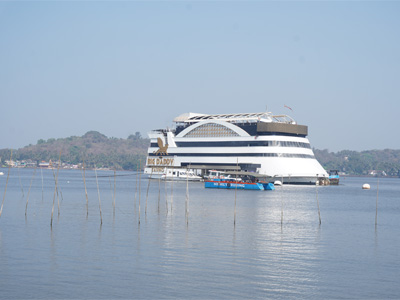
In the evening, Mandovi River cruises come with live music, traditional Goan dance moments, sunset views and even dinner setups. These cruises are still a top pick for tourists hanging around Old Goa and Panaji.
This church is inspired by St. Peter’s Basilica in Rome and it leans into Corinthian architecture, with graceful interiors. The surrounding compound also gives traveller great photo angles, for sure.
Panaji, the Goa capital city, is about 10 kilometres from the basilica. Traveller will find colourful Latin Quarter lanes, riverside stroll areas, casinos, market shopping and small cultural cafés. It feels lively, but still somehow walk-able.
Around Basilica of Bom Jesus, dining options are pretty varied, traveller can go for authentic Goan food, seafood and also get international plates if that’s traveller mood.
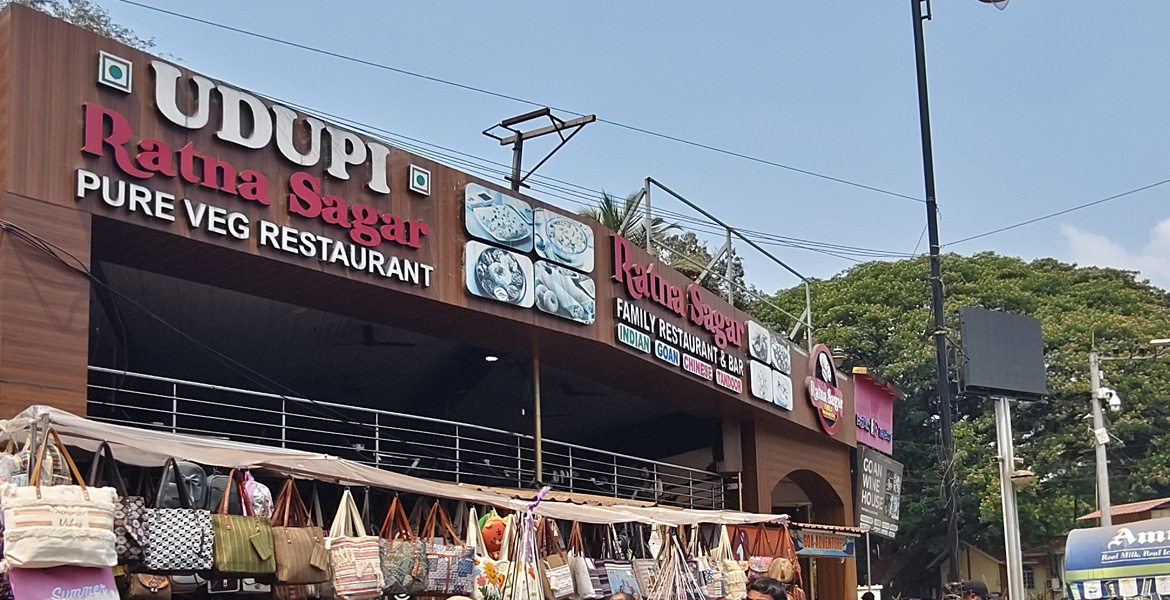
Traditional Goan places in Old Goa and Ribandar serve fish curry rice, prawn balchão, vindaloo, cafreal and bebinca as a sweet ending. Traveller also get riverside cafés and heritage restaurants, they’re relaxed but still carry Portuguese influences, somehow not loud about it.
Panaji and Candolim broaden the culinary scene with fine-dining restaurants, seafood spots, rooftop lounges and newer fusion ideas. Many travellers also look for local taverns for feni tastings, plus regional snacks that taste like “try one more”.
Beachside dining in Candolim and Miramar gives sunset scenes with grilled seafood, continental menus and live entertainment. It’s the whole “eat slow and look out” kind of plan.
Staying near the Basilica of Bom Jesus means traveller can pick from culture, leisure and adventure stuff.
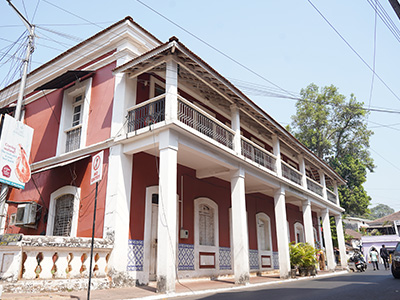
Heritage walks through Old Goa and Fontainhas reveal Portuguese architecture and Goan history. Photography tours are popular because the colonial streets and church complexes are honestly colourful and a camera loves that.
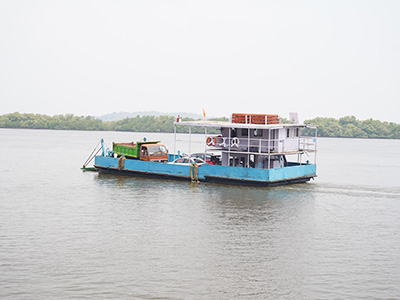
Cycling tours around Ribandar and Divar Island give scenic countryside views, plus riverside settings and village life. Boat rides and ferry crossings add an extra charm to exploring central Goa, even when travellers think they’re “just going somewhere”.
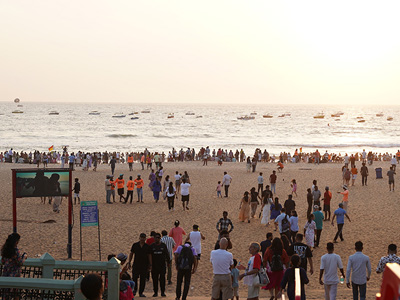
Beach trips to Calangute, Miramar and Dona Paula bring access to water sports like parasailing, jet skiing, banana boat rides, and kayaking. If traveller wants active days, this is it.

Shopping lovers often head to Panaji markets for handicrafts, spices, azulejo tiles, jewellery and classic Goan souvenirs. It’s not only shopping, it’s kind of browsing memories.
The best time to visit Basilica of Bom Jesus is from November to March when Goa’s weather stays pleasant and festive activity is happening around. Christmas, plus New Year celebrations make the area feel busy, even in nearby beach towns and cities.
Monsoon season, roughly June through September, turns the surroundings into lush greenery. Villa stays become especially scenic and peaceful and the heritage photography and riverside moments start feeling extra dramatic, in a good way.
The Basilica of Bom Jesus keeps being one of Goa’s most iconic places, bringing religious heritage, colonial history, cultural discovery and even luxury villa experiences less than one roof—well, one destination, not roof, but traveller get what they mean.
Villa rentals near the Basilica of Bom Jesus mix heritage surroundings with easy access to beaches, nightlife and general entertainment areas. In the regions close by, traveller will find a range of stays, from heritage villas that feel old-world, to more luxury style riverside homes.
Old Goa is known for Portuguese inspired villas, with colonial architecture, antique type furnishings, arched balconies and landscaped courtyards. These places often suit travellers who want a cultural, serene setting that’s still near the basilica and other nearby churches.
A lot of heritage villas also come with private gardens, traditional Goan interiors, swimming pools and roomy family living spaces. Traveller get riverside views sometimes and traveller are close enough to historical attractions that it becomes a very natural choice for cultural tourism.