
Email Us

Bookings and Support


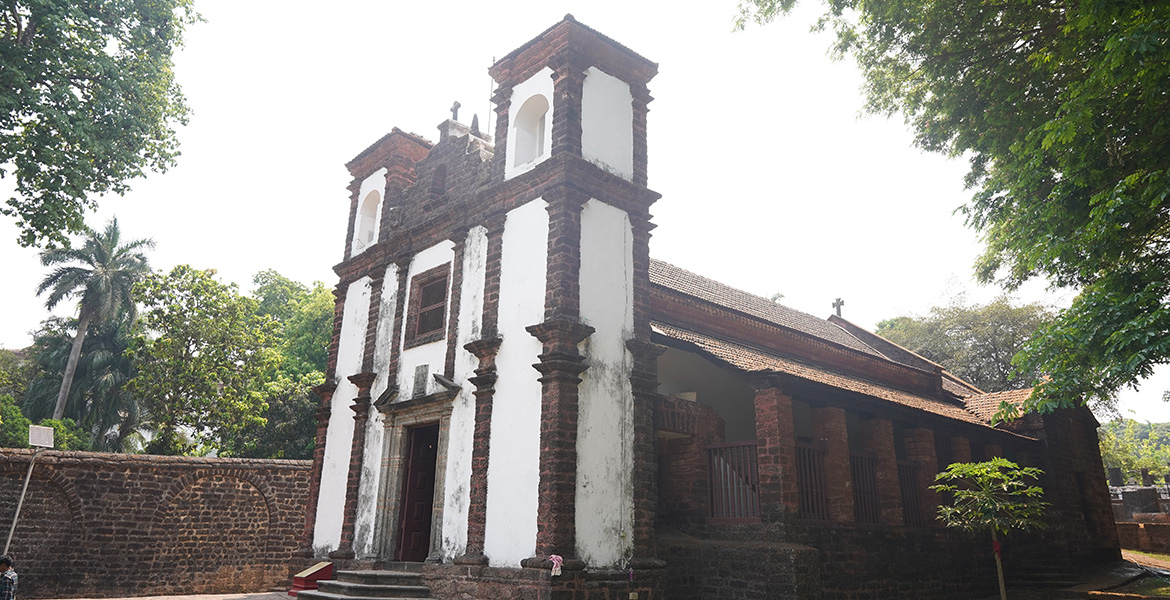
Located in Old Goa, Se Cathedral stands as one of the largest and most historically significant churches in India. People usually point to its Portuguese-Gothic vibe; it feels impressive, like it carries Goa’s colonial past on its sleeves. The cathedral is dedicated to Saint Catherine of Alexandria and it was built to mark the Portuguese win over a Muslim army back in 1510. Nowadays, Se Cathedral pulls in history buffs, architecture lovers, pilgrims and even leisure travellers who want something more cultural than just beaches and night-time scenes.
The bright whitewashed walls look crisp and elegant; with Tuscan-style exteriors and inside traveller get a Corinthian detail which is a nice visual contrast. Traveller will find grand prayer halls, carefully made altars, vaulted ceiling and the famous Golden Bell, so it’s no surprise the site is treated as a UNESCO-recognized heritage monument in Old Goa. The quiet surroundings plus the deep history makes Se Cathedral feel like a must-do stop for travellers exploring Goa beyond the usual crowd routes.
Se Cathedral is often described as having an exceptional European-inspired design. It was put together over a bunch of decades during Portuguese rule, so it blends Portuguese-Manueline elements, Gothic and Renaissance influences, all in one place. The large central nave, the carved details and the art-filled chapels show off a level of craftsmanship that feels very colonial, very intentional.
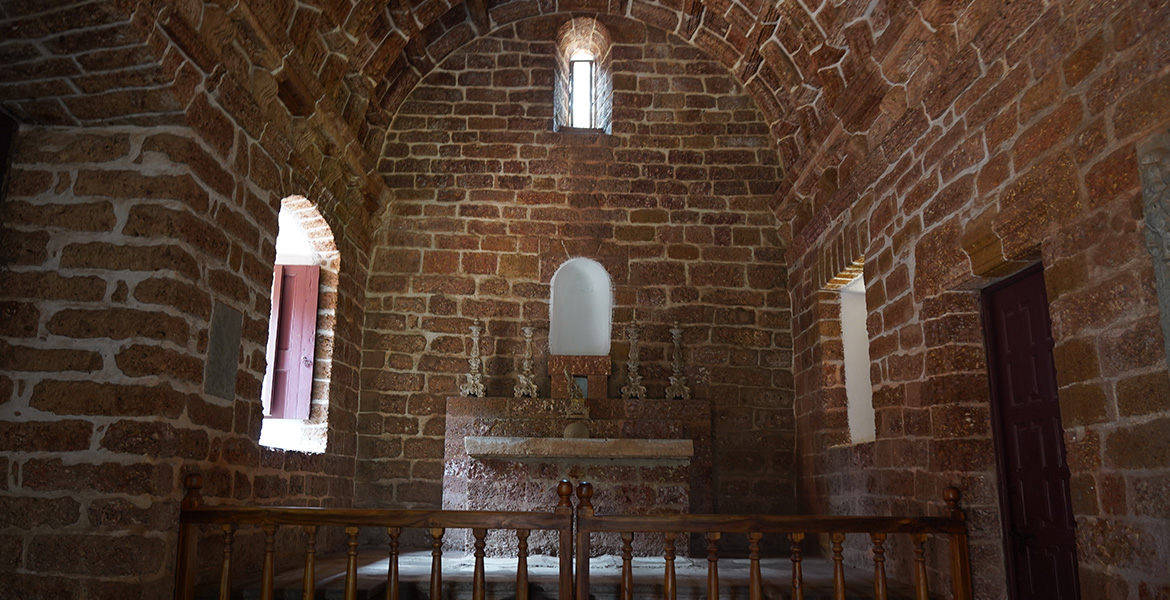
Inside, the Golden Bell is considered one of Goa’s finest bells, mainly because its tone is rich and because it has serious historic value. The main altar for Saint Catherine has gilded panels and religious paintings, while side chapels show more delicate artwork and sculptures. Everything around it stays calm, so it becomes an easy spot for heritage walks and photographs, no rush, no drama.
Old Goa itself used to be the capital of Portuguese India and it still protects several notable churches and monuments. That’s why Se Cathedral is commonly included in heritage routes, those tours that focus on Goa’s cultural core, not only its coastal mood.
There are a few iconic attractions that sit close to Se Cathedral, which makes Old Goa a strong sightseeing destination.
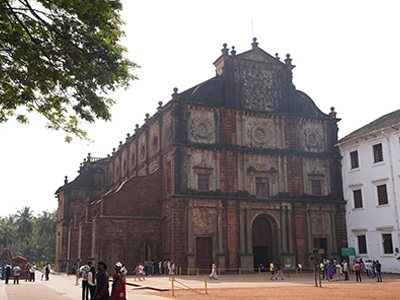
Not far, within walking distance, the Basilica of Bom Jesus is one of Goa’s best-known churches. It also holds the mortal remains of Saint Francis Xavier. People love it for its baroque architecture and for its major place in history.
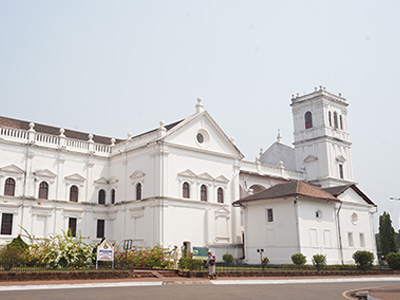
Another nearby landmark is the Church of St. Francis of Assisi. This one is admired for beautiful murals and Portuguese-style interiors. It also has an attached archaeological museum, with artifacts connected to Goa’s colonial timeline.
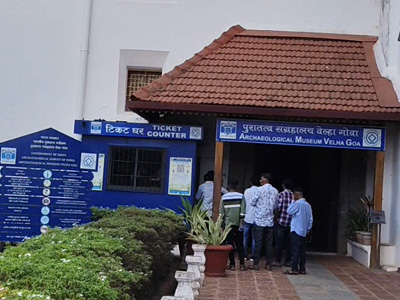
Located near Se Cathedral, the Archaeological Museum of Goa displays sculptures, portraits, old maps and relics from Portuguese rule. It’s a good stop if travellers want a deeper understanding of how Goa’s culture evolved over time.
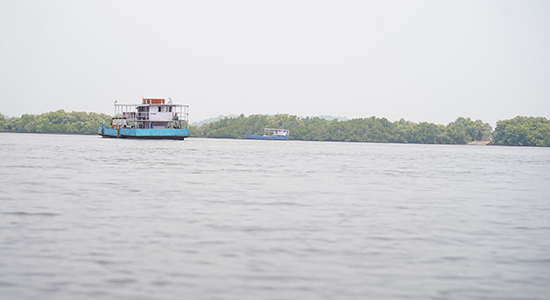
Divar Island is reachable by ferry and it feels like a calm escape. Traveller will see paddy fields, old churches and traditional Goan villages. Cycling tours and village walks are common activities, so it’s ideal if they like slower exploration.
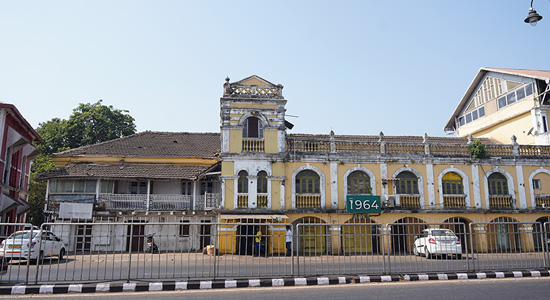
Panaji is the capital city and it’s just a short drive away. It offers riverside promenades, colonial neighbourhoods, local markets, casinos and waterfront dining experiences, so traveller can mix heritage sightseeing with urban comfort.
If traveller is around Se Cathedral, there are a bunch of places to grab food everything from proper Goan cuisine to Portuguese flavours and some more global plates too. Travellers usually end up wandering by more than once, honestly it’s kind of hard not to.
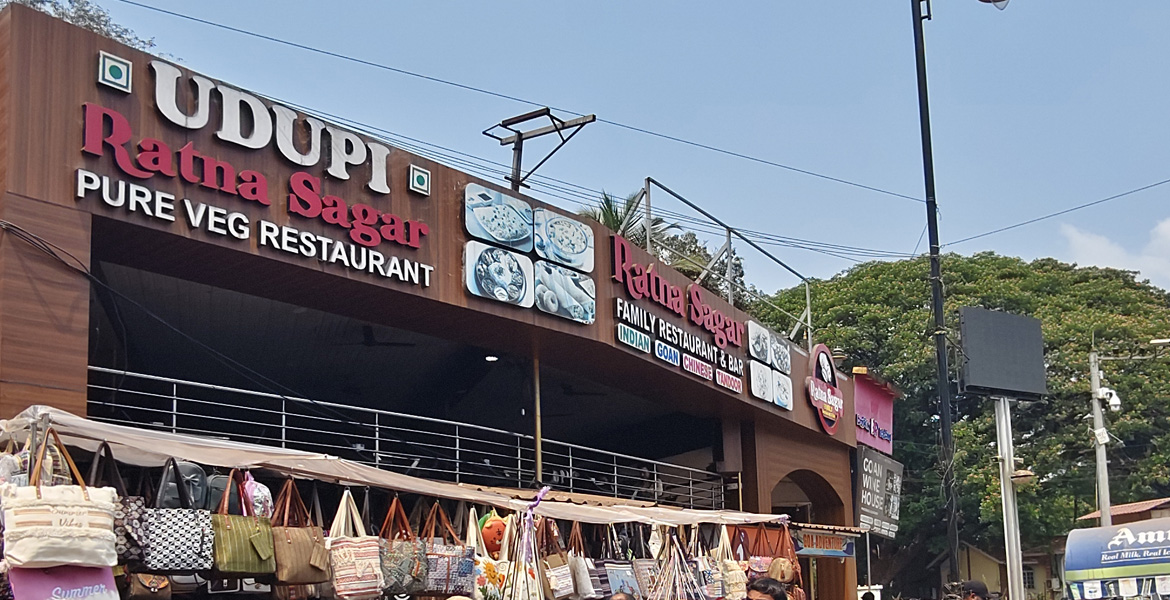
Mum’s Kitchen is pretty well known for keeping traditional Goan recipes intact and the regional flavours really show up. Stuff like seafood curries, prawn balchão and vindaloo dishes stay on most visitors’ “must try” list.
Viva Panjim is in a restored Portuguese home in Panaji and it feels heritage-first, like traveller is stepping into another era. The menu leans into Goan Portuguese cuisine and the atmosphere kind of matches it.
Ritz Classic gets mentioned a lot for seafood platters, fish thali meals and those local Goan specialties that tourists and residents tend to chase. It’s not just food; it’s also a familiar stop for a lot of people.
Set along the riverside, The Fisherman’s Wharf serves seafood specialties, Goan curries and even some fusion dishes. The whole vibe is relaxed, like they can actually breathe while traveller eat and watch the water.
Old Goa plus the surrounding areas, basically gives traveller a mix of cultural and recreational things to do, so it works for almost every kind of traveller.
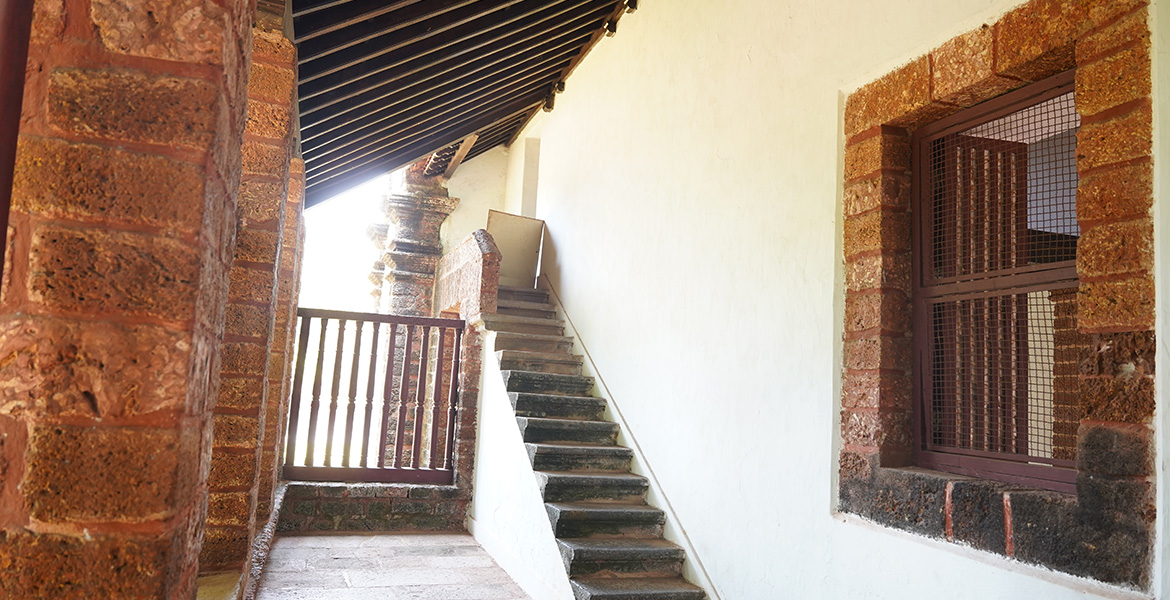
They can join guided heritage tours through Old Goa, and then traveller will be able to see churches, convents, museums and colonial-era structures. Travellers also learn about Goa’s Portuguese history while they walk, even if traveller weren’t trying to.
Mandovi River cruises that depart from Panaji usually include live music and traditional dance performances. And yes, there are those scenic sunset views along Goa’s waterways, very easy to like.
The architectural beauty of Se Cathedral and the neighbouring churches really pulls in photography enthusiasts. People come for heritage structures and tropical landscapes; basically everything looks like a postcard.
Near Ponda, there are several spice plantations where they run guided tours. Traveller can learn about cardamom, nutmeg, pepper, vanilla cultivation and they’ll often get traditional Goan meals as part of it.
Cycling tours around Divar Island and nearby villages are a nice way to slow down. Travellers get rural charm, historic homes and quiet countryside scenes that feel away from the noise, kind of refreshing.
The best time to visit Se Cathedral is between November and March. During that stretch, Goa has pleasant weather that works well for sightseeing and outdoor activities. Winter season also lines up with festivals, cultural events and church celebrations around the region. For photos too, early mornings and late afternoons are usually the sweet spot, because the light is softer.
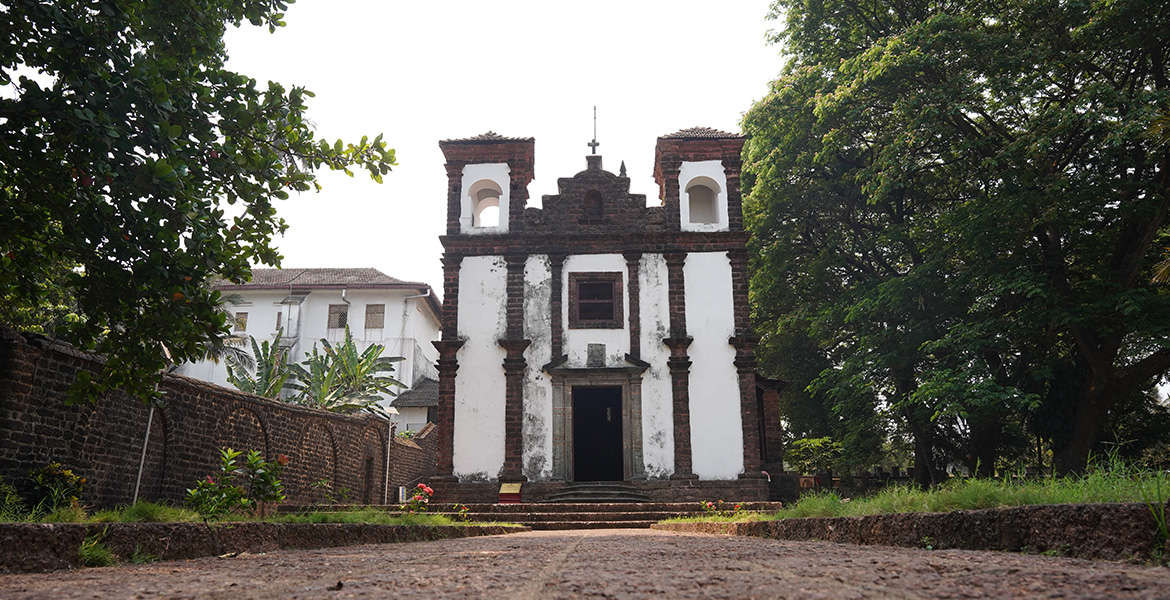
Se Cathedral is still one of Goa’s most cherished heritage landmarks and it offers this blend of spirituality, history, architecture and cultural depth. If traveller combines it with nearby villa rentals, scenic attractions, traditional restaurants and immersive activities, the whole trip feels memorable—especially for travellers who want a deeper connection to Goa’s historical roots.
Staying in villa rentals near Se Cathedral feels more peaceful than crowded beach places, honestly. Around Old Goa, Panaji, Ribandar and Divar Island, traveller can find a range of villas for families, couples, and groups who want more privacy, but still some comfort. Some of these properties are restored Portuguese-style heritage villas and others are modern luxury homes with pools, landscaped gardens and a more “relax now” kind of setup.