
Email Us

Bookings and Support


Tucked in the quiet village of Kavlem in Ponda, Shantadurga Temple is one of Goa’s most honoured Hindu temples. It’s dedicated to Goddess Shantadurga and is famous for that distinctive Indo-Portuguese vibe, calm surroundings and a real cultural weight that many visitors feel. Because it sits a bit away from the crowded coastal scene, it draws pilgrims, history lovers and travellers who want the slower, less noisy Goa, traveller know.
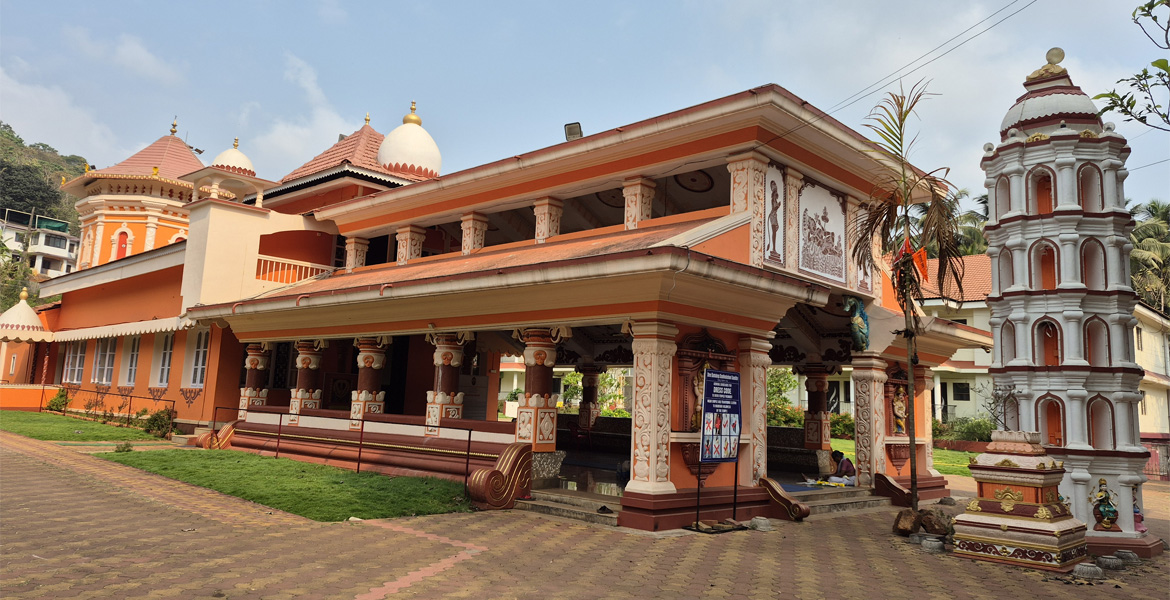
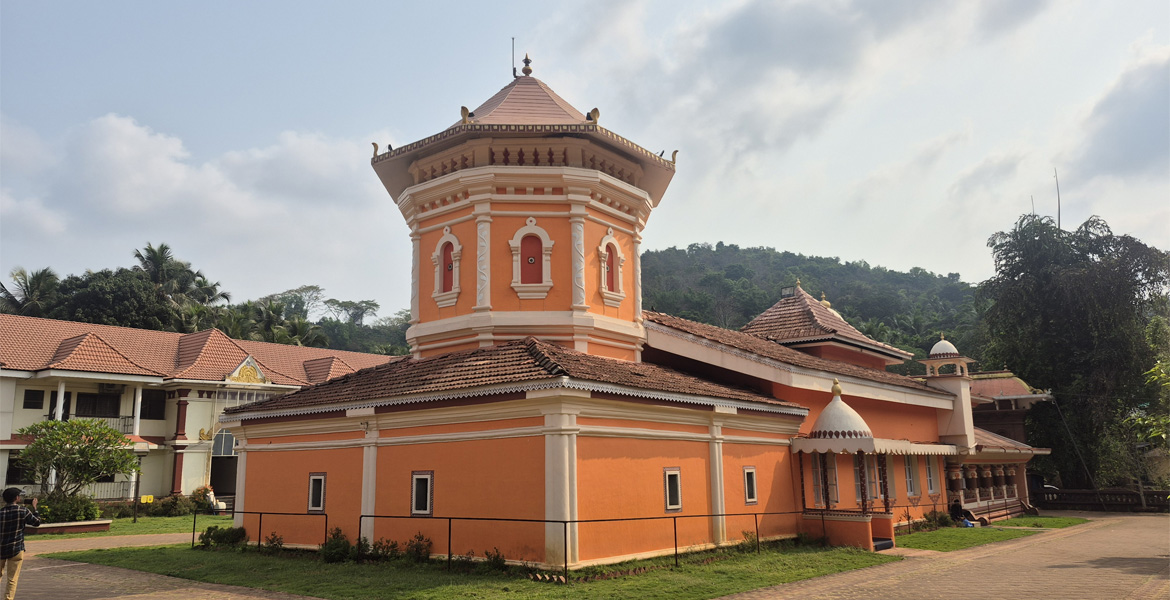
Traveller will notice the temple’s red-and-white façade right away, then the deepstambha that feels almost grand, plus courtyards that open out nicely and a peaceful water tank that just adds to the quiet. All of this makes the spot feel good for spiritual pauses. Since it’s in central Goa, the area also works like a handy base for spice plantations, heritage pockets and wildlife corners, yes, luxury villa stays nearby.
Shantadurga Temple’s story goes back centuries, tightly linked to Goa’s Hindu traditions. Mythology says Goddess Shantadurga once acted as a mediator between Lord Shiva and Lord Vishnu, when things turned heated during some fierce dispute. In that telling, she brought the whole situation back into balance, which is why many devotees treat the temple as spiritually meaningful, even beyond Goa, including neighbouring states.
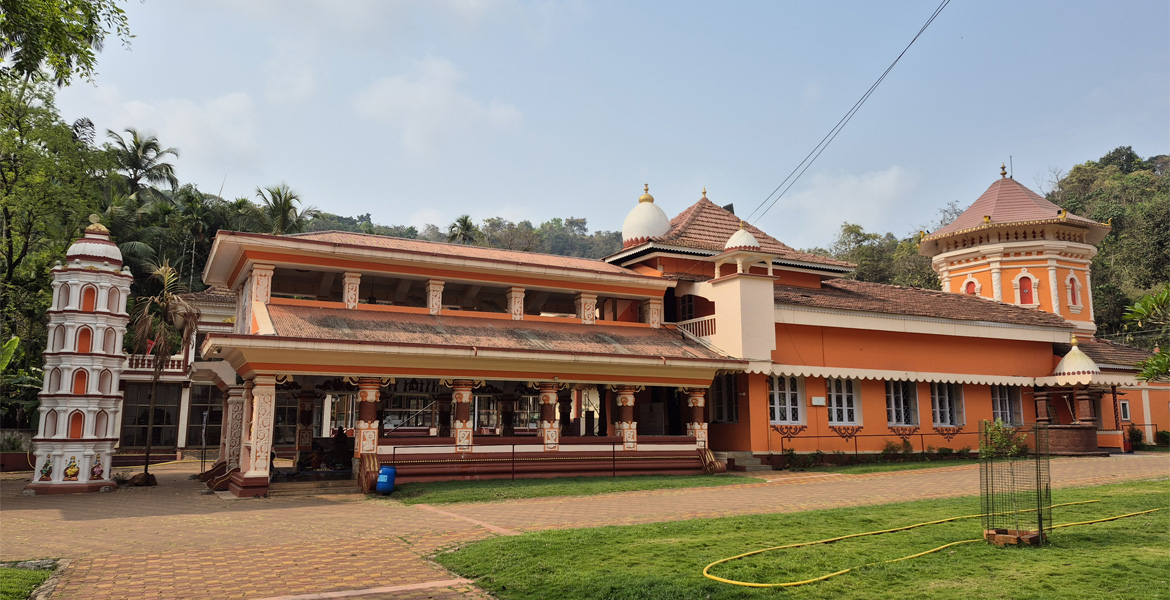
Originally the deity was based in Quelossim, but during the Portuguese colonial era, it was shifted to Kavlem so the temple could be guarded from damage. The current structure is often connected to the 18th century, during the time of Maratha ruler Chhatrapati Shahu Maharaj.
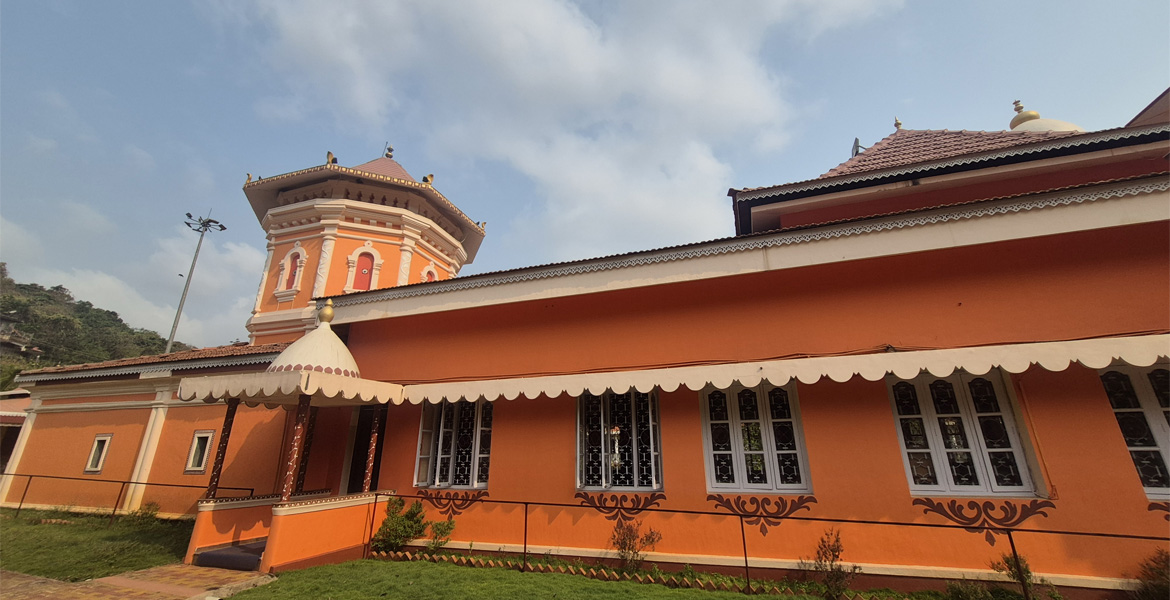
Architecturally it’s a mix, with Indian design sensibilities and Portuguese touches showing up in the details. Think Roman-arched windows, sloping roofs, chandeliers and interiors that feel more elaborate than traveller’s normally see in classic Hindu temple travellers. During celebrations like Navratri and the annual Zatra, the temple area feels different—more processions, more music, devotional rituals and cultural performances, like the whole place is alive.
Around Shantadurga Temple, central Goa offers a lot of options across history, culture and nature.
Just a short drive away, Mangueshi Temple is another major Hindu temple, dedicated to Lord Shiva. It’s known for its elegant white tower and a peaceful vibe, so it stays on many people’s spiritual travel plans.
The UNESCO-listed churches in Old Goa are pretty easy to reach from the temple area. Among the key highlights are Basilica of Bom Jesus and Se Cathedral both widely admired for colonial-era architecture, their deep religious importance.
Ponda is famous for spice farms. Guided tours there are usually cover crops like cardamom, vanilla, black pepper, nutmeg and cinnamon. Travellers often get traditional Goan meals and local cultural experiences, plus the whole thing happens in tropical scenery, which is honestly part of the charm.
Nature lovers frequently head to Bondla Wildlife Sanctuary for forest trails, botanical spaces, deer parks and bird watching. It’s a refreshing break from the usual routes and traveller get a more grounded look at Goa’s natural side.
The Ponda and Panaji areas kind of give traveller a full range of options, from real Goan comfort food to more modern fine dining. In the vicinity, especially near the temple, traveller will usually spot traditional restaurants serving vegetarian thalis, seafood curries, prawn balchão, fish recheado and local sweets also. Some spice plantation based places are really popular too, for authentic Saraswat and Goan Hindu meals, cooked with locally sourced produce, like they really mean it.
In Panaji and Porvorim, upscale restaurants lean into riverfront dining, international cuisine, gourmet seafood and a bunch of fusion-style menus. There are also Portuguese-inspired bakeries, cafés that add to the whole food vibe with fresh pastries, bebinca and Goan breads.
If traveller is staying in private villas, many guests end up choosing customized chef services, barbecue evenings and dining experiences that feel carefully arranged around regional specialties.
Around the temple, the overall experience mixes spiritual moments, cultural experiences and recreation in a way that feels balanced. People usually like temple visits, heritage walks, spice plantation tours, yoga retreats, nature photography, cycling through village roads and river cruises along the Mandovi River. Wellness minded travellers also tend to join Ayurvedic therapies and meditation programs offered at retreats nearby, so it fits those who want calm as well as structure.
Adventure lovers can try trekking routes in the Western Ghats, wildlife excursions and kayaking around Goa’s inland waterways. During seasonal festivals and temple fairs, there are chances to catch traditional music, dance and local crafts too.
The best time to visit Shantadurga Temple is usually between October and March, because Goa gets pleasant weather for sightseeing and outdoor plans. Monsoon months, from June to September, turn the countryside into this lush green scene, so the temple area and nearby villa properties look especially scenic.
Festival times like Navratri and the annual temple celebrations bring in lots of devotees, along with cultural visitors and the energy feels vibrant, like traveller are stepping into Goa’s religious traditions for real.
When traveller combine spiritual heritage with a peaceful countryside setting, plus luxury villa stays, easy access to Goa’s beaches and entertainment districts, Shantadurga Temple ends up feeling like one of the more enriching destinations in central Goa.
If traveller is looking at villa rentals near Shantadurga Temple, it’s a calmer choice compared to crowded beach resorts. Around Ponda, Marcel, Old Goa and even parts of North Goa, traveller will find spacious villas, suited for families, spiritual getaways, group trips and also longer stays.
Most luxury villas here tend to come with private swimming pools, landscaped gardens, modern kitchens and open terraces. Many also offer those scenic countryside views, so mornings feel softer. Some properties blend traditional Goan building styles with more contemporary interiors, so it still feels authentic but comfortable in a newer way.