Island Trips in Goa
When travellers picture Goa, golden strips of sand, lively beach shacks, and nonstop nightlife routes instantly pop into their minds. Tucked among the emerald backwaters of the Mandovi and Zuari rivers, plus a few points along the shiny Arabian Sea shoreline, there’s a set of clean, almost whispering islands that can turn traveller plan into something more memorable.
Island trips in Goa mix untouched greenery, colonial echoes, and genuinely thrilling marine moments. If travellers are trying to slip away from the usual crowd trail, exploring these tucked-away sanctuaries often shows a more real Goan culture, still surprisingly intact.
The Ecological Haven of Chorao Island
Chorao Island sits along the Mandovi River, and it’s considered Goa’s biggest river island, plus a prime ecotourism stop. People locally call it the “Island of the Gods”, which kind of fits, because the place feels like it belongs to mangrove labyrinths and calm water channels.
The Dr. Salim Ali Bird Sanctuary
The highlight inside Chorao is the Dr. Salim Ali Bird Sanctuary, covering a good chunk of the island’s western edge. It’s named after India’s most well-known ornithologist, and it protects an ecosystem where resident birds and migratory visitors mingle and thrive.
- Avian Diversity: Early morning travellers often spot western reef herons, black-bitterns, kingfishers, pintails, and jack snipes moving slowly across the wetlands, like they’re part of the scenery.
- Canoe and Boat Safaris: Using old-school wooden canoes to glide through narrow, shaded waterways lets travellers enjoy the quiet wilderness, without messing up the local fauna too much.
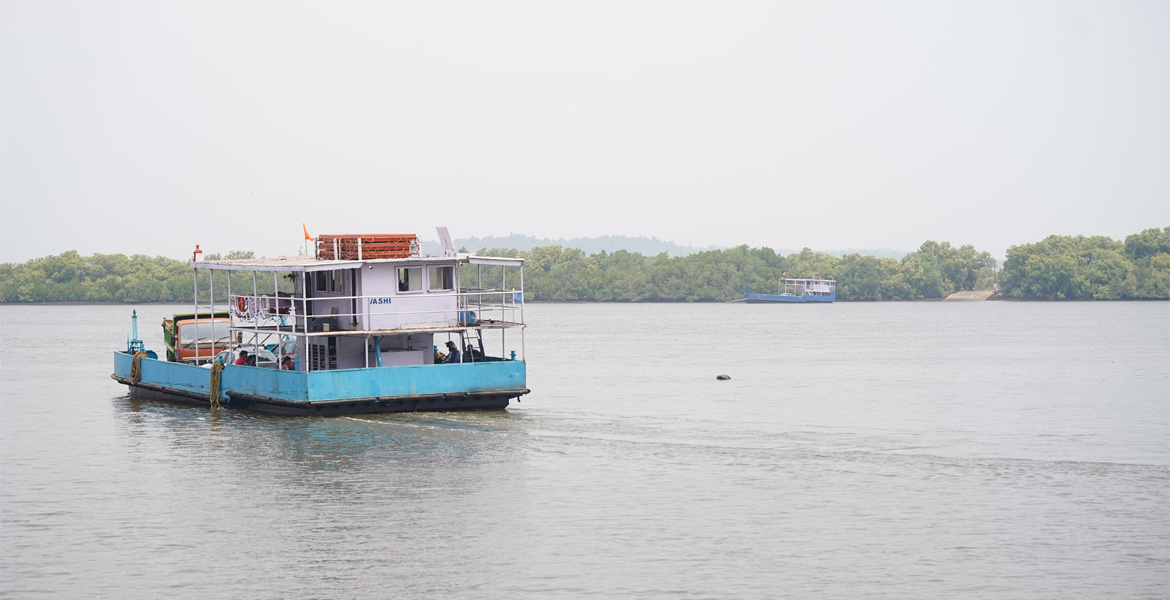
After traveller finish the sanctuary area, Chorao opens into sleepy village lanes. Traveller will see ancient Indo Portuguese houses, quiet whitewashed chapels, and tiny local spots serving real Goan seafood. Getting there is also easy: traveller take a short, scenic public ferry ride from the Ribandar jetty near Panjim, so it can work smoothly as a day trip for nature lovers.
Stepping Back in Time on Divar Island
Not far away lays Divar Island, a calmer retreat that feels like time is stuck in a older chapter. Divar has stayed largely away from heavy modern commercialization, so traveller get that pastoral mood—sloped terracotta roofs, wide green paddy fields, and country lanes that gently twist rather than rush.
Cultural Landmarks and Architecture
Divar’s story runs deep with traditions and colonial design.
- Our Lady of Compassion Church: This bold 16th-century church sits on a hill in Piedade village, and from there traveller can see the Mandovi River stretching out, along with the surrounding lowlands. Its baroque details and peaceful churchyard make it a great spot for quiet thinking.
- Ancient Archaeological Traces: The Island connects to the Kadamba dynasty, and to early roots linked with the Saptakoteshwar Temple before it was moved elsewhere.
- The Bonderam Festival: If travellers visit in August, traveller might catch the Bonderam Festival. It’s a traditional Goan celebration with colourful flags, upbeat music, and mock battles that turn the slow lanes into something lively.
Walking through Divar, or cycling around, helps visitors soak in the unhurried rhythm of village life. Ferries connect Divar with both Ribandar and Old Goa, which keeps travel simple for culture seekers and photographers.
Marine Adventures at Grande Island (Ilha Grande)
For travellers who want more adrenaline and ocean energy, Grande Island (Ilha Grande) is like Goa’s underwater playground. It’s located off the coast of Vasco da Gama in the Arabian Sea, and since it’s uninhabited, the focus stays firmly on scuba diving and snorkelling.
Subaquatic Exploration and Activities
Around Grande Island, the water can be crystal clear in the dry season, so marine discovery feels almost unreal.
- Scuba Diving and Snorkelling: In the sea, traveller can meet vibrant coral reefs, plus colourful schools of parrotfish and angelfish, and sometimes even reef sharks. Popular dive spots like Suzy's Wreck and Sailor Rock show interesting underwater terrain, including sunken merchant vessels and rocks that are covered with marine life.
- Dolphin Spotting and Boat Cruises: Many boat trips, especially those leaving from Baina Beach or Coco Beach, include open sea stops for dolphin watching. After that, the plan often turns into relaxed beach time, with barbecues at spots like Monkey Beach.
Because Grande Island is under naval oversight, and there is no permanent human settlement, overnight stays aren’t allowed, and every tour runs only as a properly organized daytime excursion.
Wildlife Encounters on Cumbarjua Canal and Island
If traveller are a thrill-seeker and traveller want something slightly off the route, then Cumbarjua Island, plus that surrounding canal maze, is basically a good add-on to any Goa plan. It sits between the Mandovi and Zuari rivers, so this narrow stretch of water is known for its busy colony of wild marsh crocodiles, yes really.
- The Mugger Crocodiles: Indian mugger crocodiles live right in the thick mangrove roots along the canal banks, and they’re often seen out there sunning themselves, especially when the water is low. Boat safaris (run under regulation, with local guides) are a kind of safer way to watch wildlife respectfully.
- Biodiversity: Beyond reptiles, the Cumbarjua backwaters are packed with water fowl, otters, and migratory butterflies, which make the whole area a kind of visual playground for wildlife photographers.
Lesser-Known Gems: São Jacinto and Vanxim
Goa’s archipelago keeps stretching into little, personal micro-destinations for the intrepid travellers who doesn’t mind going slow:
- São Jacinto Island: It links to the mainland via a scenic bridge built by the British, near Dabolim. São Jacinto is like a close residential pocket, with a historic lighthouse, and the lovely St. Hyacinth Church. The residents keep a fairly strict view against commercial tourism, so it stays this preserved, old-world vibe and not some loud visitor circus.
- Vanxim Island: Near Divar, small Vanxim feels almost unreal in its calm; it’s a tiny fishing hamlet with deep green foliage, quiet pastoral pathways, and St. Anthony’s Church, which tends to suit travellers who prefer mindful, slow paced days rather than quick checklists.
Essential Travel Tips for Island Hopping in Goa
To get the most from island-hopping, traveller really have to manage time and logistics, not just “show up” and hope:
- Best Time to Visit: The dry season, October through May, gives calmer sea conditions and usually better weather for river cruising plus marine activities. Then monsoon hits June to September and the islands become this lush green, almost enchanted area, but marine tours going offshore like to Grande Island are paused, because rough seas can make it unsafe.
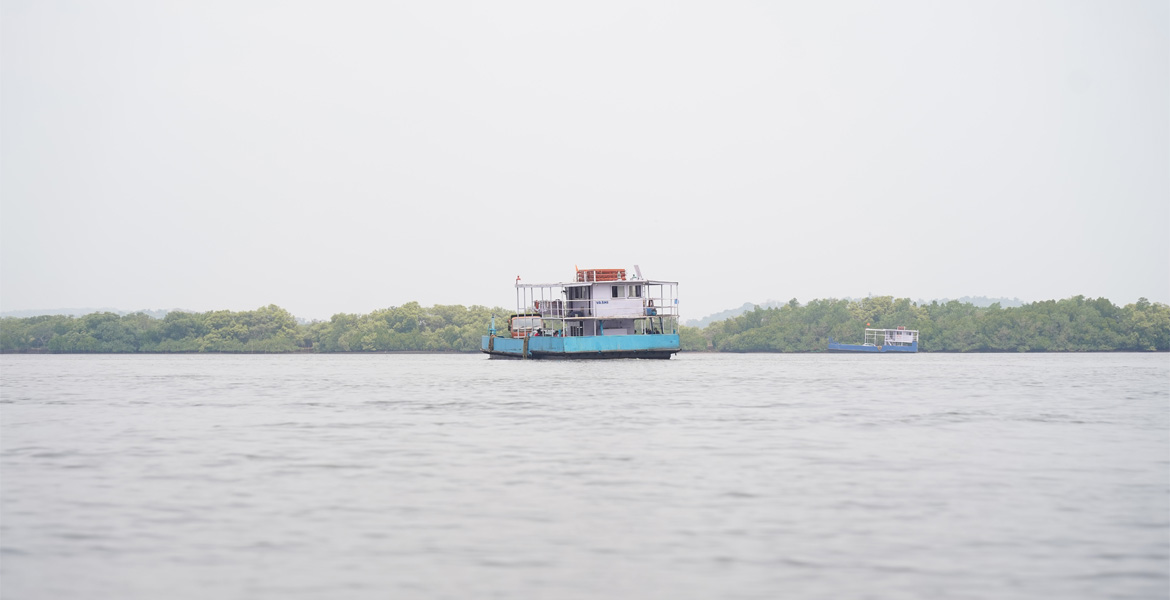
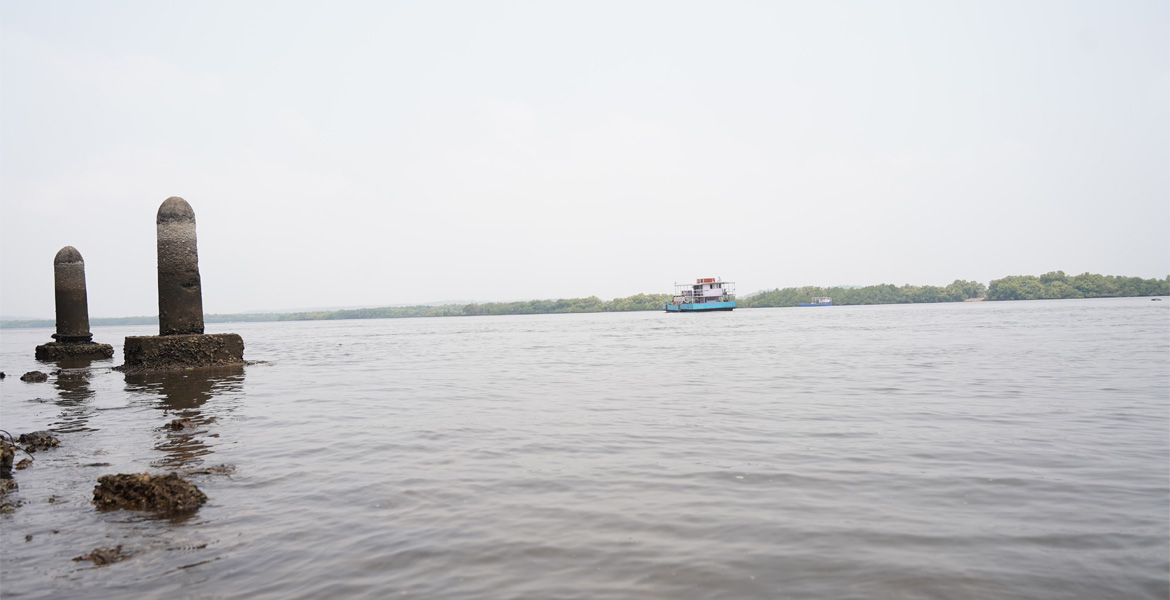
- Transportation Logistics: For river islands such as Chorao and Divar, traveller mostly use government ferry services, and these help move pedestrians, bicycles, and two-wheelers, usually free of charge or with just a tiny nominal fee. For offshore marine adventures traveller will want to book certified boat operators from the coastal jetties, don’t improvise there.
- Responsible Tourism: Try to follow community rules, avoid littering especially in ecologically sensitive zones like bird sanctuaries, and consider supporting local homestays and nearby vendors, so the regional economy stays healthier and more sustainable.
So, basically, when travellers step beyond the typical beach resorts, they end up with a destination that feels kind of layered, with quiet backwaters, a strip of colonial history, and living marine ecosystems all at once. It’s like everything is there together, not in a neat order, but still somehow making sense.