Email Us

Bookings and Support


Goa is this well-known place, with sun-drenched golden beaches, lively nightlife, and that Portuguese-style architecture travellers keep spotting everywhere. But if travellers go a little further, like just beneath the waves of the Arabian Sea, there’s this whole other kind of magic. For people who want to look beyond the shoreline, scuba diving in Goa can turn into an energizing escape, with colourful sea life, old shipwrecks, and quiet coral gardens that feel almost unreal.
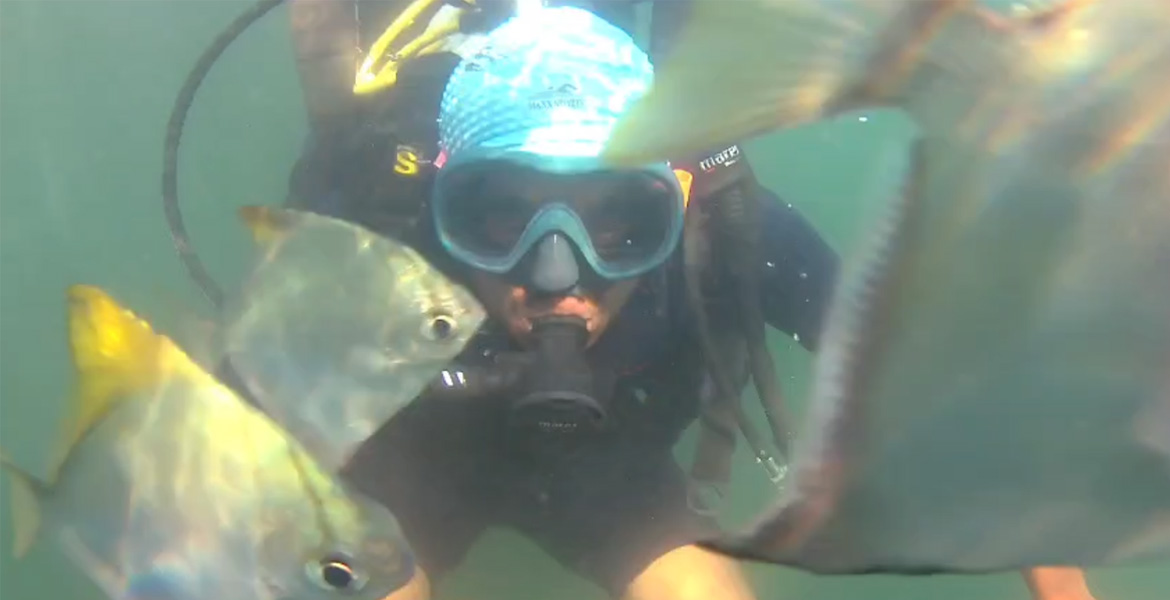
Whether travellers are a total beginner who wants an introductory “try dive” , or someone more advanced chasing technical thrills, Goa’s coastal waters still manage to feel like an underwater playground, with way more variety than most people expect.
India’s western coastline usually doesn’t get first place in global diving conversations, but Goa has grown into a real, sub-aquatic hotspot. There are a few reasons deep sea diving in goa ends up being such a solid choice for travellers:
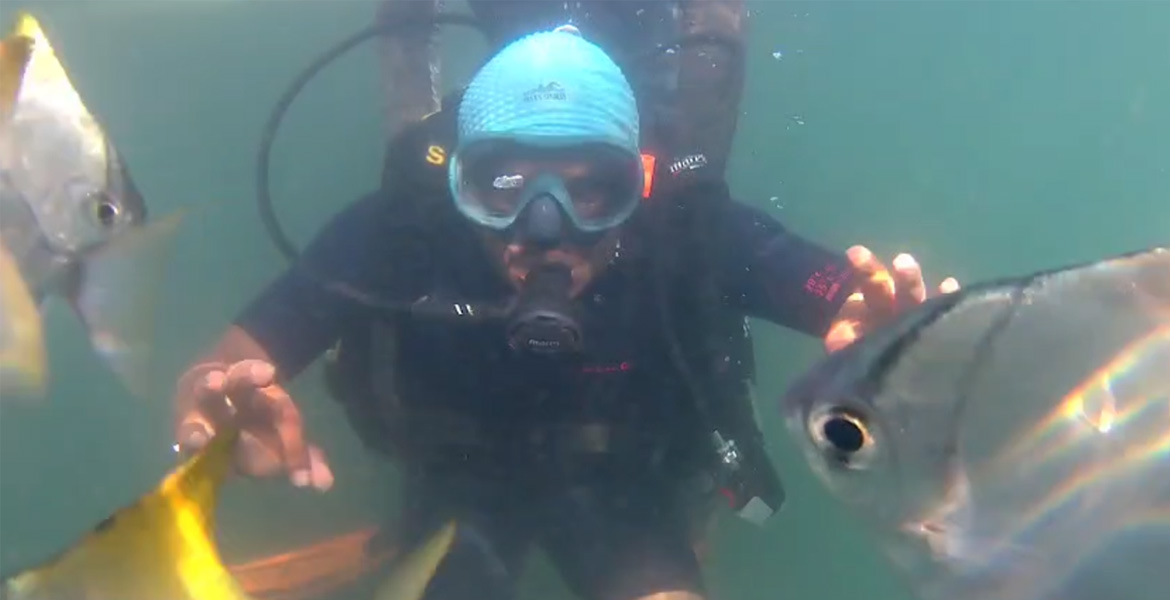
The vibe of travellers’ entire dive depends a lot on where travellers go. While quick shore dives near Baga or Calangute can be great for first looks, the more serious underwater exploring is usually centred on offshore islands and protected reefs.
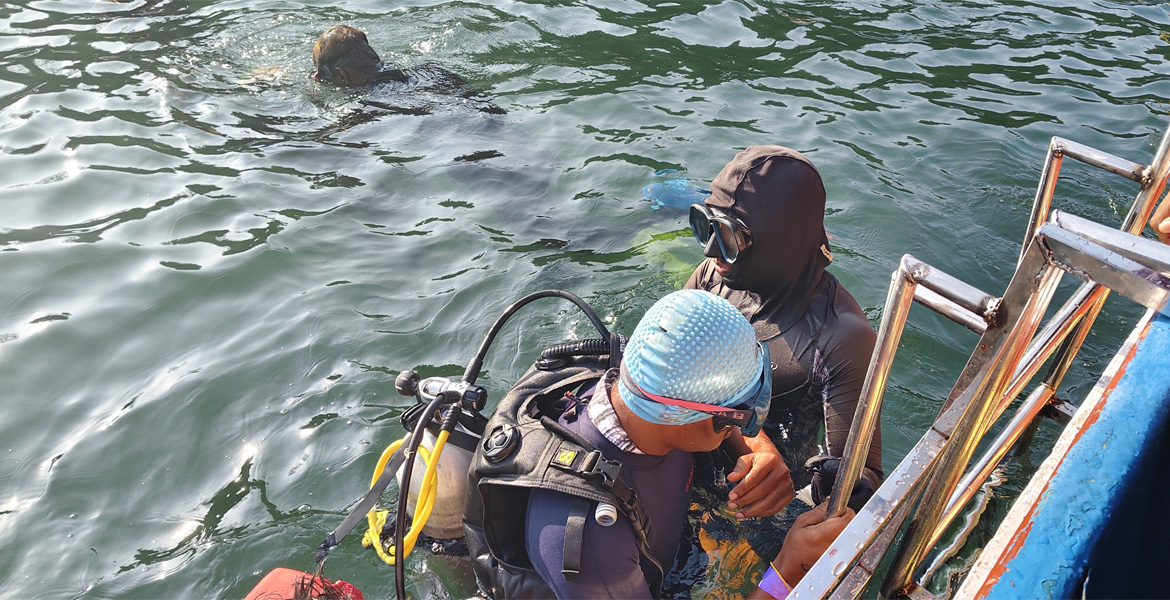
Grande Island basically steals the spotlight as the epicentre of scuba diving spots in goa. It’s off the coast of Vasco da Gama, and it pulls in marine biodiversity like a quiet magnet. The island is also sheltered from harsh open ocean currents, so on the best months visibility can be almost startlingly clear. Divers often spot schools of parrotfish, angelfish, and butterfly fish and, darting damselfish among shallow coral patches.
If travellers are the type who wants a bit of maritime history, Suzy’s Wreck is one of those sites travellers don’t want to skip. This submerged British cargo ship lies in relatively shallow, safer waters near Grande Island. Over the years, the old metallic frame has basically turned into a built-in artificial reef, with soft corals, fan corals, moray eels, and groupers moving in. It gives travellers a genuine shipwreck exploration feeling, without the extreme depths most wreck divers usually chase.
Uma Guva Reef is a proper little paradise for macro photography lovers. Travellers get lush hard and soft coral gardens, bright and busy in the most scenic way. The location is known for calm, picture perfect conditions, where divers can spot crustaceans, blue-spotted stingrays, and sometimes even juvenile reef sharks resting against the sandy seafloor.
Sail Rock is reserved for experienced, certified divers only. This one has a noticeable rock pinnacle that rises sharply from the seabed, and because it sits further out in open water, travellers have to deal with stronger currents. The trade-off though is worth it, because divers can come away with sightings of larger pelagic species, including huge barracuda schools, tuna, and eagle rays.
Sea conditions really decide whether the Arabian Sea feels friendly or stubborn. If a traveller understands the seasonal rhythm, travellers can schedule a lot better:
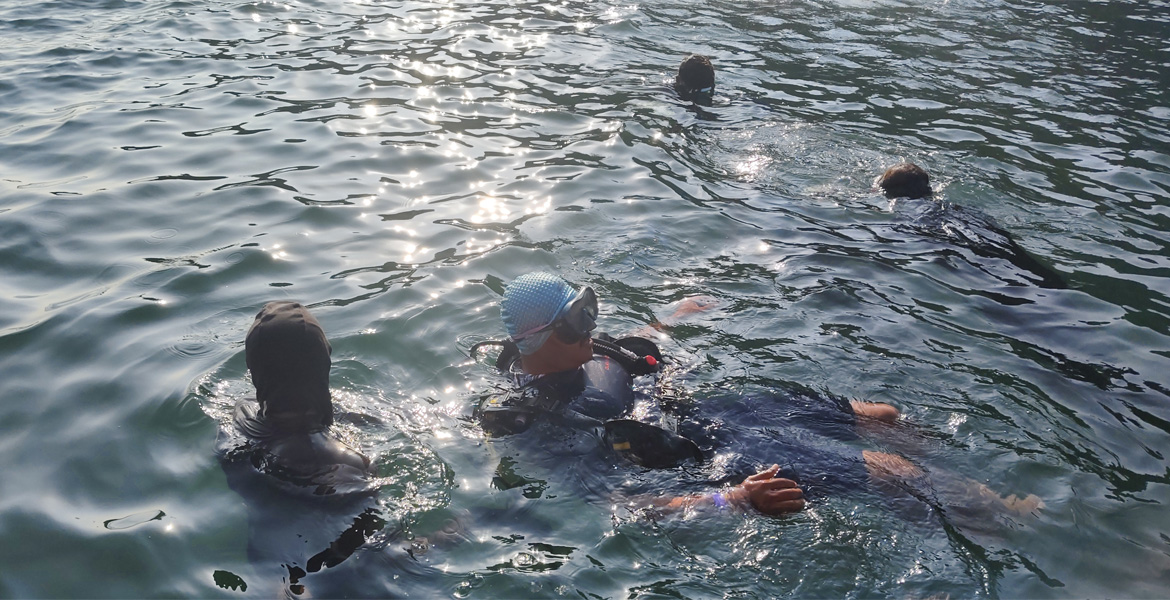
New people usually ask what, exactly a so called intro package means. A trusted PADI-certified dive shop mostly sticks to the same general rhythm, so everything feels safer… and honestly more enjoyable even if travellers never done before.