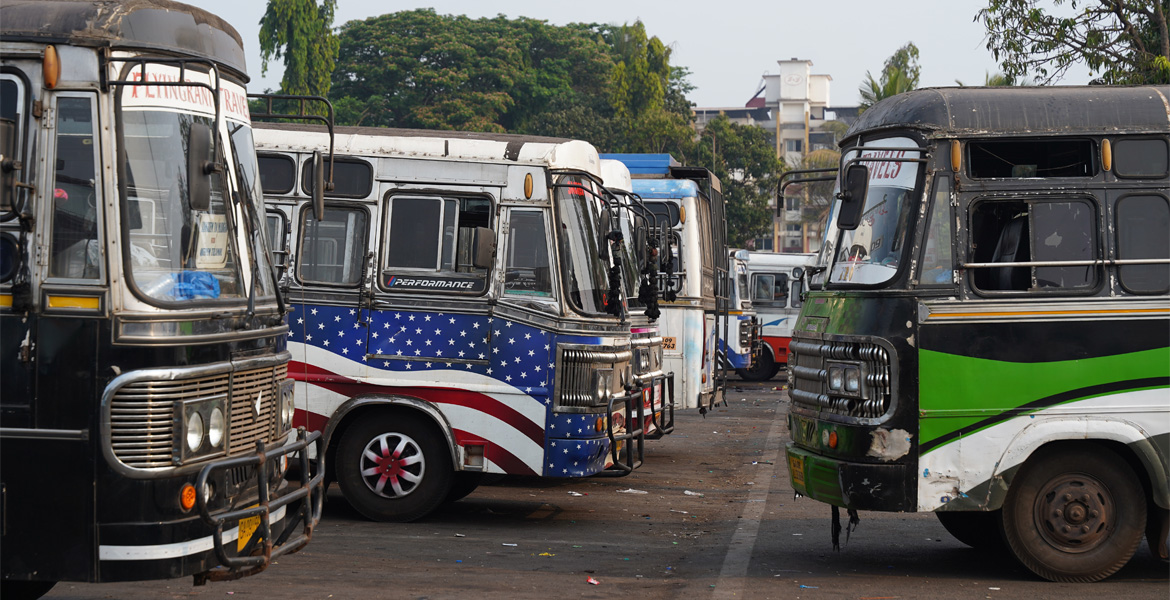
Transport - Bus in Goa
Goa is kind of famous, for its sun-drenched beaches Portuguese vibes, and that vibrant nightlife that never seems to end. Sure, lots of people rent a scooter or call private cabs, but moving around via public bus transport feels more “real” and honestly it’s a budget plan that keeps traveller in the middle of everything. When traveller get how the Goa bus network works, both travellers and locals can glide through the state in a smooth way, from the busy city terminals to those quieter routes that snake past emerald paddy fields, the buses really do act like the lifeline of Goan public transit.
Overview of the Goa Bus Ecosystem
In Goa, the bus transport system runs like a dual setup, with state-run services on one side and privately owned stage carriages on the other. Together, they help the routes reach not just the big commercial places but also the more distant coastal villages.
- Kadamba Transport Corporation (KTC):Started by the Government of Goa, KTC is basically the state transport operator running a huge fleet of blue and red and white buses. They cover big intercity routes, cross-state connections and those high-frequency point-to-point shuttle runs.
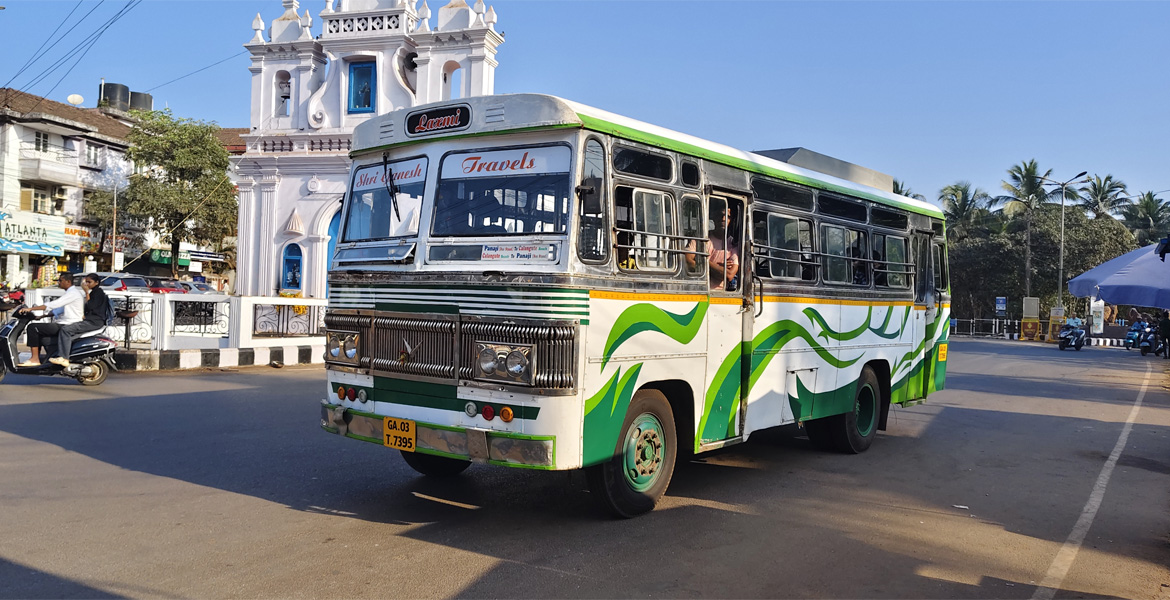
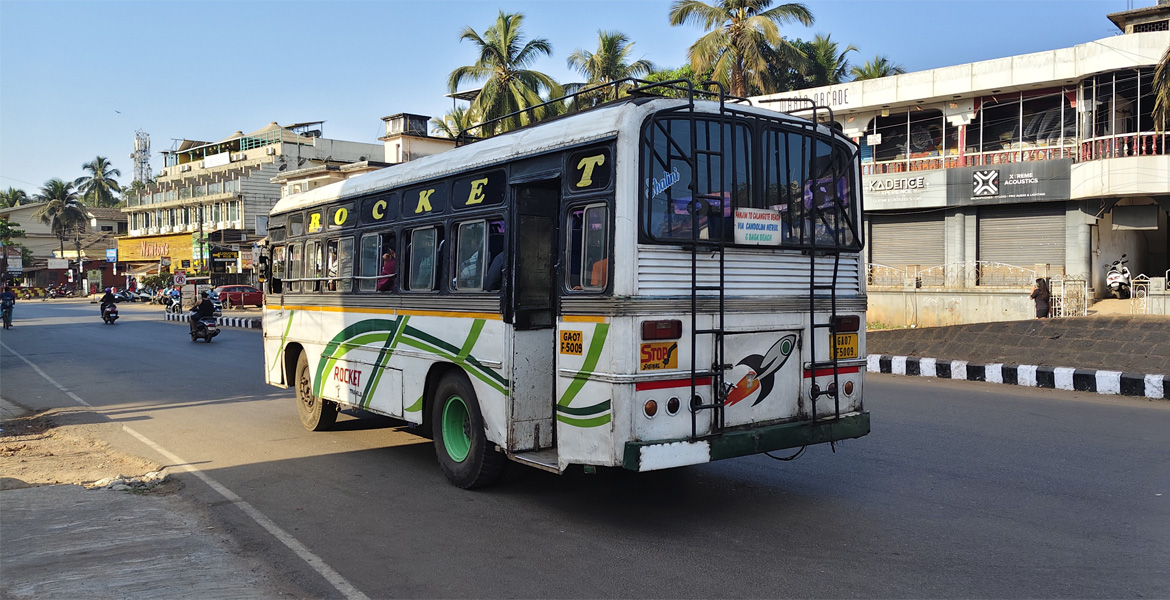
- Private Local Buses:These are owned privately, with bright colours and they work under regional permits. They are the core of local travel, linking inland villages to municipal centres and bigger towns nearby.
Kadamba Transport Corporation (KTC):
The State Transit Backbone KTC buses have been operating since 1980, and they’re often linked with steady service, safety, and a travel structure that feels organized. The corporation runs several key depots, including Panaji, Margao, Vasco, and Porvorim, and it also handles many major bus stands across the state.
Key Offerings by KTC:
- Shuttle Services: These are often run as basically non-stop or with very limited stops, with point-to-point AC + non AC buses linking commercial hubs like Panaji, Margao, Mapusa, Vasco, and Ponda. People tend to use them a lot for everyday commutes, plus work trips.
- Interstate Connectivity: KTC also ties Goa to nearby states such as Maharashtra, Karnataka, and Telangana. A traveller will likely spot regular services starting from Panaji and Margao heading to Mumbai, Pune, Bengaluru, and Kolhapur, among other places.
- Airport Shuttle Services:Air conditioned electric buses and shuttles run between Manohar International Airport (Mopa), Dabolim Airport, and major tourism hubs like Panaji, Mapusa, and Calangute.
Navigating Local Private Buses in Goa
If travellers are moving for short distances across North Goa or South Goa, local private buses show up everywhere. Catching one of these buses is sort of a mini event, because it gives traveller a quick window into everyday Goan life.
- Route Identification: The destination info is normally shown on the front windshield. And if travellers are unsure, commuters can confirm the route by asking the conductor or driver just before boarding.
- Ticketing System: These local buses usually use manual tickets managed by a conductor who moves around. The fares depend on distance, starting with small base rates for short hops like 2 to 3 kilometres, so it often becomes the cheapest travel option.
- Frequent Stops: Unlike KTC shuttles, local buses may stop basically anywhere along their designated route, so there are many stops, which can make the ride longer, but it also improves access for more people.
Major Bus Terminals and Hubs
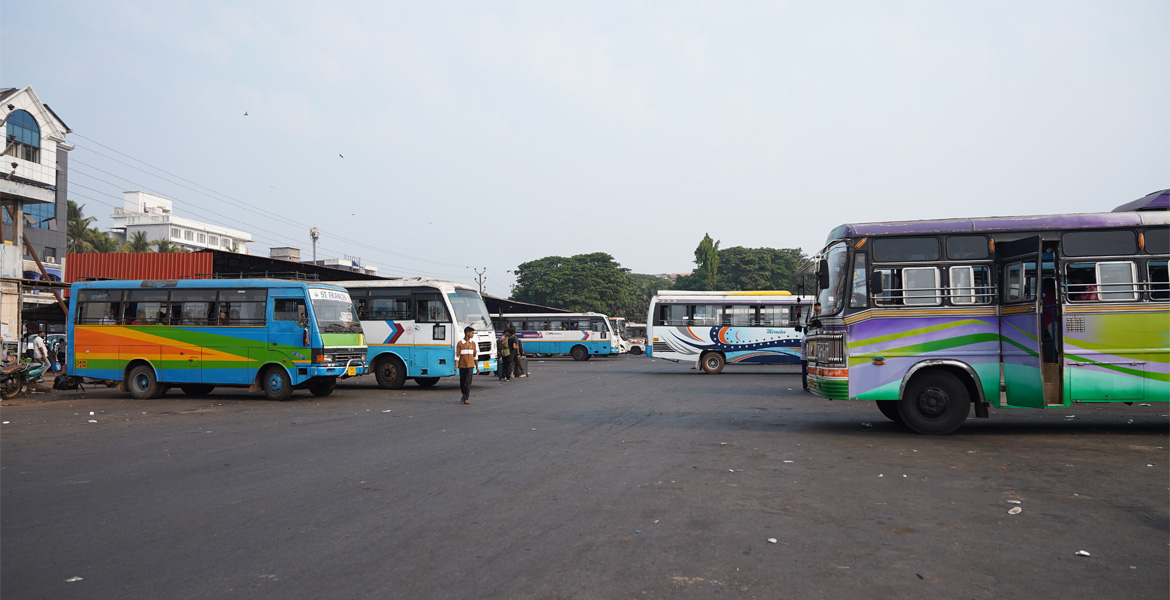
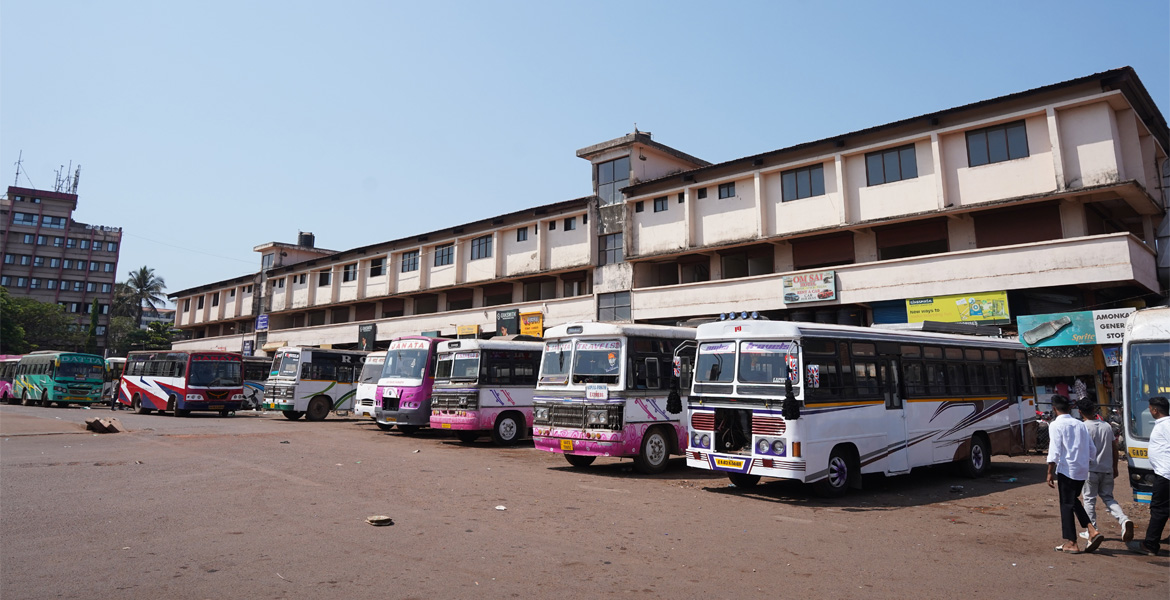
To move around efficiently by bus in Goa, it helps a lot to get comfortable with the main bus stands, and yeah, in practice this can feel a bit messy at first. Most places come with ticket counters, waiting areas, and some nearby eateries that kind of pull traveller in anyway.
- Panaji KTC Bus Stand (Patto Centre): Basically the central nerve for state-wide travel, it deals with huge volumes of intercity, interstate, and also local city routes.
- Margao Bus Terminal: Covering South Goa, this broad terminal manages connections toward the interior coastal belt, major cities, and even neighbouring Karnataka.
- Mapusa Bus Stand: The key transit hub for North Goa, very crowded, especially with travellers going toward Anjuna, Vagator, Calangute, and Mandrem.
- Vasco da Gama Bus Stand: Placed close to the railway station, so people arriving by train can connect smoothly to coastal and commercial zones.
Ticketing, Fares, and Smart Transit Initiatives
The government and transport authorities keep making public transit in Goa better, with modernization that is honestly pretty noticeable if traveller looks close enough. Like, traveller can feel it in the day to day, even if nobody is making a big speech about it.
- Affordable fare structure: Bus travel stays exceptionally economical. Stage carriage tariffs are kept under tight control by the state transport authority, so everyday commuters are usually not squeezed too hard. Extra, small fees may apply for air conditioned electric buses and that part is pretty normal.
- Digital integration: Smart transit portals and digital ticketing on select routes help passengers track timings and plan itineraries more smoothly. For longer interstate journeys, operators like FlixBus and private Volvo services also push online seat reservation through different travel apps.
Tips for Traveling by Bus in Goa
- Carry Cash: Digital payments are spreading fast in bigger depots, but many local private bus conductors still want exact change or small denomination notes.
- Check Timings in Advance: The big routes and shuttles run often, from morning until late evening, but rural frequencies shrink a lot after sunset.
- Confirm the Route: If traveller are headed to remote beaches or lesser-known heritage spots, always ask the bus conductor and verify that it goes there directly, or if it needs a transfer at a major junction.
Using the bus transport network in Goa goes beyond just commuting, it turns into a chance to feel the region’s tempo, culture, and scenery more personally. Whether traveller are catching a fast KTC shuttle between commercial centres or hopping onto a local rural bus to reach a quiet coastline, public buses stay a vital, reliable cornerstone of Goan travel infrastructure.