Email Us

Bookings and Support


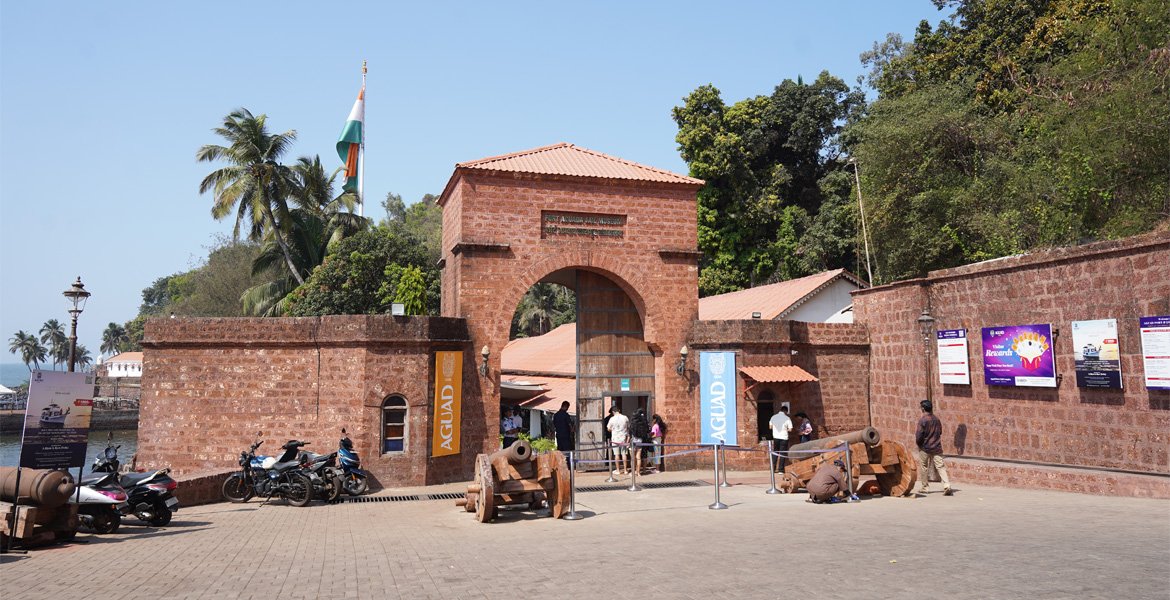
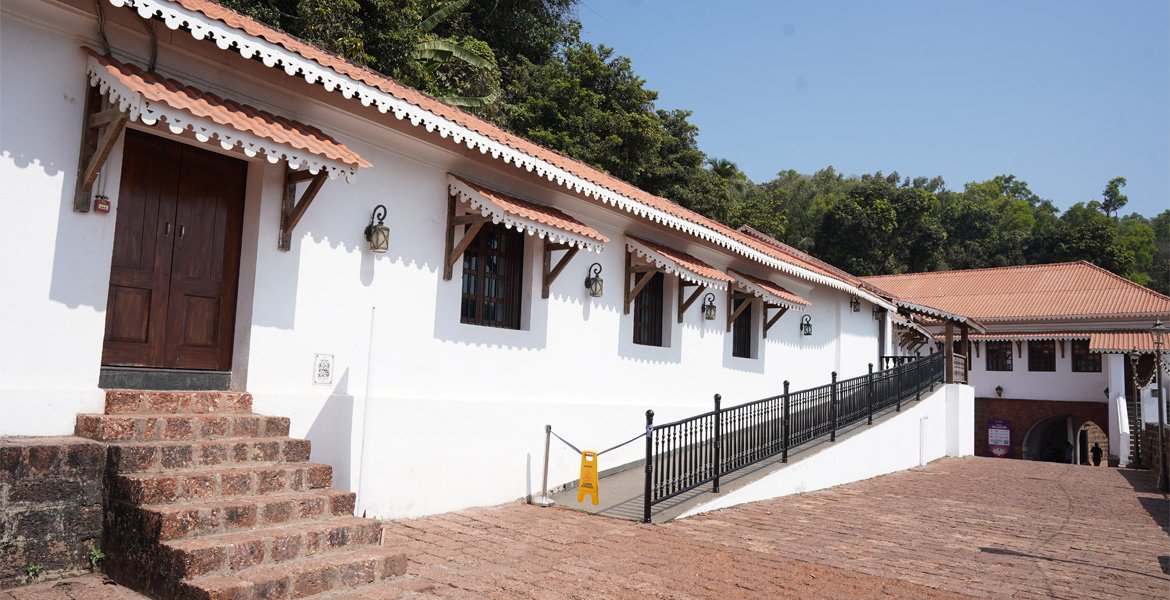
At the southern tip of the Sinquerim peninsula, kind of perched like it means business, overlooking that big open stretch where the Mandovi River finally meets the Arabian Sea, travellers will find the Aguada Fort and Jail standing there, solid and hard to miss. For a long time, this place was basically the face of colonial defense and maritime muscle. Now though, it has been reworked into the Aguada Jail Museum, and somehow it feels both heavier and more alive, like a cultural snapshot travellers can walk through and actually think about.
Not really a normal museum kind of deal, it works like a time capsule. It keeps alive decades worth of memories about Goa’s freedom struggle, the way colonial rule shifted over time, and the stubborn resolve of people who were locked inside those stone boundaries. If travellers’ the type who wants Goa beyond beaches and sun, this museum gives a quiet but immersive and reflective pathway into a complicated past.
To truly grasp what traveller’s looking at in the Aguada Jail Museum, travellers have to circle back to how it started. Fort Aguada was built in 1612 by the Portuguese, and its first job was defense—Portuguese territory had to be protected from Dutch and Maratha attacks. The word “Aguada” comes from the Portuguese term for water, and it refers to the freshwater spring inside the fort complex. That spring, once was a proper watering stop for merchant ships passing across the Indian Ocean, so it wasn’t just symbolic, it was practical.
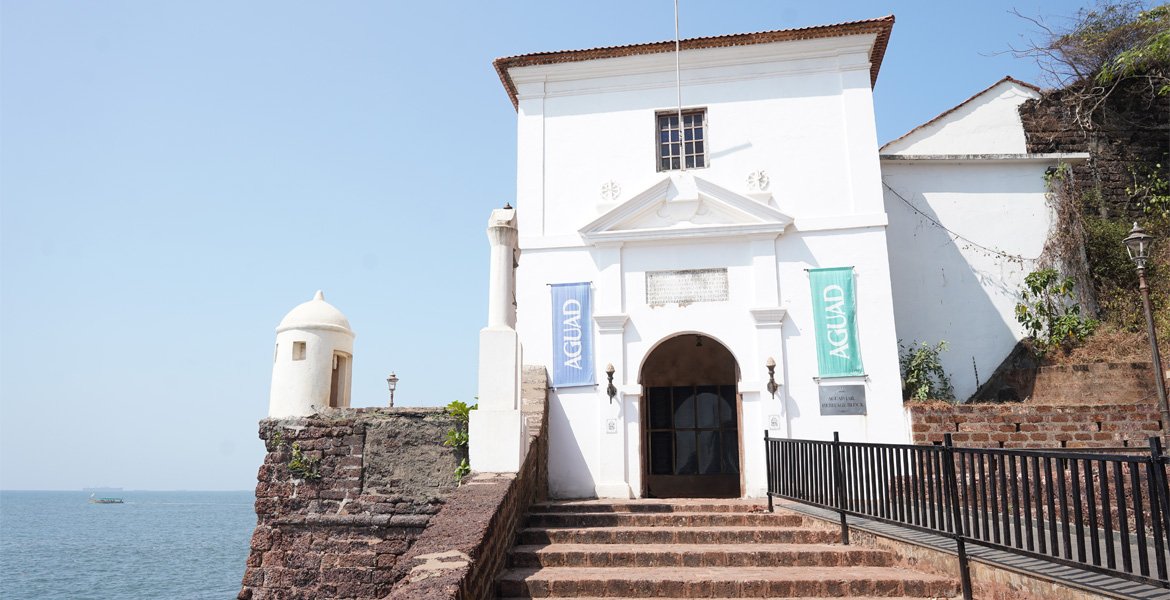
Even if the lower fort mostly acted like a military strong point and watering station, parts of the complex later shifted into a high security correctional space. During the colonial years, and especially during the Goan liberation movement, the prison kept notable freedom fighters—people who had the nerve to dispute Portuguese dominance.
Visiting the museum feels like stepping into colonial military design, then watching it slowly morph into penal adaptations. It sits only a short drive away from Candolim and Calangute, and the complex pretty much rewards travellers with panoramic coastal views that don’t really behave like “background scenery” , they insist on attention.
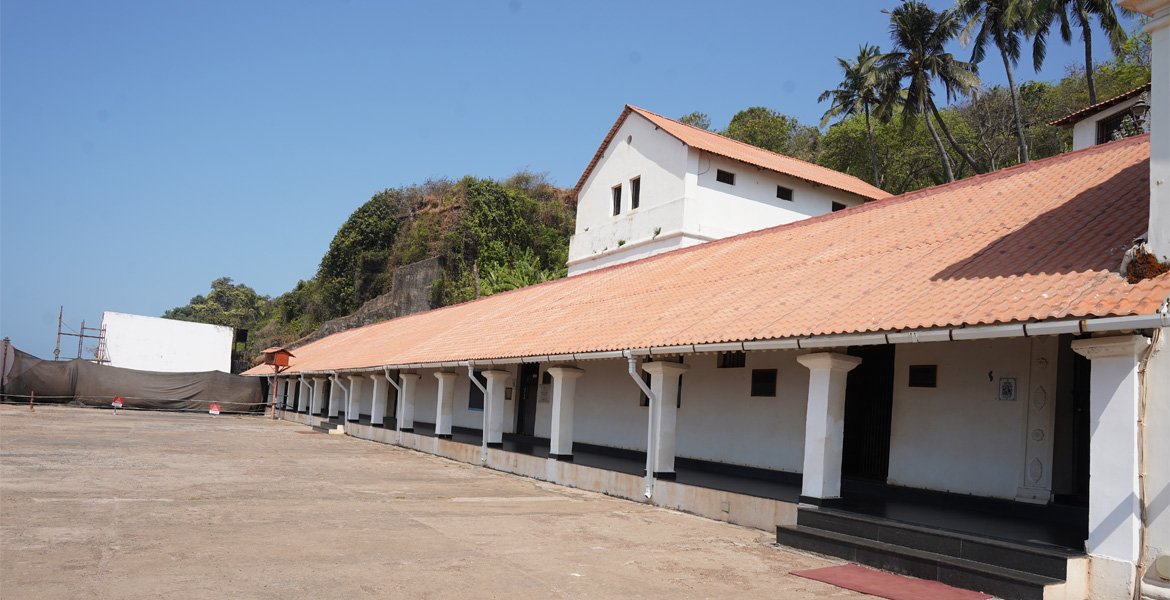
The museum’s curation keeps the original jail atmosphere—stark and sobering—while adding modern interpretive touches.
The Aguada Jail Museum is planned to pull travellers in through both real objects and contemporary storytelling. As travellers walk, a few zones tend to stand out:
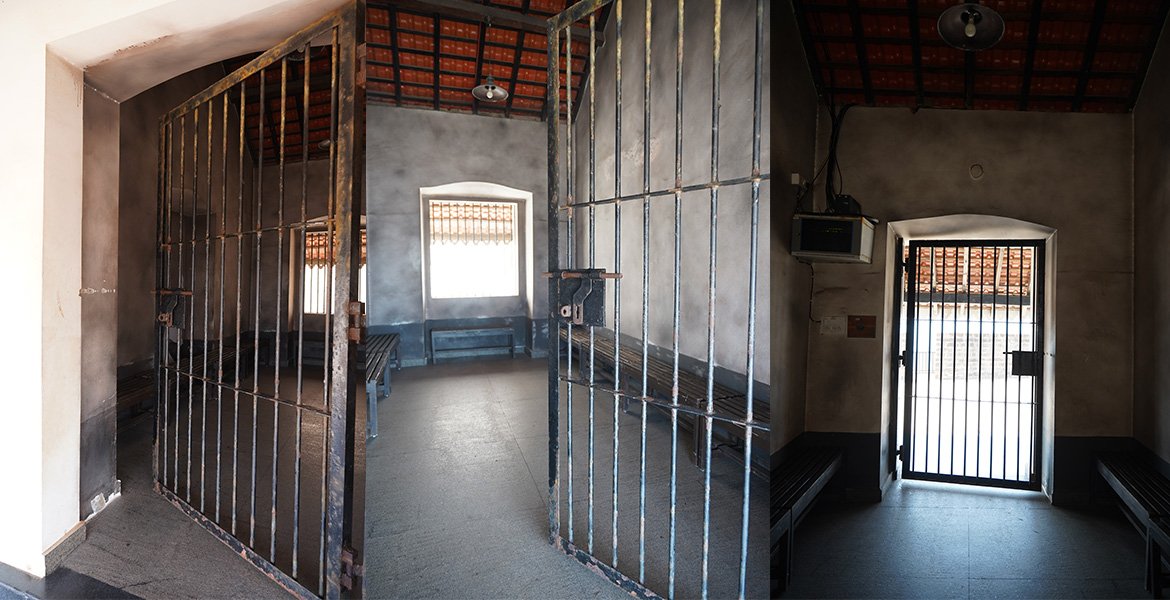
This is basically the museum’s emotional center, honouring the unsung people behind liberation. Biographical details, rare documents, and handwritten letters help bring forward individuals like Dr. T.B. Cunha, Ram Manohar Lohia—whose 1946 protests in Margao helped spark the freedom movement—plus many local satyagrahis.
Past the political storyline, the museum also leans into maritime commerce, colonial administration, and the socio political atmosphere of Goa across the 17th to 20th centuries.
The museum grounds are broad, so it’s not just indoor corridors and panels. Because of its clifftop placement, it ranks among the best sunset viewpoints in North Goa. Travellers can stroll along the ramparts, catch the sea breeze, and notice how heritage conservation and scenic tourism end up fitting together instead of clashing, even if the history here is anything but light.
Planning a trip to the Aguada Jail Museum (sometimes people call it the Aguada Jail, but its full name is better to use) needs a couple of logistical things, so travellers’ day doesn’t get all rushed and travellers can actually enjoy everything.
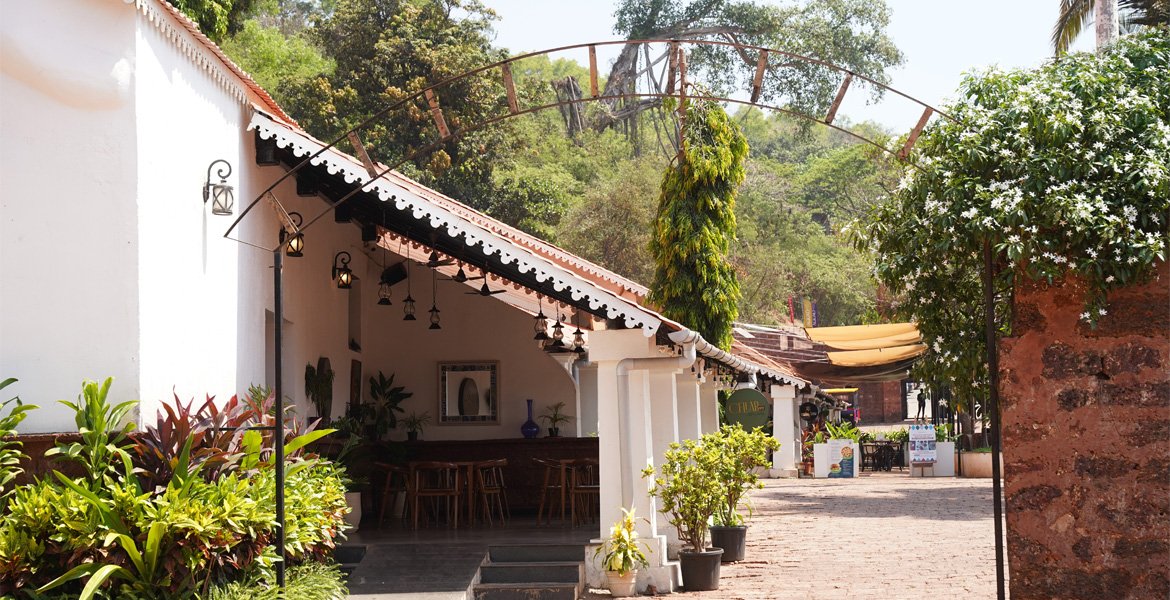
For years, tourism in Goa was mostly tied to its beach scenes, loud nightlife, and Portuguese-era churches. But then cultural landmarks like the Aguada Jail Museum start shifting the focus, toward heritage tourism that feels more meaningful.
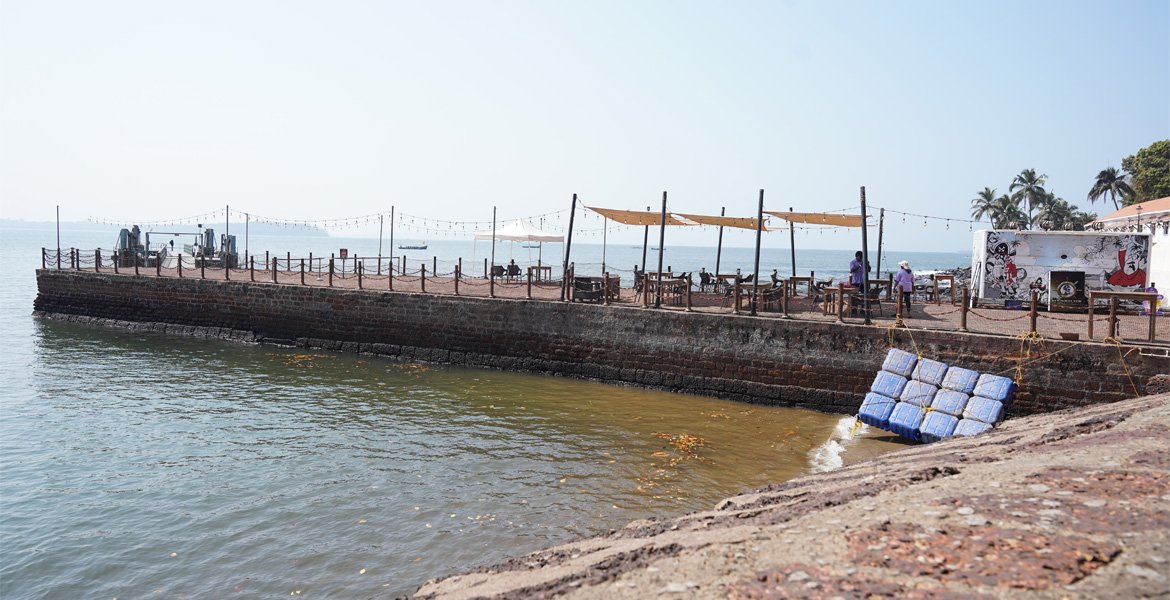
Today, travellers’ often look for immersive and educational experiences not just “see and leave”. By bringing attention to indigenous hardships and Goa’s regional history, the museum gives a different kind of storyline than the usual resort-holiday path.
Because of its careful archiving, clear timelines, and the preservation of rare documents, the place becomes a strong learning ground for students, historians, and researchers. People study colonial history, penology, and also the broader Indian independence movement here, in a more grounded way.
The restoration of the Aguada complex works like a real conservation reference point in India. Turning a deteriorating, abandoned prison into a top-level museum—without damaging the structural core—shows how older sites can be reused in order to educate and motivate later generations.
The Aguada Jail Museum is way more than restored jail cells and old artifacts. It stands like a serious reminder of human endurance, it honours those who traded their liberty for freedom, and it opens a view into the layered heritage of Goa, in one place.
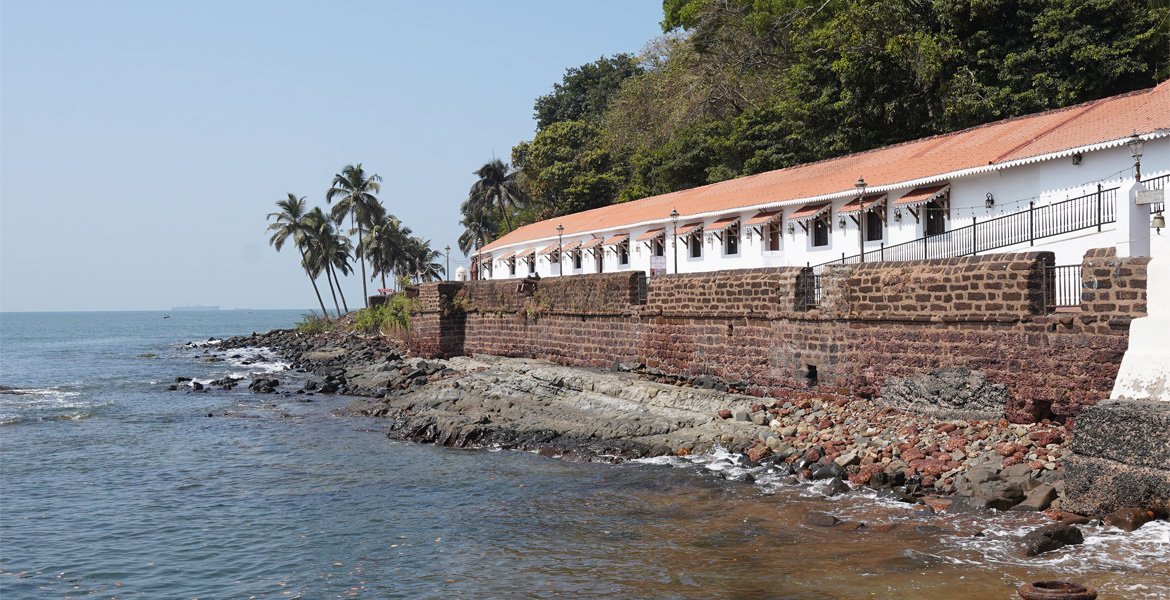
Whether traveller’s a history fan tracking the routes of freedom fighters, or a curious travellers trying to understand Goan culture beyond the coastline, or even a photography enthusiast hunting for golden-hour shots over the Arabian Sea, this iconic cliff top stop tends to reward travellers. Make travellers’ plan for the Aguada Jail Museum on travellers’ next North Goa trip, and see for travellers self the stubborn, resilient spirit of a region written in stone, sea, and memory.
10.00 AM ONWARDS
| INDIAN CITIZENS | |
|---|---|
| ADULT | Rs. 300 |
| SENIOR CITIZEN | Rs. 150 |
| CHILD 08-15yrs | Rs. 150 |
| INDIAN ARMED FORCES* / GOA FREEDOM FIGHTERS & FAMILIES* *VALID ID CARD REQUIRED |
FREE |
| LOCAL GOANS WITH VALID RESIDENT ID | |
| ADULT | Rs. 150 |
| SENIOR CITIZEN | Rs. 75 |
| CHILD 08-15yrs | Rs. 75 |
| INTERNATIONAL TOURIST | |
| ADULT | Rs. 600 |
| CHILD 08-15yrs | Rs. 300 |
CHILDREN UNDER 8 YEARS OF AGE - NO ENTRY FEE