Email Us

Bookings and Support


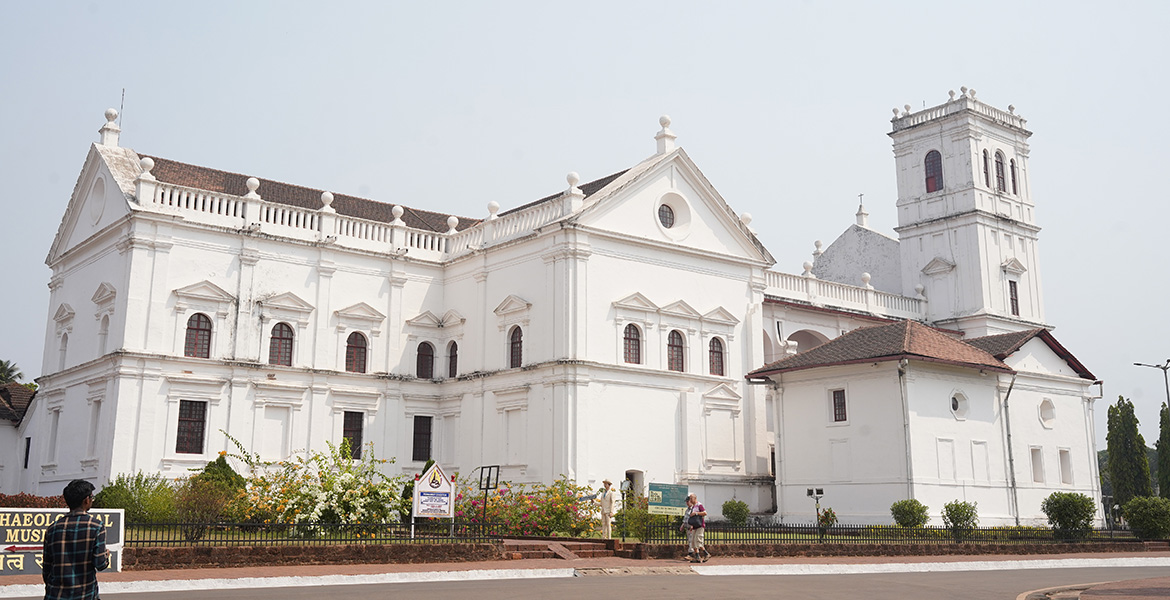
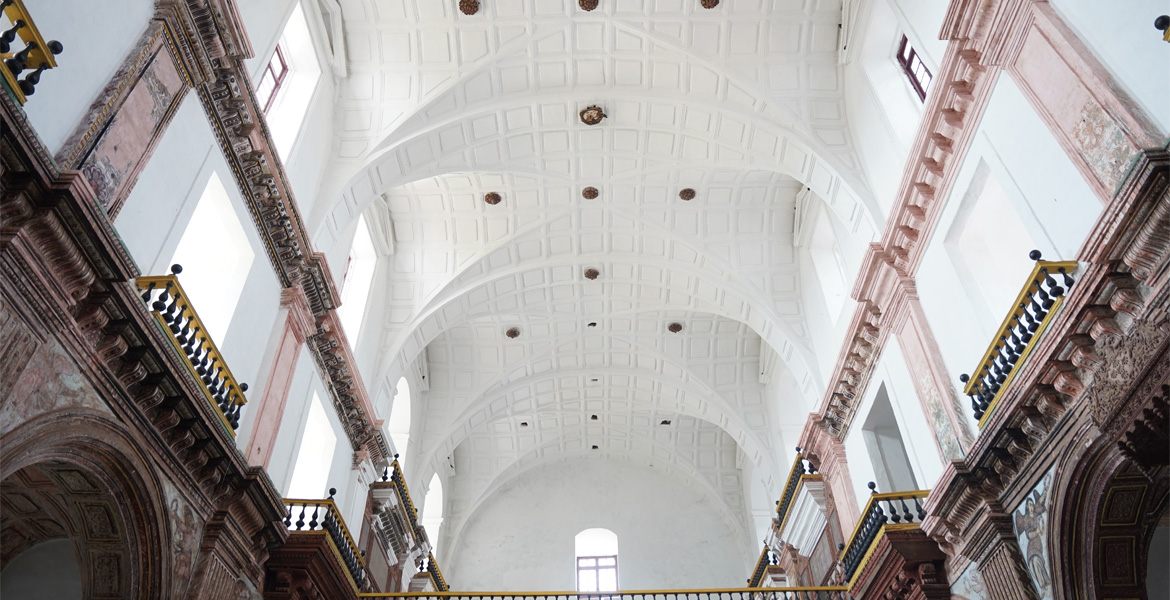
In Old Goa, this St. Francis of Assisi Church feels like one of those quiet, big deal colonial-era places that everyone keeps talking about. It’s basically known for Portuguese architecture; it’s very detailed interiors and the whole religious importance around it, so travellers who like history, culture, heritage tourism and architecture often stop here. Plus, being surrounded by old monuments, little museums, local snacks spots and scenic neighbourhoods, the St. Francis of Assisi area also works well for premium villa rentals. Those are great for families, couples or group travellers who want privacy and comfort in Goa without feeling boxed in.
The church was first built in 1521 by Portuguese friars and then reconstructed in 1661. Because of that, travellers still get the sense of Portuguese colonial grandeur, but with layered design influences. The whole structure blends Manueline and Baroque elements and they will see decorative altars, carved woodwork, frescoes and those kinds of ornate interiors that look carefully planned.
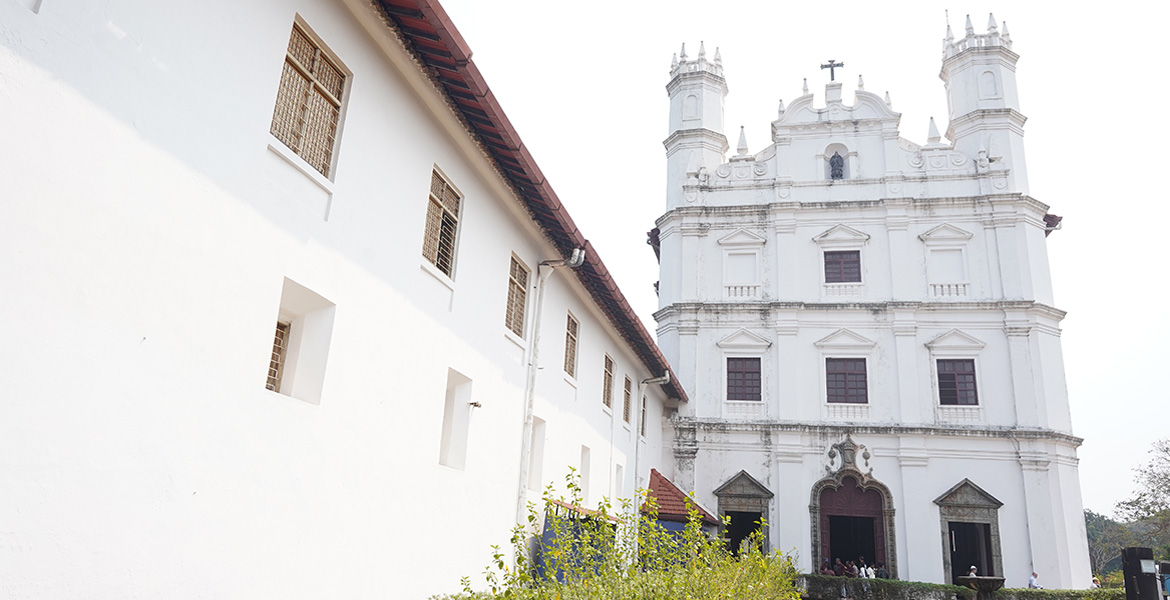
It is dedicated to Saint Francis of Assisi and he is often considered one of the more influential religious figures within Christianity. The elegant façade, plus the preserved interiors, makes it one of the most visited heritage stops in Goa. Right near the church traveller will find the Archaeological Museum of Goa, and that place holds artifacts, sculptures, portraits and historical displays tied to Goa’s colonial past.
As part of the UNESCO World Heritage Sites in Old Goa, the church attracts visitors from around the world and is featured on many heritage sightseeing itineraries.
Inside, the craftsmanship is really the headline. The main altar is richly decorated and it portrays St. Francis of Assisi, while the walls carry floral patterns and biblical scenes, all inspired by Portuguese religious traditions. The ambiance feels calm and the details are the kind travellers don’t rush through.
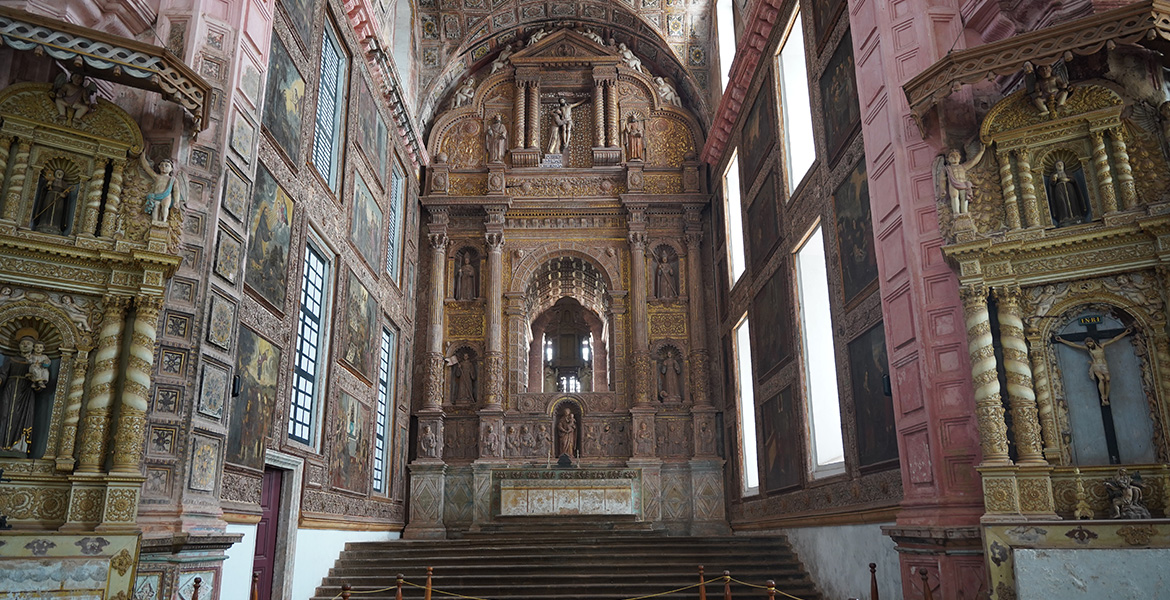
Key architectural features include:
Because the area around the church has a heritage vibe, it becomes a solid spot for photography, sightseeing and anything historical traveller want to explore slowly.
Old Goa is basically packed with famous places and most of them are kind of near the church, so it works well if traveller just wants to walk a bit or take a quick ride.
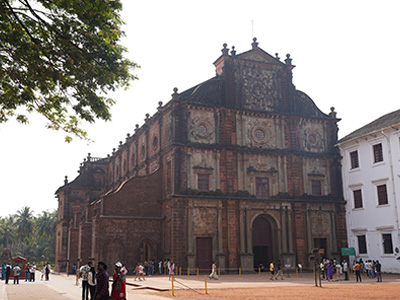
This one is, sort of, one of Goa’s most iconic churches; the Basilica of Bom Jesus keeps the mortal remains of St. Francis Xavier. It’s UNESCO-recognized and people come in huge numbers every year, not only for religious reasons but also for the historical vibe.
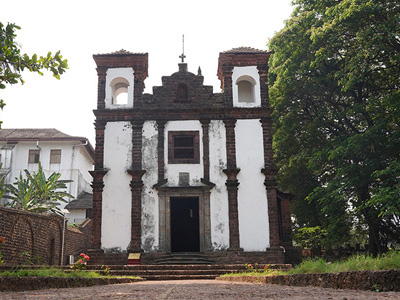
Se Cathedral is listed among the largest churches in Asia and it’s famous for Portuguese-Gothic style, plus those huge prayer halls. It actually sits directly opposite the Basilica of Bom Jesus and yes it becomes part of Goa’s well-known heritage circuit.
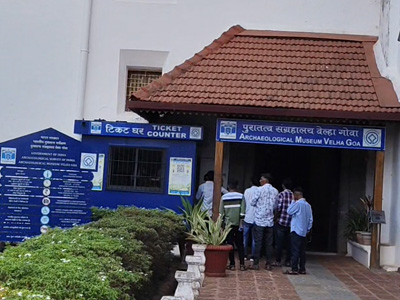
Right beside St. Francis of Assisi Church traveller will find the Archaeological Museum of Goa. Inside are Portuguese-era sculptures, coins, manuscripts, portraits and different artifacts, all of it gives a decent look at Goa’s colonial past, in a slower, more personal way.

Divar Island can be reached by ferry, and it feels a little calmer, like a quieter corner of Goa. Traveller gets scenic roads, Old Portuguese homes, village churches and that countryside scenery. Cycling tours and photography excursions, both are pretty popular here.
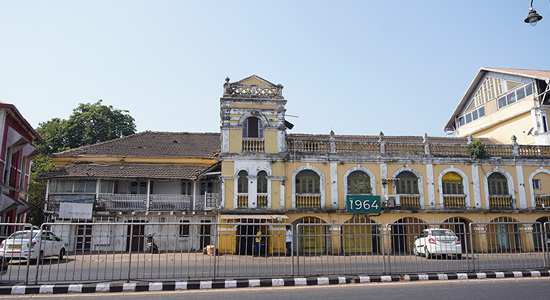
Panaji, the capital city of Goa, is just a short drive from Old Goa. Traveller will find colourful Latin Quarter streets, riverfront promenade walks, shopping areas, casinos, cafés and several cultural hotspots.
Around Old Goa and Panaji there are quite a lot of restaurants and cafés that serve authentic Goan food, seafood specials and Portuguese-inspired meals. It’s a nice mix, casual places and heritage-style spots too.
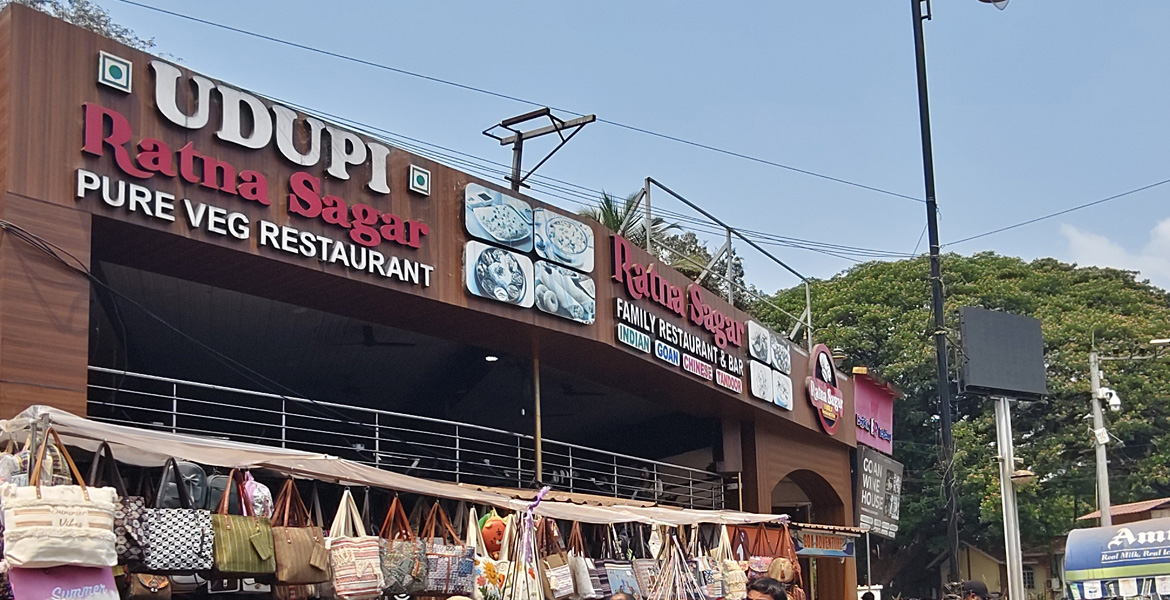
Near Old Goa, many local restaurants tend to serve things like:
A lot of heritage-style restaurants also keep colonial-era interiors, with riverside seating that kind of feels slow and scenic.
If travellers eat along the Mandovi River, they can get views during sunset, plus sometimes live music. Seafood restaurants around Ribandar and Panaji are especially a hit with visitors who are exploring Old Goa first.
Panaji and Fontainhas have those charming cafés, bakeries, and coffee houses where traveller can try pastries, sandwiches, espresso-based drinks and some fusion dishes, served in artsy little spaces.
The area around Old Goa offers many cultural and leisure activities depending on how traveller like to travel.
There are guided heritage walks through Old Goa , and they help traveller check out churches, convents, museums and colonial architecture, while traveller learn more about the Portuguese history of Goa.
Mandovi River cruises, usually starting from Panaji, often include music performances, traditional Goan dance shows and sunset sightseeing.
Cycling around Divar Island and the nearby villages lets traveller reach scenic countryside roads, paddy fields and older Portuguese neighbourhood pockets.
Religious celebrations and heritage festivals in Old Goa pull in travellers who enjoy local traditions, church ceremonies and Goan cultural events that happen through the year.
The best season to visit St. Francis of Assisi Church and nearby villa stays is between November and March, when the weather is pleasant for sightseeing, beach trips and outdoor plans. Even monsoon season, from June to September, can be great since it brings lush greenery and also quieter travel vibes, good for heritage tourism.
St. Francis of Assisi Church is still one of Goa’s major heritage landmarks, combining spiritual value with genuinely striking colonial architecture. And for people looking for villa rentals nearby, the options tend to be comfortable and more luxurious, with privacy and convenience, plus easy access to heritage sites and also North Goa’s lively lifestyle destinations.
There are a good number of luxury villas and private holiday homes within a short drive of Old Goa. Staying near the church is popular for travellers who want spacious, restful accommodations away from busier hotel zones, but still want easy connection to North Goa’s beaches and major attractions.
Luxury villas near Old Goa usually come with a mix of comfort and privacy, like:
Places like Ribandar, Panaji, Candolim, Porvorim and Nerul are commonly chosen for premium villa stays, since they’re still reachable for visiting St. Francis of Assisi Church without too much hassle.