
Email Us

Bookings and Support


When travellers think about India’s coastal paradise, they usually picture sun-kissed beaches, Portuguese-style architecture, and those lively beach shacks. But honestly, just past the shoreline there’s this whole retail universe going on and yeah it matters a lot for how the place feels. Shopping in Goa is kind of wild in the best way, with everything from loud, colourful flea markets under swinging palm trees, to quieter designer boutiques tucked inside charming ancestral lanes.
If travellers are trying to track down boho-ish clothes, native spices that smell like they’ve been freshly ground, or handmade silver items, traveller will still find something worth carrying home. Still, getting around this coastal shopping circuit takes a bit of sense—like knowing where to look for local gems, how to negotiate without being awkward, and which hidden stops are actually worth the time.
No real shopping day in Goa feels complete without hitting the legendary weekly, open-air bazaars. These spots really show the free-spirited mood that’s been shaping the state for years.
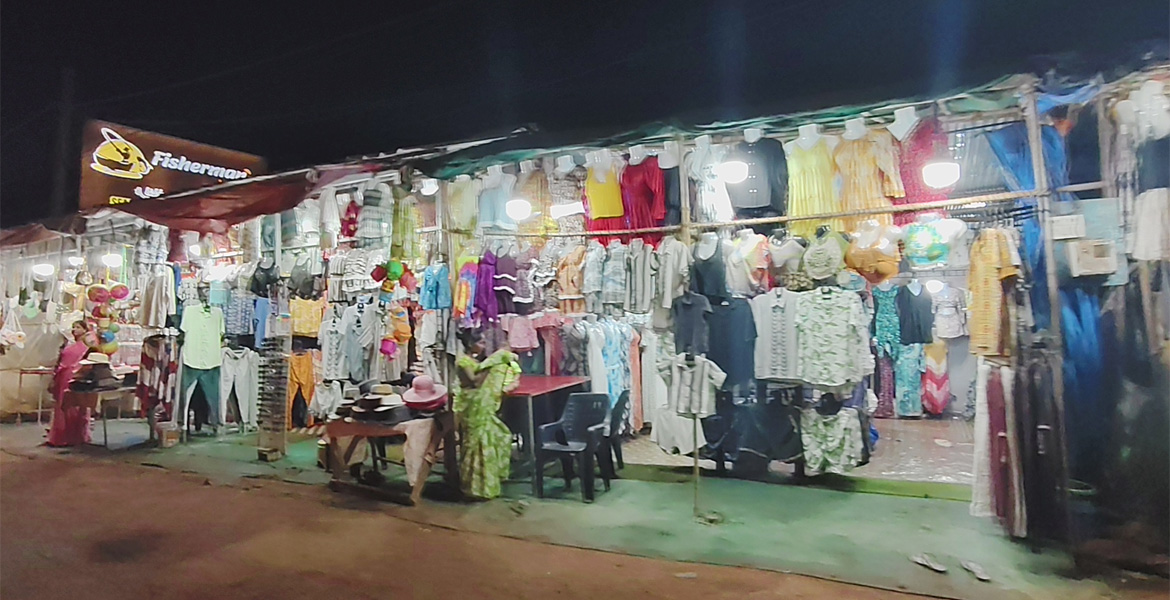
Held every Wednesday along the southern stretch of Anjuna Beach, the Anjuna Flea Market is widely seen as North Goa’s top shopping spot. It started decades ago with travellers wandering in, and over time it grew into this huge weekly bazaar with sellers from all over.
Once the daytime heat goes up, the scene shifts. After sunset, the night markets in North Goa feel less like normal shops and more like open-air street celebrations.
Running every Saturday evening, usually starting late afternoon and going into the early hours, the Arpora Night Bazaar feels like a full-on sensory show. The market is split into sections, so traveller can bounce between local handicrafts, and also some higher-end fashion pieces.
This one sits along the Baga River, and it mainly comes alive during peak tourist season, from November to April. The vibe is similar to Arpora, with riverside meals plus rows of curated items—antique-style pieces, faux jewellery, and art works that lean more “collectible” than every day.
For travellers who want to see, like, the everyday Goan vibe away from the usual tourist lane, the municipal daytime markets are honestly a solid window into how local trade really runs.
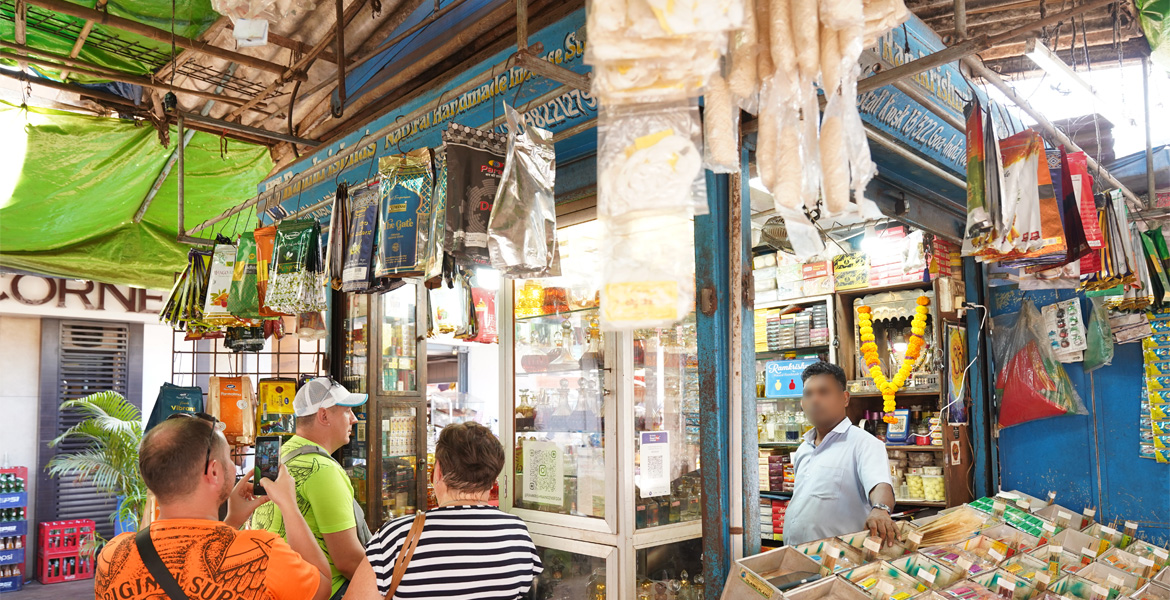
This happens every Friday morning right outside the Mapusa Municipal Market, and yeah it gets lively fast. Locals come in to buy and sell regional stuff, while farmers, potters, and spice traders roll in from nearby villages to show off what they’ve brought.
In Panjim, the state capital of Panaji, the Panjim Market mixes modern retail ease with the more traditional vendor stalls. A lot of visitors say it’s the neatest, most organized municipal area in the broader region too.
Over the last few years the shopping scene has grown into something higher end, with concept stores and sustainable fashion corners showing up. Places like Assagao and Ashwem have kind of shifted into real slow-fashion territory, where traveller will see organic textiles, plus contemporary art vibes, everywhere.
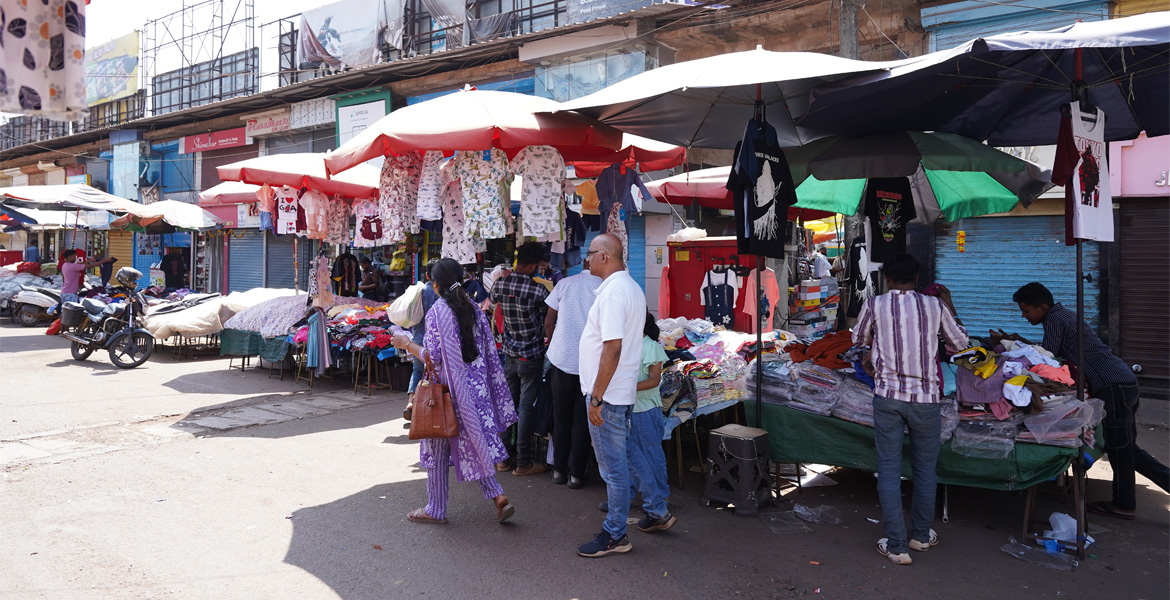
Shopping in Goa isn’t only about collecting items—it feels more like a cultural exchange. Whether travellers are uncovering vintage brass trinkets from a roadside seller, or putting money into modern resort wear at an artisanal concept store, the area seems to fit pretty much every style, taste, and budget. When traveller mix visits to historic municipal hubs with relaxed evenings at the night bazaars, traveller can actually catch the region’s real essence, then bring home a piece of its lively heritage too.