Email Us

Bookings and Support


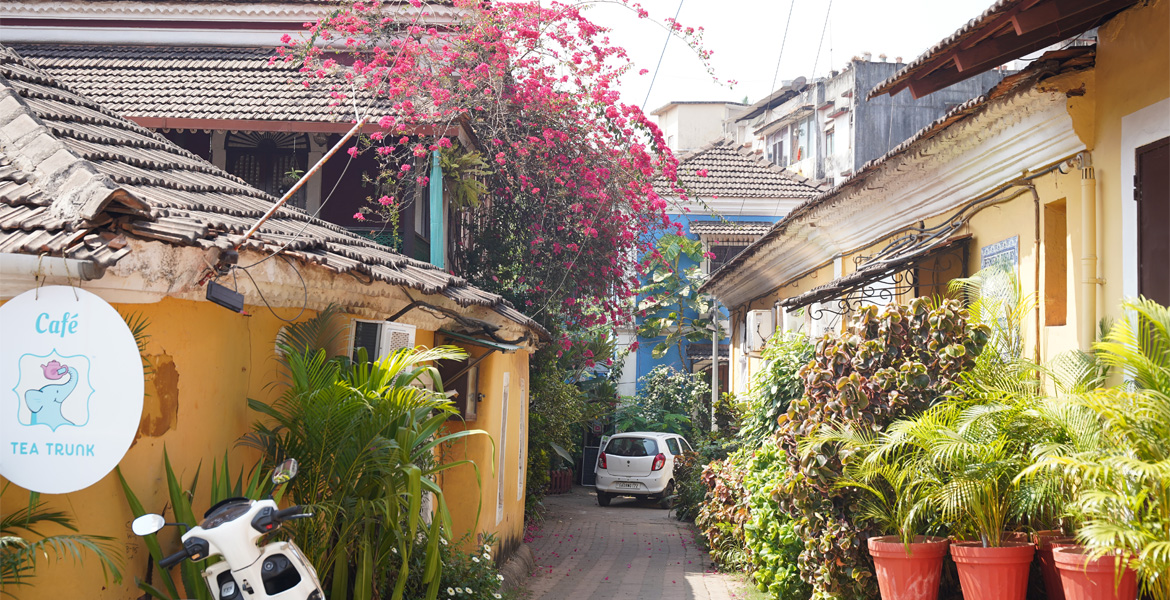
Fontainhas Latin Quarter is in the middle of Panaji and honestly it feels like one of the most culturally important spots in Goa, yes even if it’s not huge. Traveller will notice it right away: super narrow, winding lanes, bright Portuguese houses, tiled roofs and that kind of old-world, almost calm atmosphere. This area kind of shows the colonial heritage of Goa and also that artsy vibe people talk about. For travellers, it stays a big pull, especially if traveller wants architecture, some history, local food and boutique stays not too far from the lively capital.
Fontainhas started during Portuguese rule and, still today, it keeps much of its older traveller plus those European-inspired visuals. On many streets traveller see yellow, blue, red and green facades, sometimes all mixed together, very lively. There are also ornate balconies, vintage windows and azulejo nameplates, which makes the district really easy to remember. Nowadays it’s known for heritage walking routes, photo tours and general cultural exploring, like people come here not just to “look”, but to wander.
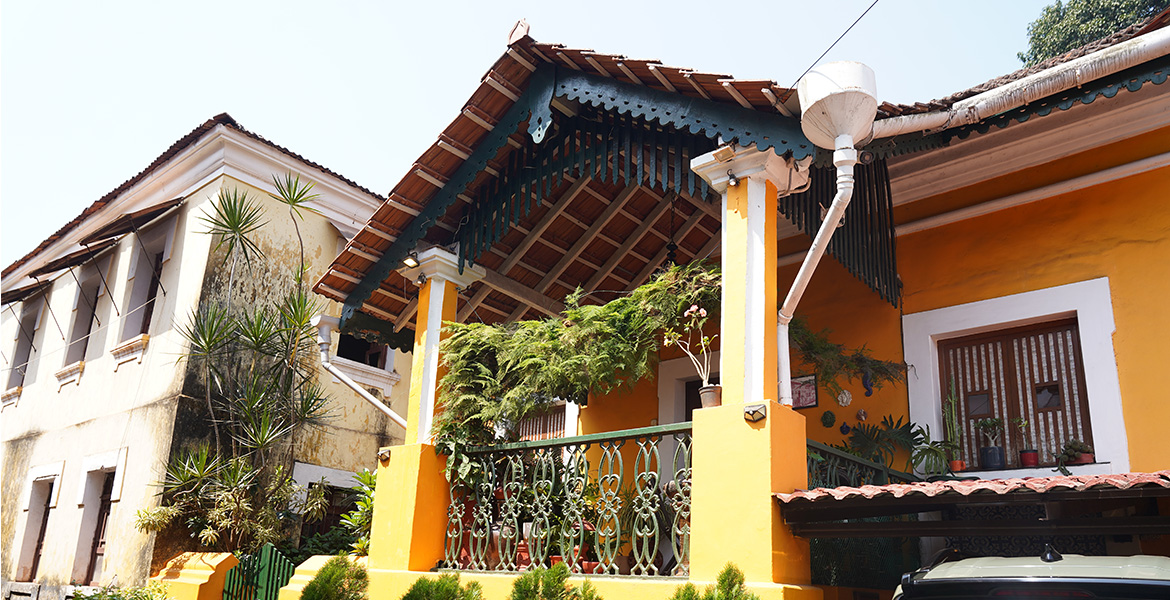
The Portuguese houses around Fontainhas are some of the best colonial-era residential examples traveller can find in Goa. A lot of homes have oyster-shell windows, decorative staircases, overhanging balconies and red-tiled roofs built to handle tropical weather. The streets are narrow, with small squares here and there, so it feels peaceful, almost like it’s missing from the bigger commercial zones.
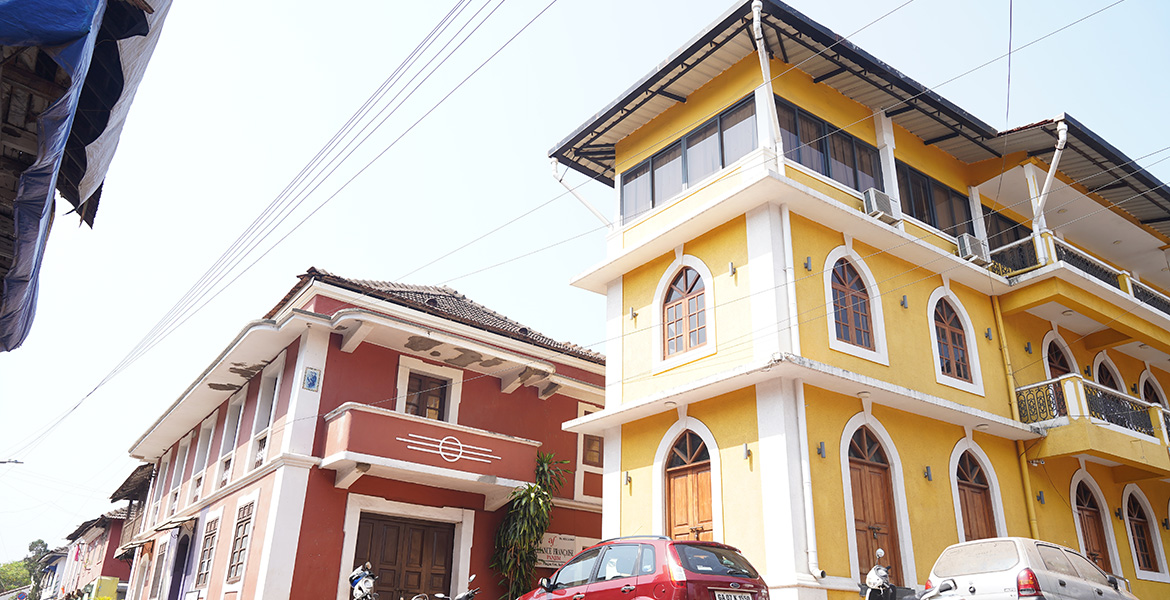
Also, several heritage homes have been turned into boutique guesthouses, art galleries, cafés and cultural centres. Traditional bakeries and family-run eateries still operate inside restored structures, so the neighbourhood keeps its historic mood without feeling staged. And traveller will see that artistic identity in murals, music happenings and annual cultural festivals, which is pretty typical for this kind of place.
Walking through Fontainhas helps traveller spot how Portuguese influence sits side by side with local Indian traditions. The pace here is relaxed, the architecture is preserved and it becomes one of the most photographed locations in Goa, again and again, even if traveller think traveller’ve seen it already.
Within a short distance from Fontainhas, several attractions make it an easy base for sightseeing in Goa.
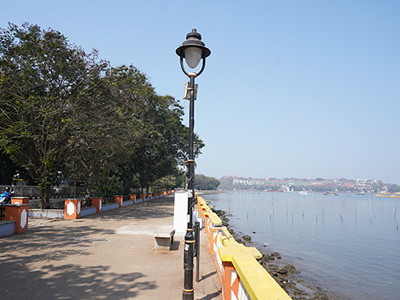
The Mandovi River promenade gives traveller scenic walking paths, evening cruises and dining along the waterfront. Sunset boat rides, plus casino cruises, run regularly through the year, bringing visitors back again and again.
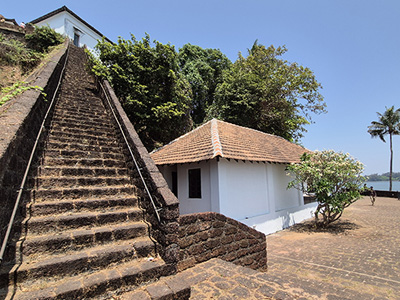
Reis Magos Fort is just a short drive from Fontainhas and it shows restored Portuguese military architecture overlooking the Mandovi River. The fort also hosts exhibitions and cultural events, so it’s not only a “look and leave” stop.
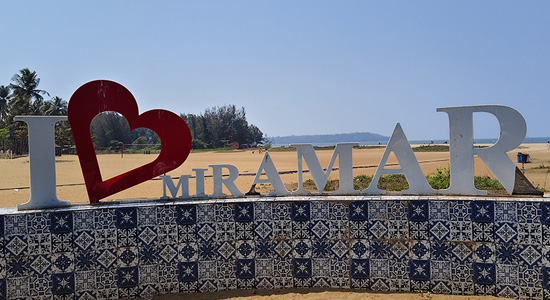
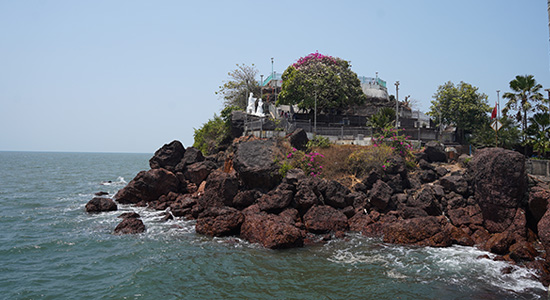
Dona Paula is famous for scenic viewpoints, water sports and luxury dining venues. It’s a go-to place for couples and photographers, mostly because the views stay strong even when the day is ordinary.
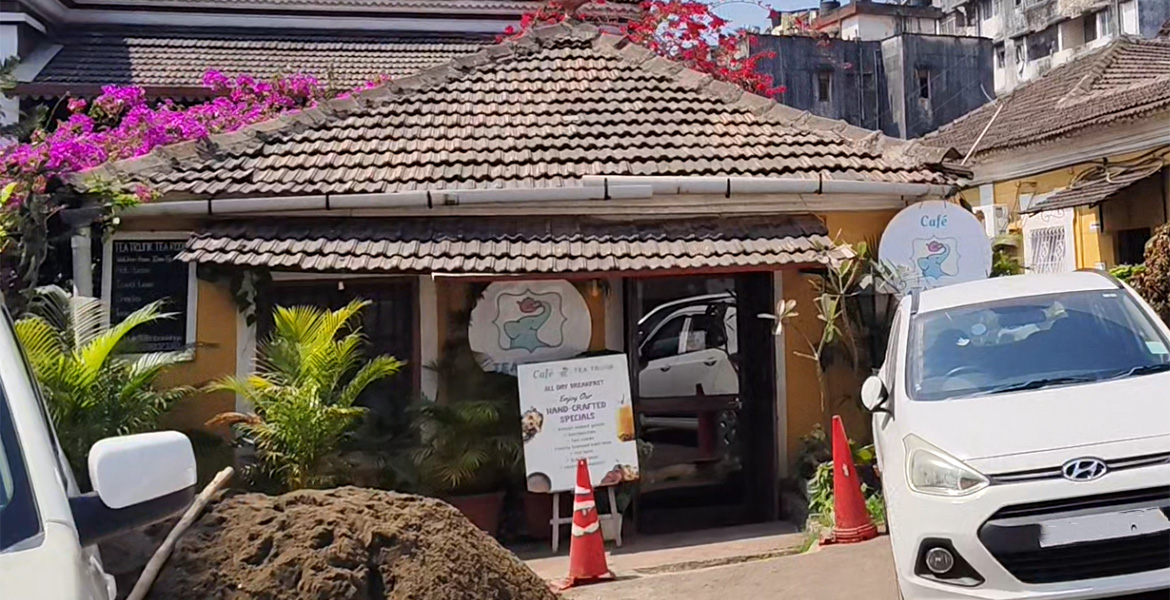
Fontainhas and Panaji have this pretty broad mix of places to eat, going from real Goan flavours to more international food too, sometimes it feels like one moment traveller’re having something traditional and then boom something else. The traditional Goan restaurants usually focus on seafood curries, prawn balchão, vindaloo, cafreal, plus bebinca, which is like that sweet ending people usually don’t skip. A lot of heritage cafés are tucked inside restored Portuguese buildings, so the whole place feels smaller, calmer and a bit old-school with vintage décor, even if traveller just walk in for a quick bite.
On the more popular side, cafés around here are usually praised for artisanal coffee, fresh pastries, local bakery products and also fusion cuisine that somehow work. And then there are rooftop restaurants and riverside dining spots, which make evening meals feel scenic, especially when traveller can look over Panaji and the Mandovi River while the day cools down.
Also nearby in Dona Paula and Miramar, traveller will find a handful of fine-dining establishments that are heavily into seafood platters, continental dishes and modern Goan cuisine. Boutique wine bars and cocktail lounges are growing too, visitors seem to like them a lot when they’re exploring Goa’s urban nightlife scene.
Nightlife near Fontainhas blends this relaxed, heritage sort of mood with newer entertainment options, not too loud all the time, but still fun. Panaji’s bars and lounges pull in travellers who want a calmer alternative to North Goa’s beach party circuit.
Along the Mandovi River, riverside bars usually have live music, cocktails and seating that’s right by the water which makes it feel, well, kind of cinematic, even for a simple drink. Within Fontainhas itself, traveller get heritage taverns serving traditional Goan drinks like feni and they often come with local snacks, plus seafood dishes.
There are also nearby casino cruises that bring gaming, live shows and fine dining all together. Miramar and Dona Paula have lounge bars that throw DJ nights, sunset parties and live bands during the tourist season, so it’s not hard to find something going on.
And sometimes the art cafés or cultural venues inside Fontainhas organize poetry readings, jazz sessions and local music events. It adds to that creative vibe around the district, like traveller notice it even when traveller’s just strolling.
Fontainhas actually offers a good number of cultural and recreational activities, especially for people who care about heritage tourism and local experiences. One big favourite is the heritage walking tours; they’re still among the most popular things in the Latin Quarter. Guided tours usually cover Portuguese architecture, narrow hidden alleyways, art galleries and different historical landmarks across the neighbourhood.
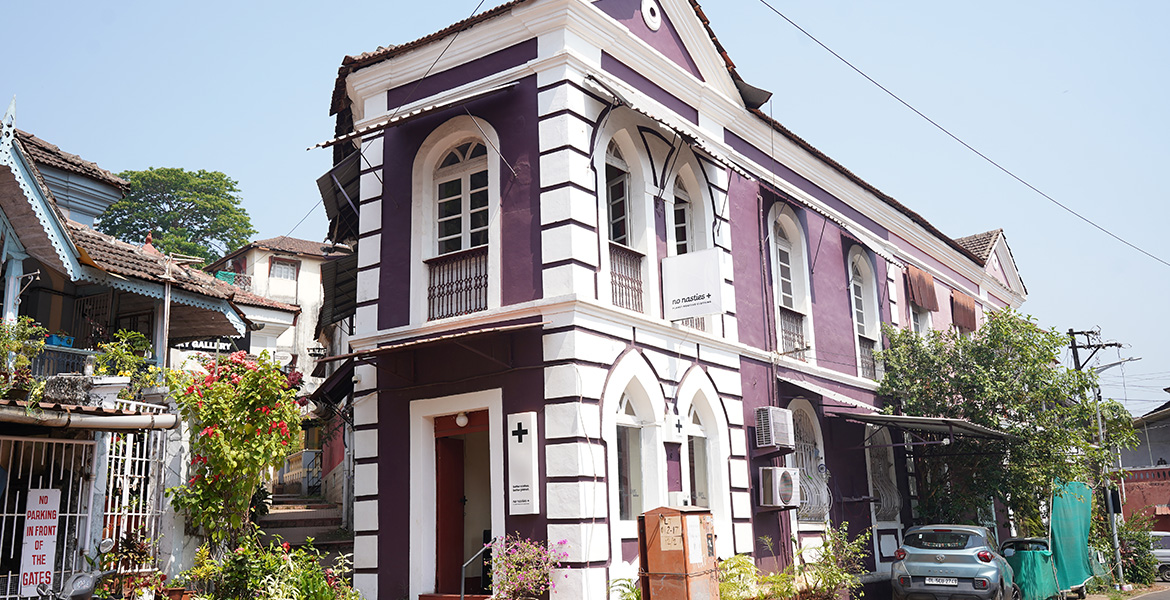
If traveller’re into photography, people often visit specifically for the colourful facades, vintage doors, balconies and street scenes that look almost staged, except they’re not. Art galleries and handicraft stores also show local paintings, ceramics, textiles and handmade souvenirs.
Evening entertainment is easy to find with river cruises along the Mandovi, usually with music and traditional dance performances. For travellers who prefer moving around, cycling tours through Panaji and nearby villages are also commonly arranged, it’s like active sightseeing without feeling too rushed.
Cooking workshops, bakery visits and cultural festivals further round it out, so staying near Fontainhas becomes more than just checking places off a list. The district, with its history, architecture, food and relaxed urban charm, keeps coming up as one of Goa’s most distinctive destinations for villa holidays and cultural exploration — it just has that something.
Villa rentals near Fontainhas combine that heritage charm with city convenience and they also give traveller practical access to nearby beaches. Traveller can find stays around Panaji, Altinho, Dona Paula, Miramar and Reis Magos. These options work well for couples, families, remote workers and groups, so it’s not only for one type of traveller.
Many heritage villas near Fontainhas include Portuguese-inspired interiors, like antique furniture, arched corridors, colourful walls and private courtyards. A lot of restored villas keep original architectural details and then add modern comforts, air conditioning, swimming pools, Wi-Fi, landscaped gardens and even private kitchens.