Fish Markets of Goa
The coastal vibe of Goa is kind of controlled by the Arabian Sea, tidal rivers, and a food legacy that feels totally tied to maritime plenty. Most tourists only lock onto the beach scenes, lights, and late night stuff, but the real day-to-day heartbeat is inside the lively fish markets. If travellers want to get how the local culture works, how the cooking habits evolved and why the coast economy runs the way it does, traveller really do have to drop by these trading spaces.
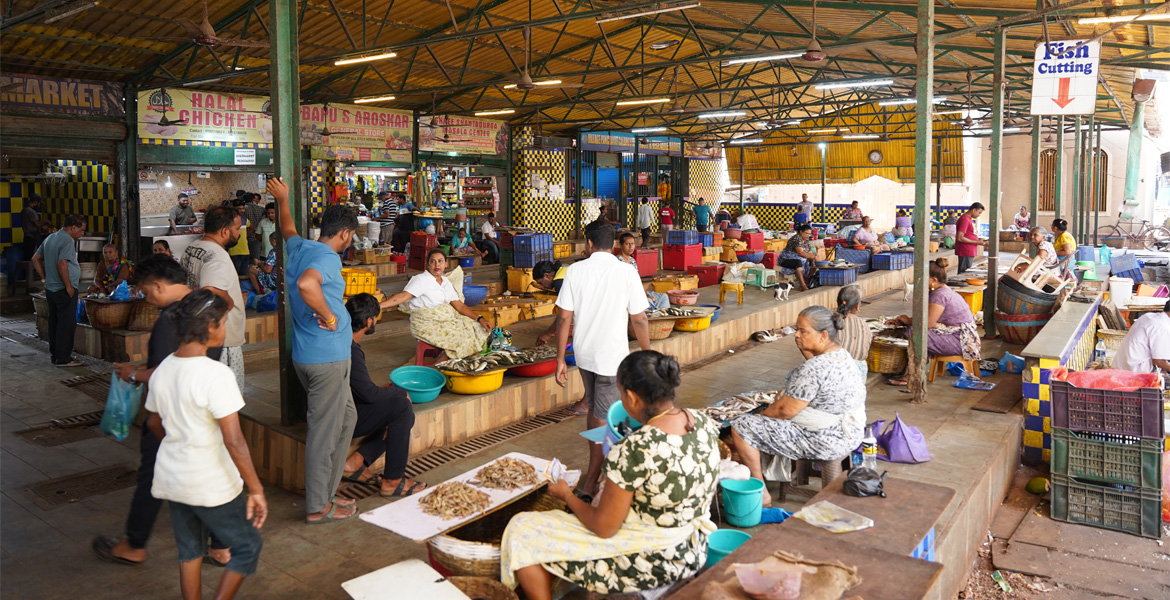
Mostly run by fishing families, across multiple generations, Goan fish markets are fast, loud, and very sensory. The freshest catch from the ocean boats goes straight into the stream of everyday cooking, like it doesn’t even stop to “cool down” at all.
The Cultural Core: "Nuste ani Xitt"
In many traditional Goan homes, the phrase Nuste ani Xitt—fish and rice, basically—stands for more than just what gets eaten. It feels like a base identity marker. When fresh seafood shows up daily it decides what meals happen, it shapes family get-togethers, and it even nudges community life.
Instead of the tidy supermarket aisles, the open-air Goan fish markets keep this communal vibe. They turn into social mixing grounds where local home cooks, restaurant chefs with bigger budgets, and multi-generational fisherwomen (tarvottis and retail sellers) end up chatting, bargaining, arguing a bit, and then doing the daily trade.
The Biodiversity of Goan Waters
Because Goa sits with a long coastline, plus estuaries, plus linked backwaters, the variety of marine and freshwater species can be pretty astonishing. To help visitors read the ice-lined displays without feeling lost, here are the types people often hunt for first:
- Kingfish (Surmai): Often seen as the top fish for frying, usually cut into thick, circular steaks, then worked with a fiery red recheado paste.
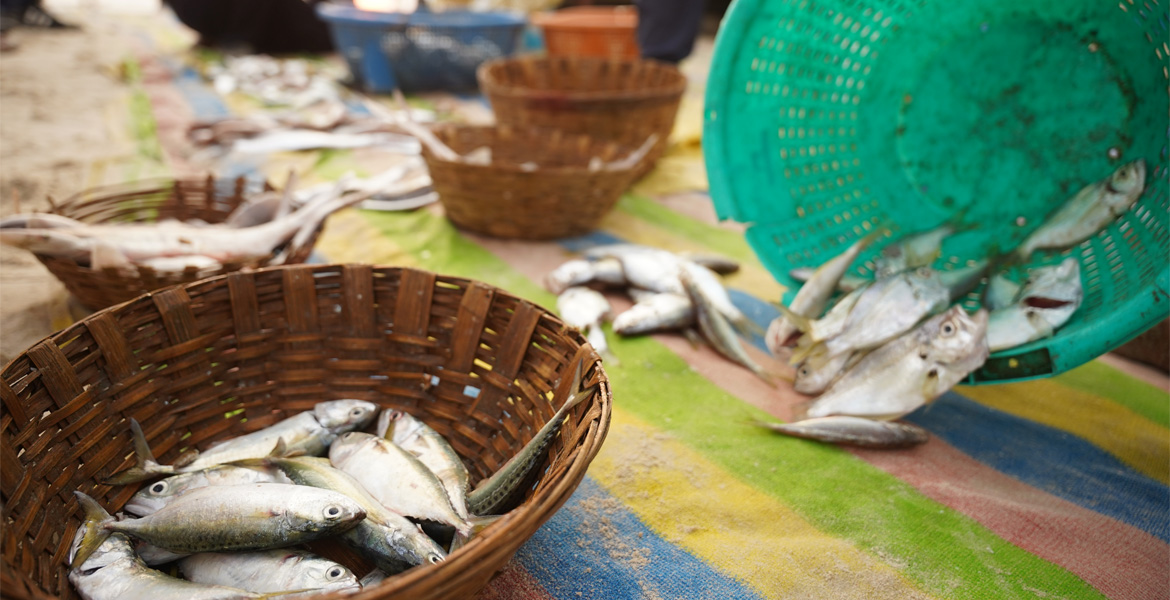
- Mackerel (Bangude): The household “everyday” option, prized for flavour, nutrient value, and the fact that it’s affordable.
- Pomfret (Paplet): A delicate, flat white fish with a soft bite and mild character, usually steamed, fried, or cooked in curry style.
- Indian Salmon (Chonak): A major river-and-estuarine catch, with firm flaky flesh, works well in sour and spicy coconut curries.
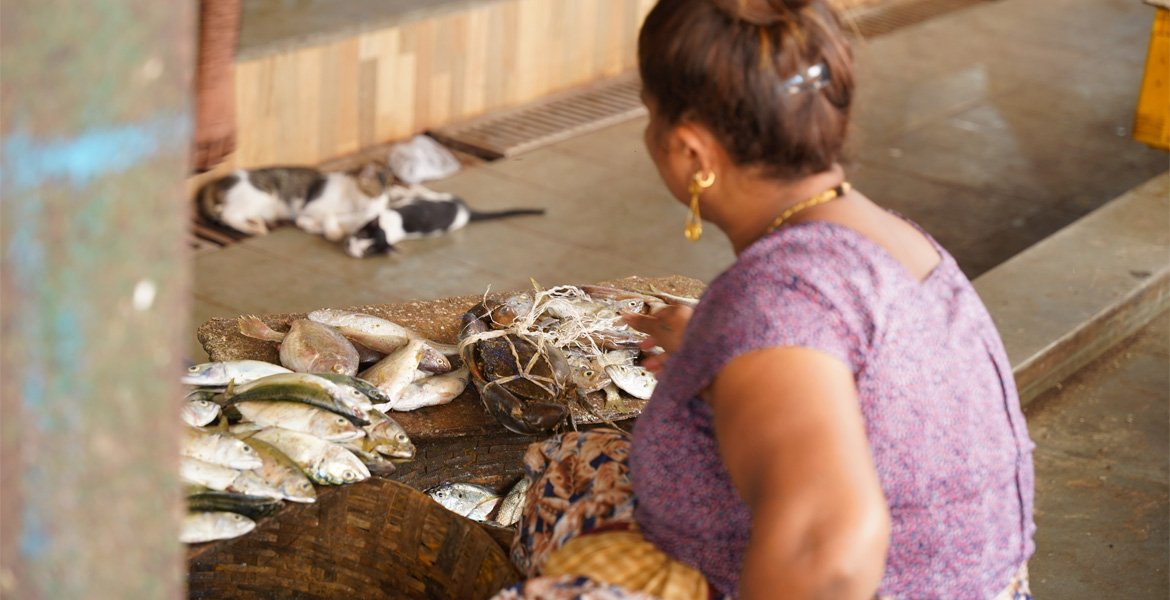
- Prawns (Zinga) and Crabs (Kekle): Come in lots of sizes, from small shrimp-like choices to bigger tiger prawns, and also mud crabs—then they’re often used as the start for deep, aromatic masalas.
- Mullet (Shevtto) and Pearl Spot (Kalundar): Backwater favourites, especially among people who want classic regional dishes, not just whatever is trendy.
Prominent Fish Markets across the Region
Almost every town in Goa has its own market, and they differ in size, atmosphere, and what they tend to specialize in.
1. Margao Wholesale Fish Market (South Goa)
Located in Madel, Margao, it’s basically the heavyweight’s zone for large-scale marine trading in the state.
- Timing: Runs in pre-dawn hours, commonly around 3:30 AM to 7:00 AM, then there’s a second trading moment later in the evening too.
- Overview: Trawler operators and bulk distributors dump in huge quantities of seafood. Restaurant owners, hotel procurement teams, and local shopkeepers arrive while it’s still dark, trying to lock in the freshest inventory at baseline wholesale rates.
2. Panjim Municipal Market (Central Goa)
Right in the centre of Goa’s capital, this market has an indoor fish area that feels more structured than most open spaces.
- Timing: Daily from morning into early afternoon, about 7:00 AM to 1:00 PM, then again from 4:00 PM to 8:00 PM.
- Overview: Usually noted for cleanliness and a systematic layout, it pulls in urban shoppers and culinary tourists together. Traveller can browse a wide set of pelagic fish, squid, shell fish, plus river catches.
3. Mapusa Friday Market (North Goa)
Mapusa already has a daily market, but the Friday version is the one people talk about, like a proper cultural institution.
- Timing: Fridays, early morning through late afternoon.
- Overview: Along with catches like Chonak and Surmai, the market is famous for its dried fish area (Sukha Nuste), plus local Goan pork sausages (Chorizo), and spice vendors who sell the “real” things, giving traveller a fuller picture of regional trade.
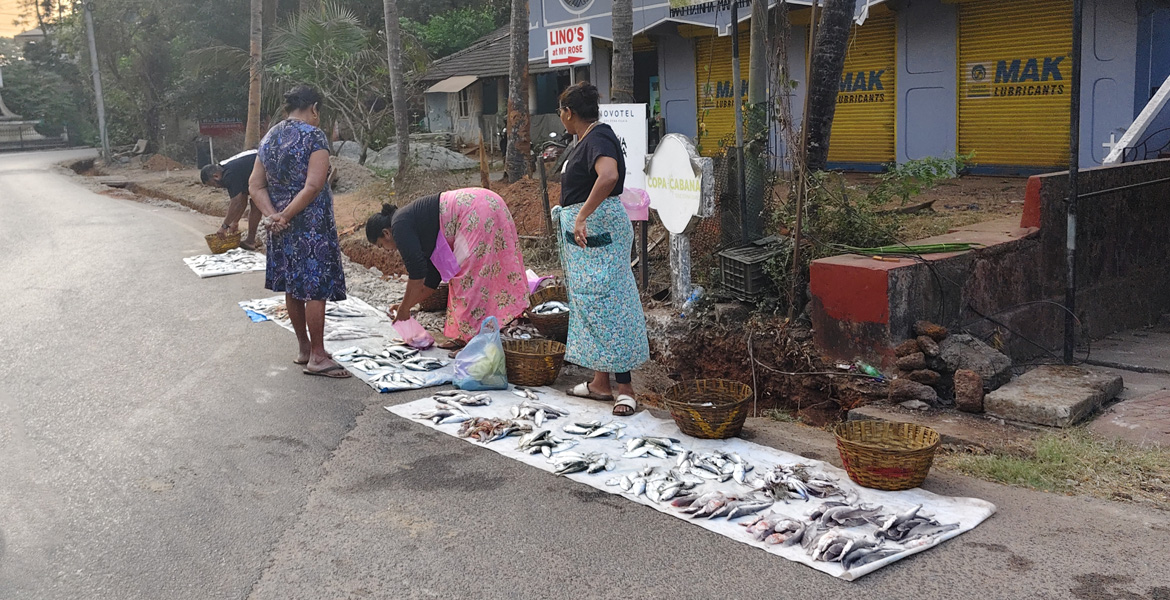
4. Coastal Village Outlets (Anjuna, Vagator, and Candolim)
- Timing: Early mornings, and most stalls wrap up by around 11:00 AM.
- Overview: Smaller roadside sheds and municipal counters serve neighbourhood residents, villa visitors, and small-scale eateries. The catches come in via localized canoe and gill-net fishers, so the supply feels more “close to the source” than in the bigger wholesale hubs.
Practical Etiquette and Insider Buying Strategies
Buying seafood in a traditional Goan market is sort of a mix between what traveller can see, what traveller can feel, and when traveller show up, plus a bit of local etiquette that everybody seems to know without saying it:
- Prioritize an Early Arrival: If traveller want the best fish, especially the more delicate types like pomfret, or even a big kingfish, traveller really should be there during the peak morning hours before the shelves start to thin out.
- Evaluate Freshness Indicators:
- Eyes: They should stay clear, bright, and slightly bulging, not cloudy or sunk in.
- Gills: Look for a vivid crimson, or a rich deep red shade.
- Touch: The flesh ought to be firm and springy; it should bounce back right away when traveller press it gently.
- Scent: Traveller wants that clean ocean-y marine smell; if it feels sour, or too strong and harsh then it’s usually been sitting a while.
- Embrace Polite Negotiation: Casual bargaining is normal in retail stalls, though if traveller are buying wholesale then the focus shifts more toward overall volume rates. Still, approaching vendors with respect and patience tends to keep things smooth for both sides, even if the price is “negotiated” a little.
- Utilize Cleaning Services: Many sellers will do scaling, gutting, and slicing either free or for a small extra fee if travellers ask. Having an insulated cooler bag also helps a lot so the seafood stays chilled while traveller carry it home.
Sustainability and Conservation Efforts
Over the last few decades, ecological mindfulness has quietly changed the local fishing rhythm. Seasonal fishing bans during the annual monsoon breeding season (most often June and July) let marine ecosystems recover on their own, rather than getting drained year after year. At the same time, local authorities and thoughtful shoppers are pushing for sustainable harvesting, so Goa’s priceless maritime traditions can keep going strong for generations, and not just for a season or two.